
 2 weeks ago
36
2 weeks ago
36
The war in Iran has done something that years of trade policy couldn’t: it gave China’s bloated petrochemical industry somewhere to send all that excess product.
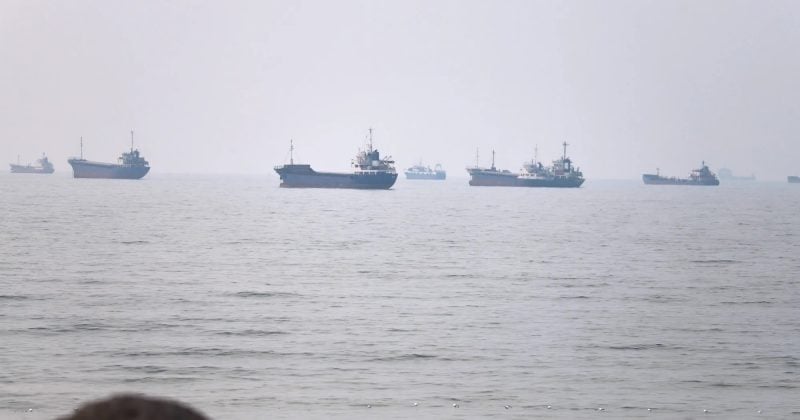
With the Strait of Hormuz effectively closed and Middle Eastern production disrupted, China is stepping into the vacuum, ramping up exports of the key building blocks for plastics, rubber, and textiles.
From glut to gold mine
The Iran conflict, which kicked off with significant US and Israeli military strikes in February 2026, upended that calculus almost overnight. The effective closure of the Strait of Hormuz disrupted an estimated $20-25 billion in annual petrochemical flows. Plastic and polymer prices surged to multi-year highs. And China, sitting on mountains of excess capacity, suddenly found itself holding exactly the inventory the world needed.
The strategic pivot has been selective, though. Beijing curtailed certain refined oil and fuel exports starting in March 2026 to manage domestic supply amid rising producer prices. So while China is happy to ship polypropylene and other petrochemicals abroad, it’s keeping fuel for itself.
Sanctions, supply chains, and the Hengli problem
Hengli Petrochemical, one of China’s major petrochemical players, was hit with US OFAC sanctions in April 2026 for its involvement in importing Iranian oil. China had previously sourced roughly 90% of its oil from Iran, making the sanctions a direct shot at the supply chain feeding Chinese refineries.
Regional naphtha shortages reported in June 2026 add another layer of complexity, as naphtha serves as a primary feedstock for many of the petrochemicals China is now exporting in greater volumes.
The Strait of Hormuz handles roughly one-fifth of the world’s petroleum supply on a normal day. Its closure has sent shockwaves through every energy-adjacent market, from crude oil to natural gas to the downstream chemical products that eventually become everything from car bumpers to hospital equipment.
What this means for crypto and commodity markets
Tokenized commodity platforms, which allow traders to gain exposure to physical goods like oil and petrochemicals through blockchain-based instruments, are particularly exposed. When polypropylene prices in China are spiking to multi-year highs, the digital assets pegged to or correlated with those commodities move in sympathy.
US enforcement actions against firms like Hengli Petrochemical are part of a broader tightening of financial infrastructure around sanctioned trade. Historically, this kind of pressure has pushed some actors toward crypto-based payment rails.
The regulatory risk here is bilateral. Chinese firms face OFAC action for Iranian oil dealings, while US policy around sanctioned commodities continues to evolve in real time. Any expansion of secondary sanctions to cover petrochemical exports, not just crude oil imports, could dramatically alter China’s current export strategy.
Traders positioning in commodity-linked tokens should be watching two things: the status of Strait of Hormuz shipping lanes, and any new rounds of US sanctions targeting Chinese petrochemical firms.
Disclosure: This article was edited by Editorial Team. For more information on how we create and review content, see our Editorial Policy.














 English (US) ·