
 1 month ago
31
1 month ago
31
On April 29, 2026, China suspended the issuance of new autonomous driving permits across the country. The freeze covers fleet expansions, new pilot programs, and city-level robotaxi operations, effectively putting the brakes on one of the world’s most aggressive pushes into driverless transportation.
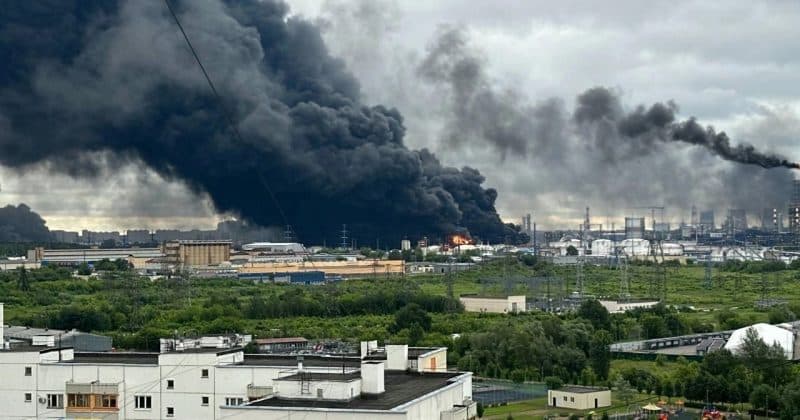
The trigger was a March 31 incident in Wuhan where more than 100 Baidu Apollo Go robotaxis malfunctioned simultaneously. A system failure tied to a cloud outage left passengers stranded for up to two hours and snarled traffic across the city. No injuries were reported, but the optics were brutal: a fleet of supposedly intelligent vehicles sitting paralyzed in the middle of the road while humans figured out what went wrong.
What actually happened in Wuhan
Think of it like every Uber in a city losing GPS at the exact same moment, except there’s no driver to pull over and wait it out. Baidu’s Apollo Go robotaxis rely on cloud-based systems to coordinate navigation and fleet management. When that connection dropped, the vehicles didn’t gracefully pull to the curb. They just stopped.
Over 100 cars froze in place, creating a cascading traffic mess that took hours to resolve. Passengers were stuck inside vehicles that couldn’t move and, in many cases, couldn’t communicate why.
The incident exposed a vulnerability that regulators had apparently been concerned about but hadn’t yet addressed: what happens when the brain of a driverless fleet goes offline all at once? Individual car malfunctions are one thing. A systemic failure affecting an entire fleet is a fundamentally different risk category.
Beijing moved quickly. Within a month, the nationwide suspension was in place, with regulators emphasizing the need for comprehensive safety reviews and robust emergency protocols before any new permits would be granted.
Job fears are real, but they’re not driving this decision
Here’s the thing about the job security angle: it’s legitimate context, but it’s not the main plot. China’s ride-hailing sector employs millions of drivers, and the expansion of robotaxi fleets has generated genuine anxiety about displacement. That tension has been simmering for years, particularly in cities like Wuhan where Apollo Go had been scaling rapidly.
But the suspension is primarily a safety response, not a labor policy maneuver. The Wuhan malfunction gave regulators a concrete, public, undeniable reason to hit pause. Job concerns provided political cover that made the decision easier, not the technical justification for it.
That distinction matters. A safety-driven pause can be lifted once technical standards are met. A jobs-driven pause would signal something much more structural, a government willing to sacrifice technological competitiveness to protect employment. China hasn’t made that trade. At least not yet.
Winners, losers, and the companies caught in between
Not every robotaxi company is in the same boat. Baidu, whose Apollo Go fleet was directly responsible for the incident, faces the most scrutiny. The company now has to demonstrate that its cloud infrastructure can handle failures gracefully, a standard that didn’t exist in formal regulation before the Wuhan mess made it obvious.
Pony.ai appears to be navigating the freeze with relative ease. The company confirmed it has completed its safety evaluations and continues to grow its fleet, with plans to expand to 3,500 vehicles by the end of 2026, up from over 1,700. Its CEO struck a confident tone, positioning the company as already meeting whatever standards regulators might impose.
WeRide, meanwhile, expanded its fleet to approximately 1,000 vehicles by late April 2026. The company has maintained momentum despite the regulatory pause, suggesting its operations weren’t flagged during the initial safety reviews.
The divergence is instructive. Companies with diversified technical architectures and strong safety track records are weathering this better than those dependent on centralized cloud systems. The incident is effectively sorting the field.
Look, the anticipated delay in deploying new robotaxis in China could stretch from several months to over a year. That’s a meaningful window in a technology race where the US, through companies like Waymo and Cruise, is pushing its own autonomous ambitions forward.
For investors, the suspension introduces real uncertainty. Baidu’s stock is likely to face pressure as the company works through safety remediation. Pony.ai and WeRide, both publicly traded, could benefit from a perception that they’re the safer bets in the space, but they’re not immune to broader regulatory risk. A nationwide freeze doesn’t discriminate neatly between companies that caused the problem and companies that didn’t.
The bigger risk is operational cost escalation. Meeting whatever new safety standards emerge from this review, redundant cloud systems, improved failover protocols, mandatory emergency response capabilities, will cost money. Smaller players without deep pockets could find themselves priced out of compliance.
There’s a potential upside buried in all of this, though. A stricter regulatory framework, once established, could actually accelerate public adoption. The Wuhan incident shook consumer confidence in a way that no amount of marketing can fix. But a government stamp of approval after rigorous safety reviews might restore it. Investors with longer time horizons should watch for the moment when the suspension lifts, because the companies that clear the new bar will be operating in a market with higher barriers to entry and, potentially, greater public trust than before the whole thing started.
Disclosure: This article was edited by Editorial Team. For more information on how we create and review content, see our Editorial Policy.










 English (US) ·