
 3 weeks ago
23
3 weeks ago
23
China Resources New Energy Holdings just pulled off something that hasn’t happened in China’s capital markets in nearly two decades. The renewable energy company opened subscriptions for a 24.5 billion yuan (roughly $3.6 billion) IPO on the Shenzhen Stock Exchange, making it the largest domestic listing in the country since 2009.
To put that number in perspective, the previous Shenzhen record was set by Yihai Kerry Arawana back in 2020 at 13.9 billion yuan. This deal nearly doubles it. And retail investors showed up in force, with strong demand from the start of subscriptions on June 22.
Inside the deal
The company is selling approximately 2.11 billion shares at 10.11 yuan each, listed under the ticker 001248.SZ on the Shenzhen main board. The deal also includes a 15% overallotment option, a feature typically reserved for offerings where underwriters anticipate demand will outstrip supply.
China Resources New Energy is a subsidiary of China Resources Power, one of the country’s largest state-backed power generation companies.
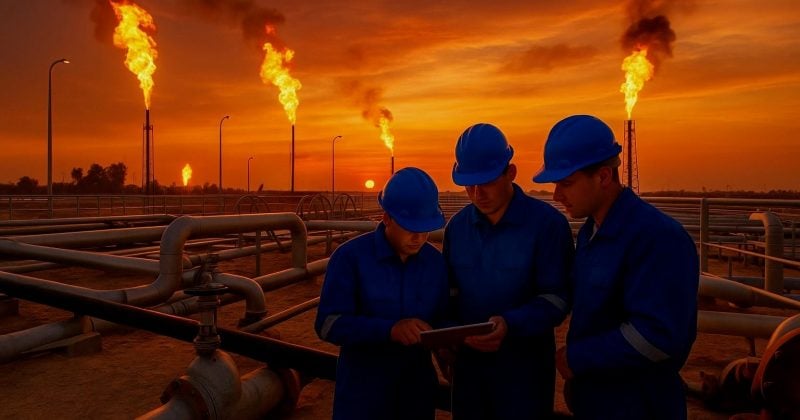
All of the proceeds are earmarked for wind, solar, and integrated energy projects. Not a single yuan is being directed toward thermal power or fossil fuels.
The company currently operates approximately 28,207 MW of wind and solar capacity spread across 30 provinces in China.
China Resources New Energy is the first red-chip firm to secure main-board listing approval on the Shenzhen Stock Exchange under the new regulatory system. Red-chip companies are those incorporated outside mainland China but with significant Chinese operations.
What investors should watch
The overallotment option is worth monitoring. If underwriters exercise the full 15%, total proceeds would push even higher. The decision to include that option suggests the bookbuilders were confident enough in demand to build in room for additional allocation.
The company’s geographic diversification across 30 provinces provides some insulation against regional policy shifts or grid curtailment issues, which have historically plagued Chinese wind and solar operators. Curtailment, where grid operators force renewable plants to reduce output because the grid can’t handle the supply, has been a persistent problem in China’s northern provinces.
Disclosure: This article was edited by Editorial Team. For more information on how we create and review content, see our Editorial Policy.














 English (US) ·