
 1 month ago
27
1 month ago
27
China, the planet’s biggest crude oil buyer, is on pace to import less oil in May than it has in any month over the past decade. Seaborne crude arrivals are tracking at roughly 6.5 to 7.5 million barrels per day, a sharp drop from April’s already weak 8.1 million b/d figure.
The numbers tell a grim story
April was already bad. China’s total crude imports that month came in at 9.3 million b/d, a 20% decline compared to the same period a year earlier. May is shaping up to be meaningfully worse, with some estimates pegging seaborne arrivals as low as 6.45 million b/d.
If that number holds, it would represent the lowest monthly import figure since 2016.
Refining throughput in April also took a hit, falling approximately 11% month-on-month to 54.65 million tons.
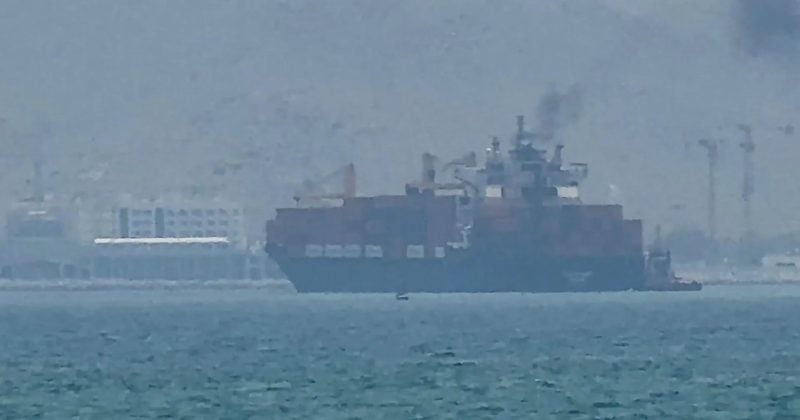
The core driver behind the pullback is rising tension in the Middle East. The ongoing Iran conflict and associated disruptions around the Strait of Hormuz, through which roughly a fifth of global oil supply flows, have made seaborne imports riskier and more expensive for Chinese buyers.
Rather than pay elevated premiums for waterborne cargoes navigating a conflict zone, Chinese refiners have made a pragmatic calculation: use the oil they’ve already got sitting in tanks onshore.
China is drinking from its own reserves
Refiners across the country are now actively drawing down record onshore inventory levels instead of placing new import orders.
The situation also reflects a broader recalibration within China’s energy sector. Elevated energy costs have pressured refining margins, and independent refiners, the so-called “teapots” that account for a significant share of China’s refining capacity, have been particularly aggressive in cutting throughput.
What this means for energy markets and investors
The paradox of the current moment is that crude prices have actually moderated despite genuine supply disruptions in the Middle East. China’s retreat from the import market has effectively absorbed the shock, creating a strange equilibrium where supply risk and demand destruction are canceling each other out.
There’s also a secondary effect worth monitoring: the impact on specific crude grades. Chinese refiners have historically been major buyers of Iranian, Russian, and Middle Eastern grades. A sustained pullback from China shifts the competitive dynamics among exporters, potentially forcing producers to redirect cargoes or cut prices to find alternative buyers.
Disclosure: This article was edited by Editorial Team. For more information on how we create and review content, see our Editorial Policy.













 English (US) ·