
 1 month ago
24
1 month ago
24
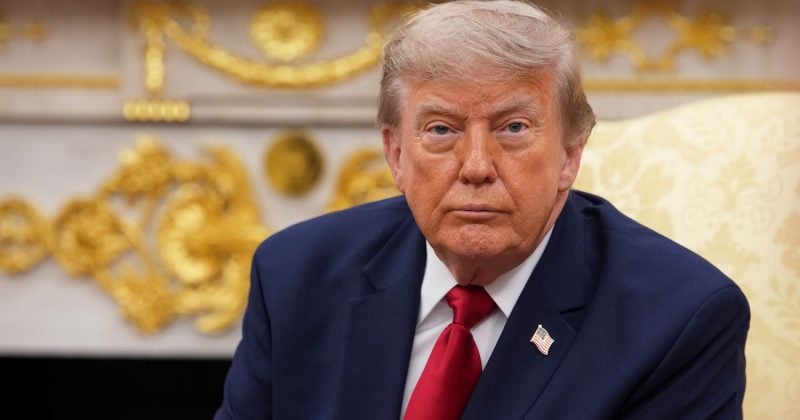
A federal court just pulled the plug on one of the most aggressive immigration fee hikes in recent memory. US District Judge Leo Sorokin ruled that the Trump administration’s $100,000 fee on new H-1B visa applications is unlawful, finding it exceeds presidential authority and amounts to an unauthorized tax.
The ruling, handed down on June 8-9, 2026, vacates a policy that stemmed from a presidential proclamation issued on September 19, 2025. For context, standard H-1B visa fees previously ranged from $2,000 to $5,000. The new fee represented a roughly 20x to 50x increase, depending on the baseline.
What the court actually said
Judge Sorokin’s decision rested on multiple legal grounds. The court found that the $100,000 fee violates the Immigration and Nationality Act, breaches the Administrative Procedure Act, and constitutes a tax that only Congress has the power to levy.
The lawsuit was brought by a coalition of 20 states, led by California Attorney General Rob Bonta.
Why a $100K visa fee matters for tech
The H-1B visa program is the primary pathway for skilled foreign workers entering the US tech sector. When the fee was $2,000 to $5,000, it was a manageable cost of doing business for companies hiring specialized talent. At $100,000 per application, the math changes dramatically. A company hiring 50 foreign engineers would face $5 million in visa fees alone, before salaries, benefits, or relocation costs even enter the picture.
With the fee now vacated, the visa application process continues without the added charge while the legal battle plays out.
The appeal and what comes next
The Trump administration has indicated it plans to appeal the ruling. The administration’s confidence isn’t unfounded: a previous federal court decision upheld a similar measure, giving the government a legal foothold to argue this case at the appellate level.
For employers, this means operating in a gray zone. The fee is gone for now, but it could return if an appeals court reverses Sorokin’s decision.
Disclosure: This article was edited by Editorial Team. For more information on how we create and review content, see our Editorial Policy.










 English (US) ·