
 1 month ago
18
1 month ago
18
For about 48 hours, crypto had something genuine to celebrate. The CLARITY Act, a landmark piece of stablecoin regulation, cleared the Senate Banking Committee on a 15-9 vote. Bitcoin rallied on the news. Then the macro environment showed up like a cold shower on a Monday morning and reminded everyone who’s actually in charge.
By Friday morning, BTC had slipped back near $79K, Ethereum fell below $2.3K, and Solana dropped under $90. The Fear and Greed Index sits at 43, firmly in “Fear” territory, up slightly from last week’s reading of 38 but hardly a vote of confidence.
Oil, inflation, and the rate cut mirage
Here’s the thing about regulatory wins: they matter in the long run. But in the short run, the bond market doesn’t care about stablecoin legislation. It cares about oil prices and what the Federal Reserve is going to do next.
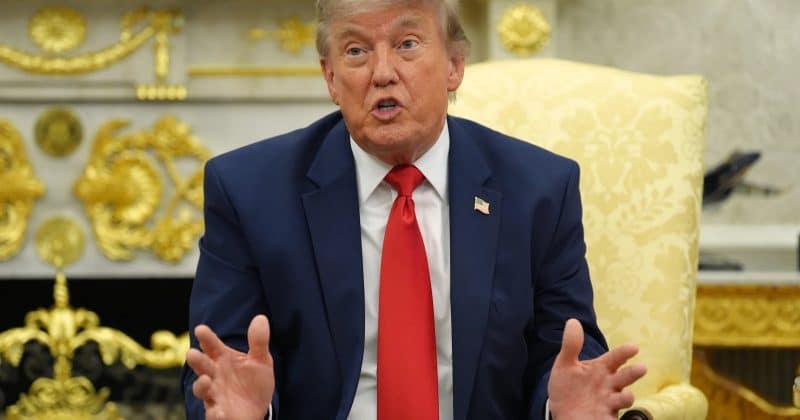
Trump’s hint at lifting sanctions on Chinese buyers of Iranian crude sent Brent crude above $105. That’s not just a number on a commodities screen. It’s a direct input into inflation expectations, which feed into interest rate projections, which determine how much risk appetite exists for assets like Bitcoin and Ethereum.
The chain reaction here is straightforward. Higher oil means higher transportation and manufacturing costs, which means stickier inflation, which means the Fed keeps rates elevated for longer. Markets are now pricing in rate hikes by March 2027, not cuts. Read that again. The consensus has flipped from expecting rate relief to expecting more tightening.
For crypto, this is about as unfriendly as macro conditions get. Risk assets thrive when money is cheap and plentiful. Rate hikes are the opposite of cheap and plentiful.
The scorecard isn’t pretty
Bitcoin dropped 2.3% over the past 24 hours and is down 0.6% on the week, according to CoinGecko data. That weekly number masks the whiplash: BTC rallied on the CLARITY Act news before giving it all back and then some.
Ethereum fared worse, shedding 3.2% in 24 hours. Solana took the hardest hit among the majors, falling 3.7% in the same window.
The best-performing category over the past seven days was DeFi, which managed a perfectly flat 0.0% return. When “didn’t lose money” counts as outperformance, you know the broader market mood is grim.
Look, these aren’t catastrophic drawdowns. Nobody’s calling this a crash. But the pattern is telling. Positive crypto-specific news (regulatory progress, institutional interest, on-chain growth) keeps getting steamrolled by macro forces that have nothing to do with blockchain technology.
The CLARITY Act still matters, just not today
The regulatory progress shouldn’t be dismissed entirely. The CLARITY Act clearing committee on a 15-9 vote represents bipartisan support for bringing stablecoins under a clear legal framework. That kind of regulatory certainty is exactly what institutional capital has been waiting for before making bigger allocations to crypto.
But institutional capital also looks at the broader risk environment before deploying. And right now, that environment is screaming caution. When Brent crude is above $105 and rate hike expectations are creeping back into the conversation, portfolio managers tend to pull risk off the table, not add it.
Think of it like buying a house with a great inspection report in a neighborhood where mortgage rates just jumped a full percentage point. The house is still good. The timing just isn’t cooperating.
The disconnect between crypto’s improving regulatory fundamentals and its deteriorating price action is the central tension in this market right now. On paper, the industry is in a better position than it’s been in years. In practice, none of that matters when global macro conditions are tightening.
What this means for investors
The shift from expected rate cuts to potential rate hikes by March 2027 is a structural change in the market narrative, not a blip. If this pricing holds, it resets the timeline for when risk assets might catch a tailwind from monetary policy. That’s a big deal for anyone positioned for a rate-cut-fueled rally in crypto.
The oil situation adds another layer of unpredictability. Geopolitical developments around sanctions and crude supply can move fast, and the inflationary impact ripples through every asset class. Crypto doesn’t exist in a vacuum, no matter how much maximalists wish it did.
The Fear and Greed Index moving from 38 to 43 shows sentiment has stabilized slightly but remains cautious. Historically, extended periods in the “Fear” zone have preceded both further selloffs and sharp reversals, so the indicator alone isn’t particularly useful as a directional signal right now.
What investors should watch is whether the CLARITY Act gains momentum toward a full Senate vote and whether oil prices stabilize or continue climbing. The former would provide a longer-term structural tailwind for crypto adoption. The latter will determine whether the macro headwinds get worse before they get better. Right now, the macro side is winning that tug of war convincingly.
Disclosure: This article was edited by Estefano Gomez. For more information on how we create and review content, see our Editorial Policy.











 English (US) ·