
 1 month ago
23
1 month ago
23
Dan Ives, Managing Director at Wedbush Securities, is projecting the Nasdaq Composite will hit 30,000 within a year. That would represent roughly a 14.3% jump from its recent close of 26,247.08, and it hinges on one core thesis: the AI spending wave is far from over.
The chip math that’s driving the bet
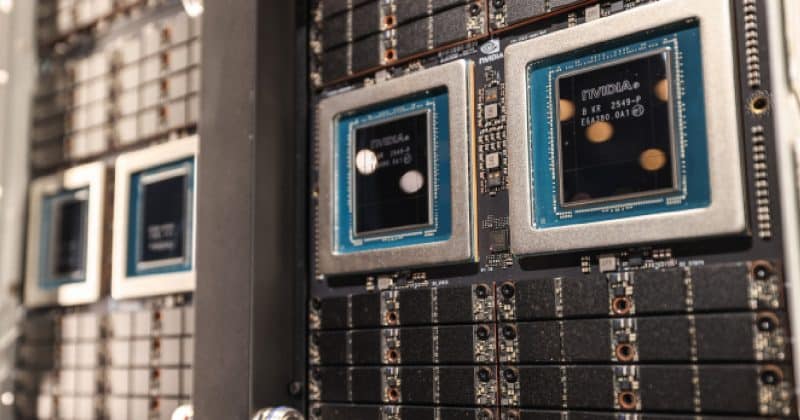
At the center of Ives’ argument is a supply-demand imbalance in semiconductors that he describes as 10-to-1. For every chip available to meet AI workload demands, there are roughly ten units of demand chasing it. That ratio, if accurate, suggests enterprise AI infrastructure spending isn’t peaking. It’s accelerating.
The Philadelphia Semiconductor Index has climbed 38% in the past month alone, which gives some weight to the thesis. The Nasdaq itself has risen 12.93% year-to-date and surged 26% since late March.
His reasoning boils down to capital expenditure cycles. When companies like Microsoft, Meta, and Alphabet publicly commit to spending tens of billions on AI infrastructure, the downstream effects ripple through chip designers, cloud providers, data center REITs, and enterprise software companies.
The Fourth Industrial Revolution framing
Ives has repeatedly described the current AI buildout as the beginning of a “Fourth Industrial Revolution.” Microsoft and Palantir have both posted strong tech earnings recently, with AI-related revenue segments growing faster than their legacy businesses.
Prominent investors appear to agree, at least directionally. Paul Tudor Jones, the billionaire hedge fund manager, has publicly supported the AI bull market narrative, pointing to tech earnings strength as validation that the trade still has legs.
Ives also points to approximately $7 trillion in sidelined capital as fuel that could flow into equities. His view is that anticipated Federal Reserve rate cuts would act as a catalyst, nudging that capital off the sidelines and into risk assets.
The dot-com ghost in the room
Not everyone is buying it. Michael Burry, the investor made famous by “The Big Short” for predicting the 2008 housing crisis, has raised concerns about potential dot-com bubble parallels.
Ives has directly countered this comparison by asserting the bull market has another 2-3 years of runway. His argument is that unlike the late 1990s, today’s AI spending is being driven by companies with massive cash flows, real products, and customers already paying for AI services. Microsoft’s Azure AI revenue isn’t theoretical. Palantir’s government and commercial AI contracts aren’t speculative pitch decks.
Disclosure: This article was edited by Editorial Team. For more information on how we create and review content, see our Editorial Policy.













 English (US) ·