
 1 month ago
24
1 month ago
24
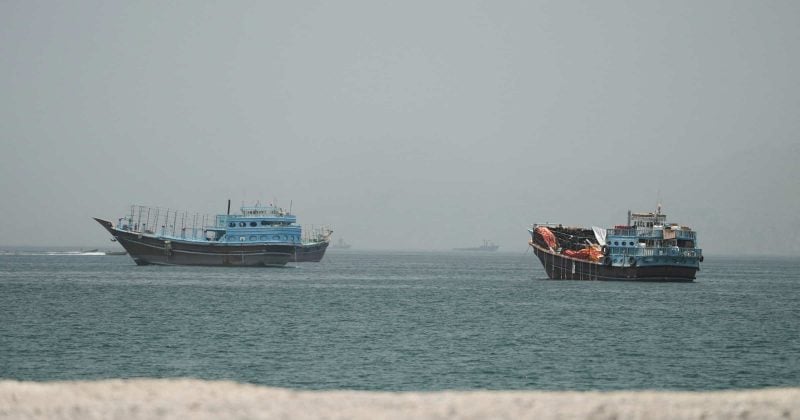
The narrow waterway between Iran and Oman handles roughly 20% of the world’s oil shipments. If it stays shut through late June, the US Energy Information Administration says crude prices could jump $20 per barrel above current forecasts.
That would put Brent crude somewhere in the $125-$130 range, a level not seen since the summer of 2022.
What the EIA is actually saying
The Strait of Hormuz has been effectively closed to most shipping traffic since late February due to military conflict in the region.
Under its base case scenario, the EIA projects Brent crude averaging $106 per barrel for May and June. Brent already averaged $117 per barrel in April, so the agency is essentially banking on some price relief as markets adjust.
If the closure drags on past late June, the math changes dramatically. Production shut-ins, which the EIA expects to peak at 9.1 million barrels per day in April, would remain elevated. Inventories in import-dependent economies would drain fast. And the $20 premium kicks in.
The agency’s longer-term outlook is more optimistic, forecasting Brent prices declining below $90 per barrel by late 2026 as production normalizes and stockpiles rebuild.
Why Hormuz matters more than almost any other chokepoint
Nearly one in every five barrels of oil traded worldwide passes through this 21-mile-wide channel.
The closure has created a cascading set of problems beyond just supply constraints. Traders are reacting to surging insurance costs for vessels attempting to navigate the region. Shipping reroutes are adding time and expense to deliveries.
Import-dependent economies, think Japan, South Korea, India, and much of Europe, are particularly exposed. When their primary supply route gets cut off, they’re forced to compete for alternative barrels at whatever price the market demands.
The 9.1 million barrels per day in shut-in production that the EIA projects for April is roughly equivalent to the entire daily oil output of Saudi Arabia being taken offline.
The inflation and policy ripple effects
Crude oil doesn’t exist in a vacuum. It’s the feedstock for gasoline, diesel, jet fuel, plastics, and thousands of other products. A sustained $20 per barrel increase in crude prices translates directly into higher costs at the pump, higher shipping expenses, and higher input costs for manufacturers.
The EIA’s indication of potential peaks near $115 in the second quarter of 2026 suggests that even in a scenario where conditions improve, oil markets could remain volatile for an extended period. Traders are already demonstrating extreme sensitivity to any news related to the strait, with price swings reflecting every rumor about diplomatic progress or military escalation.
Disclosure: This article was edited by Editorial Team. For more information on how we create and review content, see our Editorial Policy.











 English (US) ·