
 1 month ago
28
1 month ago
28
Key Takeaways
- The ongoing conflict in the Middle East is significantly impacting global oil logistics and prices.
- The US is poised to benefit from increased gas exports to Europe due to geopolitical tensions.
- China’s strategic petroleum reserve plays a crucial role in its oil import strategy.
- Iran is a significant supplier of crude oil to China, accounting for about 12% of its imports.
- Teapot refineries in China are major buyers of Iranian crude due to their risk tolerance.
- National oil companies avoid Iranian crude to maintain access to the US dollar financial system.
- Chinese teapot refineries gained the ability to import crude oil in 2015, diversifying supply sources.
- Teapot refineries capitalize on discounts from sanctioned countries, becoming key market players.
- China is likely to increase Russian oil imports to offset Middle Eastern supply losses.
- China’s oil stockpiles can sustain imports for 120 days at 2025 levels, enhancing energy security.
- The dynamics of China’s oil market are shaped by geopolitical events and regulatory changes.
- The strategic positioning of smaller refineries allows them to navigate international sanctions effectively.
- The US energy market is strategically positioned to capitalize on European energy needs.
- China’s preparedness with strategic reserves highlights its resilience against supply disruptions.
- The role of teapot refineries underscores the impact of regulatory shifts on market dynamics.
Guest intro
Erica Downs is a senior research scholar at the Center on Global Energy Policy at the Columbia University School of International and Public Affairs. She has a long background studying Chinese energy policy.
The impact of the Middle East conflict on global oil markets
-
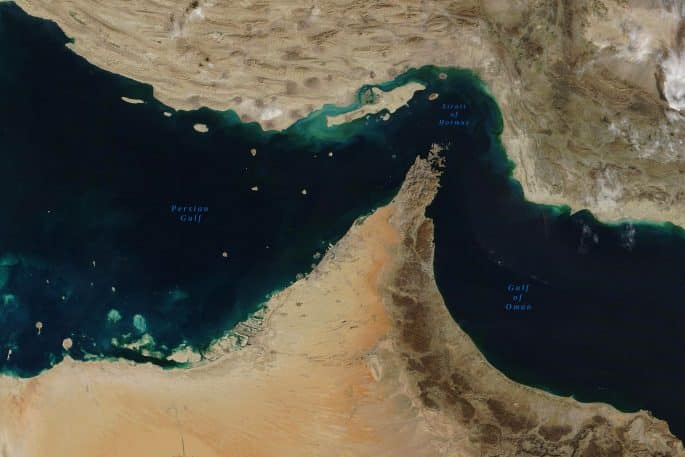
The ongoing war in the Middle East will have significant global ramifications, particularly affecting oil logistics and prices.
— Erica Downs
- The conflict has led to a massive surge in oil prices, affecting global markets.
-
We are in the midst of a war with Iran that started this past weekend and it’s been an extraordinary week in markets.
— Erica Downs
- The logistics of transporting oil and other commodities from the region are severely impacted.
-
The ramifications are just global for obvious reasons.
— Erica Downs
- Understanding the geopolitical context is crucial for grasping the market implications.
- The situation underscores the vulnerability of global oil supply chains to geopolitical events.
- The conflict highlights the interconnectedness of global energy markets and geopolitical stability.
- The impact on oil prices reflects broader concerns about energy security and supply disruptions.
US energy exports and European needs amid geopolitical tensions
-
The US is positioned to benefit from increased gas exports to Europe due to the ongoing conflict in Ukraine.
— Erica Downs
- The strategic advantage of the US in the current energy market is evident.
-
This could be very good also for our gas exports to Europe.
— Erica Downs
- The increase in US gas exports to Europe is a direct response to geopolitical tensions.
- European energy needs are driving demand for US energy exports.
- The US energy market is well-positioned to capitalize on these geopolitical dynamics.
- The situation highlights the importance of energy independence and diversification for Europe.
- The ongoing conflict underscores the strategic importance of energy exports in geopolitical contexts.
China’s strategic petroleum reserve and import strategy
-
China’s strategic petroleum reserve has been crucial for its oil import strategy.
— Erica Downs
- The reserve allows China to manage its energy needs during supply disruptions.
-
China has been putting a lot of oil into storage… have been building it up precisely to have in moments like the one that we are in now.
— Erica Downs
- The strategic reserve is a key component of China’s energy security strategy.
- The reserve’s role is crucial amid fluctuating global oil prices and supply uncertainties.
- China’s reliance on its strategic reserve highlights its preparedness for geopolitical disruptions.
- The reserve’s importance is underscored by China’s significant oil import needs.
- The strategic reserve provides China with leverage in global energy markets.
The role of Iran in China’s oil imports
-
Iran plays a significant role in China’s oil imports, accounting for about 12% of its crude oil imports.
— Erica Downs
- Iranian oil is a critical component of China’s overall import strategy.
-
Last year China imported 11,600,000 barrels per day… about 1,400,000 barrels per day came from Iran.
— Erica Downs
- The geopolitical relationship between China and Iran affects global oil dynamics.
- China’s reliance on Iranian oil underscores the complexity of its energy strategy.
- The significance of Iranian oil highlights the geopolitical risks in China’s import strategy.
- The relationship with Iran is part of China’s broader strategy to diversify its energy sources.
- The role of Iranian oil in China’s imports reflects broader geopolitical alignments.
The strategic positioning of teapot refineries in China
-
Teapot refineries in China are the main buyers of Iranian crude due to their risk tolerance and reliance on discounted prices.
— Erica Downs
- These smaller refineries capitalize on discounts from sanctioned countries.
-
The teapots are much smaller, less sophisticated, and they rely on the discounts they can receive on sanctioned crudes to boost their bottom lines.
— Erica Downs
- Their risk tolerance allows them to navigate international sanctions effectively.
-
Sanctions being sanctioned wouldn’t be catastrophic for them.
— Erica Downs
- The strategic positioning of teapot refineries highlights their role in China’s oil market.
- Their ability to import crude oil since 2015 has diversified their supply sources.
- The role of teapot refineries underscores the impact of regulatory shifts on market dynamics.
National oil companies and the US dollar financial system
-
National oil companies avoid buying Iranian crude due to their need to maintain access to the US dollar financial system.
— Erica Downs
- Maintaining access to the US dollar system is crucial for these companies.
-
They don’t wanna lose that access.
— Erica Downs
- The operational constraints faced by national oil companies are significant.
- Their strategies are shaped by the need to navigate international financial systems.
- The avoidance of Iranian crude reflects broader geopolitical and financial considerations.
- The role of national oil companies highlights the complexity of global oil trading.
- Their strategies underscore the interplay between geopolitics and financial systems.
The rise of teapot refineries as key market players
-
Chinese teapot refineries gained the ability to import crude oil in 2015, which allowed them to diversify their supply sources.
— Erica Downs
- This regulatory change significantly impacted the oil market dynamics in China.
-
The discounts that China’s teapot refineries receive on sanctioned barrels are certainly attractive enough to make them seek them out.
— Erica Downs
- Their ability to capitalize on discounts has made them key players in the market.
- The rise of teapot refineries reflects broader shifts in China’s energy policies.
- Their strategic advantage is evident in their ability to navigate geopolitical factors.
- The role of teapot refineries highlights the impact of market dynamics on energy strategies.
- Their importance in the market underscores the significance of regulatory changes.
China’s response to supply disruptions with increased Russian oil imports
-
China is likely to increase its imports of Russian oil to offset supply losses from the Middle East.
— Erica Downs
- This strategy reflects China’s adaptability in response to geopolitical changes.
-
This is actually a tough time for the teapots because last month the Trump’s removal of Venezuelan president Maduro from office.
— Erica Downs
- The geopolitical dynamics affecting oil imports are complex and multifaceted.
- China’s strategy highlights its need to diversify its energy sources.
- The increase in Russian oil imports underscores the importance of geopolitical alignments.
- China’s response to supply disruptions reflects its strategic priorities in energy security.
- The situation highlights the interconnectedness of global energy markets and geopolitical events.
The significance of China’s strategic and commercial oil stockpiles
-
China’s strategic and commercial oil stockpiles can sustain its imports for 120 days at the 2025 level.
— Erica Downs
- These stockpiles enhance China’s energy security and resilience.
-
The good news I guess for China as a whole is that they are sitting on substantial strategic and commercial oil stockpiles.
— Erica Downs
- The stockpiles provide a buffer against potential supply disruptions.
- Their significance is underscored by China’s substantial oil import needs.
- The stockpiles reflect China’s long-term strategic planning in energy security.
- Their role highlights the importance of preparedness in the face of geopolitical uncertainties.
- The stockpiles provide China with leverage in global energy markets.
Disclosure: This article was edited by Editorial Team. For more information on how we create and review content, see our Editorial Policy.













 English (US) ·