
 4 weeks ago
26
4 weeks ago
26
For more than three months, a closed Strait of Hormuz turned global energy markets into a pressure cooker. Now a preliminary US-Iran deal to reopen the waterway is letting the steam out, and the Federal Reserve is the biggest beneficiary of the exhale.
The memorandum of understanding announced on June 15 calls for reopening the Strait to commercial shipping toll-free and lifting the US naval blockade of Iranian ports. Oil prices dropped sharply on the news. And with them, the inflation expectations that had been building the case for another Fed rate hike.
What the deal actually covers
The framework agreement addresses the immediate crisis that erupted after US and Israeli strikes on Iran in late February, which prompted Tehran to close the Strait of Hormuz to commercial traffic starting March 4. That chokepoint handles roughly 20% of global oil supply.
Under the MoU, shipping through the Strait is expected to return to prewar levels within approximately 30 days. The agreement also extends a ceasefire for up to 60 days, though core nuclear negotiations remain deferred to a later stage.
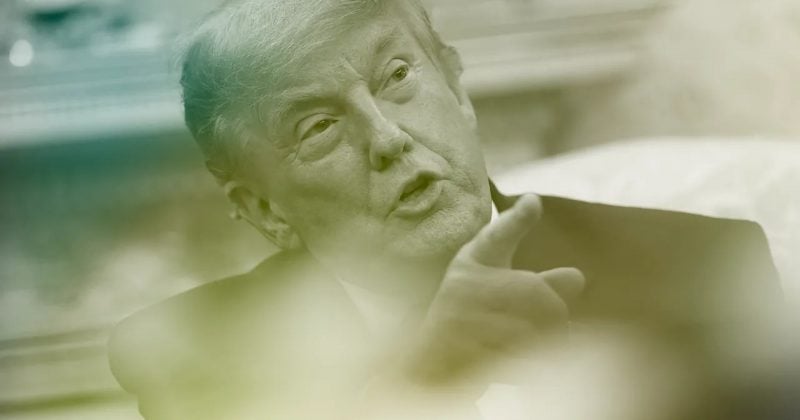
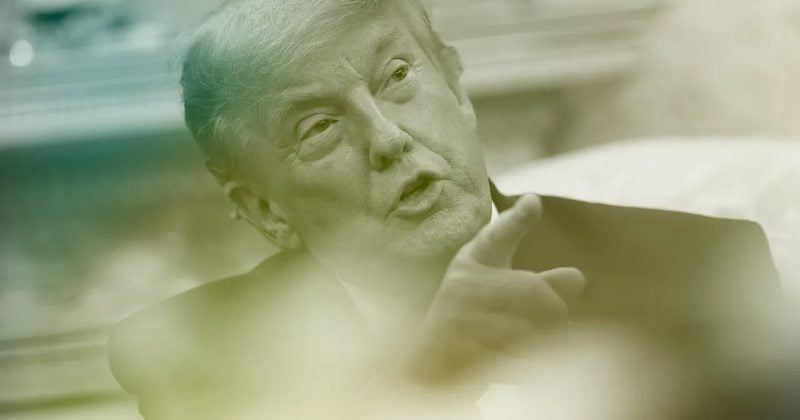
President Trump announced the deal on Truth Social, writing “Let the oil flow!” A formal signing is expected on June 19.
Why the Fed is breathing easier
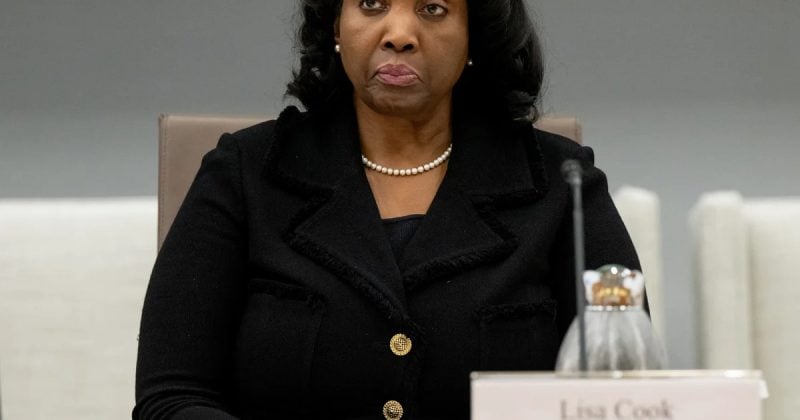
With oil prices now falling sharply on reopening expectations, market expectations for a Fed rate hike have pulled back, giving policymakers room to focus on underlying economic conditions rather than reacting to an external energy crisis.
The crypto angle
Crypto markets experienced their own volatility tied to the broader geopolitical drama. Iran had reportedly explored cryptocurrency-based tolls for ships passing through the Strait during the crisis period. That experiment, born out of sanctions-driven necessity, drew attention from US authorities. Washington sanctioned wallets associated with the arrangement, adding another layer of regulatory complexity to the digital asset space.
The 30-day timeline for shipping normalization gives markets a concrete benchmark to watch. If tanker traffic through the Strait recovers on schedule, oil prices should stabilize at lower levels. If the timeline slips, or if the June 19 formal signing hits a snag, everything currently priced as relief could quickly reverse into renewed anxiety.
Disclosure: This article was edited by Editorial Team. For more information on how we create and review content, see our Editorial Policy.












 English (US) ·