
 4 weeks ago
27
4 weeks ago
27
The Federal Reserve voted unanimously to keep interest rates parked at 3.50%-3.75% on Wednesday, marking the fourth consecutive meeting without a change.
The updated economic projections told a very different story than the one markets had been pricing in. The Fed’s preferred inflation gauge, the PCE index, saw its 2026 forecast jump from 2.7% to 3.6%.
A new chair, a new tone
This was Kevin Warsh’s first FOMC meeting as chair, having replaced Jerome Powell, who now serves as a governor on the board.
The post-meeting statement was noticeably trimmed down, with previous language hinting at a bias toward near-term rate cuts stripped out entirely.
The vote was 19-0. Among those 19 officials, 9 now project at least one rate hike before the year is out. Six of them expect two or more hikes. For a market that spent much of 2025 celebrating 75 basis points of cuts, this is a sharp reversal in mood.
What’s driving the inflation spike
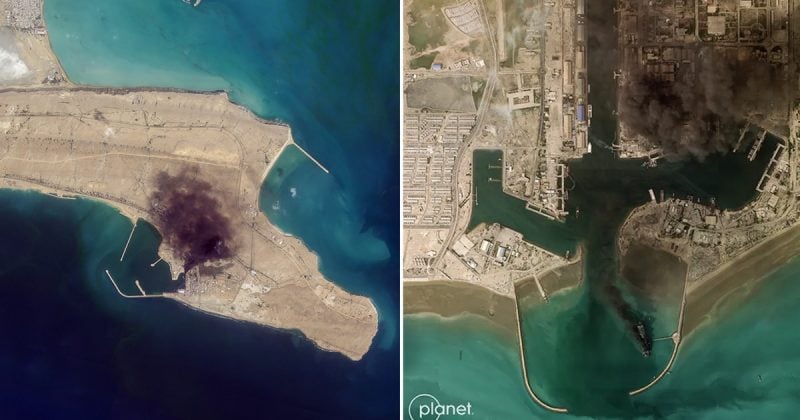
The culprit, at least according to the Fed’s own framing, is energy prices. Ongoing geopolitical tensions in the Middle East have kept oil elevated, and that pressure is bleeding into the broader inflation picture.
Economists broadly expect the federal funds rate to stay in its current range through 2026.
What this means for investors
The immediate market reaction told the story clearly. Stocks sold off as the prospect of higher borrowing costs weighed on equity valuations. Bonds repriced to reflect the possibility that the next move in rates could be up, not down. The dollar strengthened. Gold also saw movement as investors recalibrated their risk positioning.
The 75 basis points of cuts delivered in late 2025 had provided tailwinds for risk assets broadly. A reversal of that easing, or even just the credible threat of one, removes a key pillar of support.
Disclosure: This article was edited by Editorial Team. For more information on how we create and review content, see our Editorial Policy.












 English (US) ·