
 1 month ago
33
1 month ago
33
A 75-minute feature film is premiering at Tribeca next month. It dramatizes the Iranian government’s mass killing of protesters. It was made by two brothers who fled Iran in 2009. And the entire thing cost $2,000 to produce.
Dreams of Violets, created by the AI-focused studio Fountain 0, is set to screen on June 10, 2026, at the Tribeca Festival. It marks the first full-length live-action AI-generated film to be accepted at a major film festival.
Two brothers, three months, two thousand dollars
The film was created by Ash and Pooya Koosha, Iranian-born brothers who left their home country in 2009. Ash serves as CEO and director of Fountain 0, while Pooya co-founded the company and produced the film. Ash is based in London, Pooya in Menlo Park.
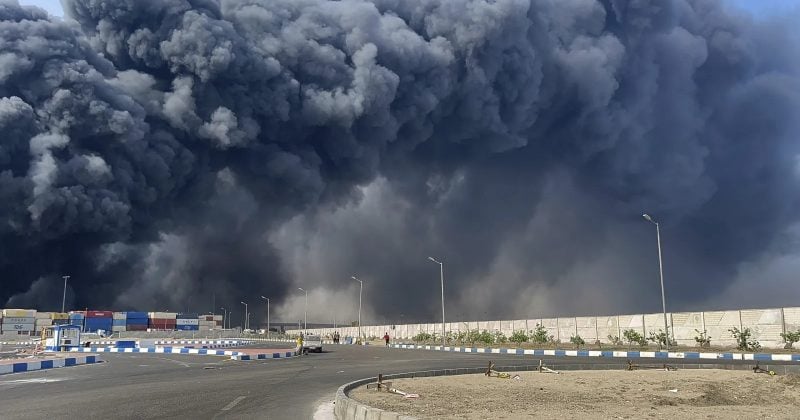
Dreams of Violets is described as a fictional dramatization of civilian resistance during the January 2026 Iranian protests and mass killings. It’s based on journalistic reports, photographs, and eyewitness accounts, with all people and images fully created by AI.
The production took roughly three months. The tool stack behind the film reads like a who’s who of the generative AI landscape: Kling AI handled video production, Anthropic’s Claude was used for language and editing tasks, and Google’s Gemini along with a tool called Nanobanana contributed research and imagery. Fountain 0’s own proprietary technology was used to improve blocking and frame accuracy throughout.
The economics of AI filmmaking
Tom Rogers, Fountain 0’s executive chairman, has framed the low-cost approach as a way to democratize high-quality filmmaking for independent creators.
Fountain 0 says its broader mission is to integrate traditional filmmaking principles with advanced AI technologies for creating films and TV series.
What this means for the AI and entertainment landscape
For independent filmmakers, particularly those in regions where traditional film infrastructure is limited or where political conditions make conventional production dangerous, the implications are significant. The Koosha brothers couldn’t exactly go back to Iran with a camera crew to document protest footage. AI gave them a way to tell the story anyway.
Disclosure: This article was edited by Editorial Team. For more information on how we create and review content, see our Editorial Policy.









 English (US) ·