
 1 month ago
24
1 month ago
24
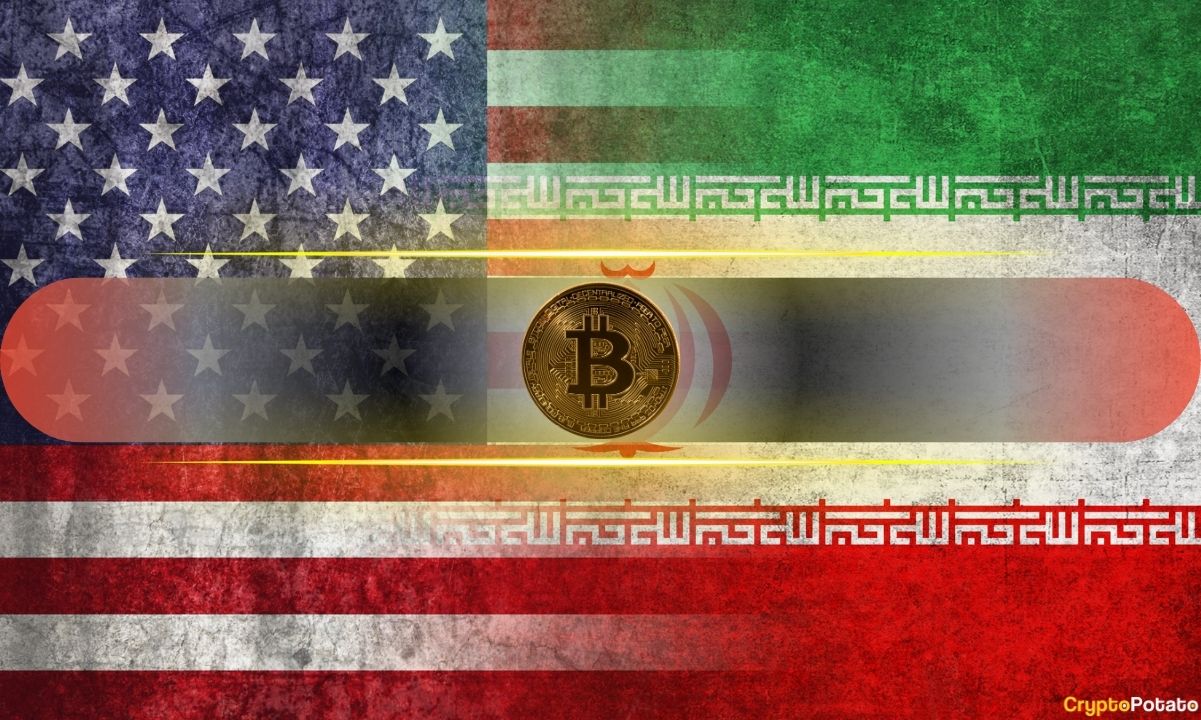
Here’s a sentence you don’t read every day: a potential military flashpoint in the Persian Gulf is somehow making markets go up.
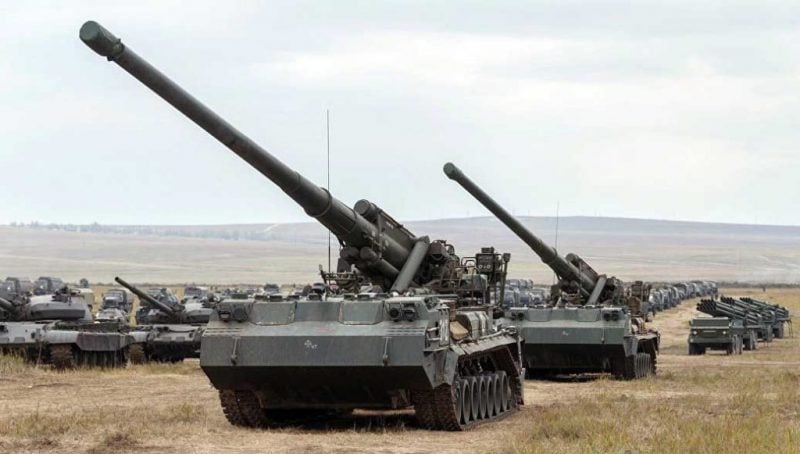
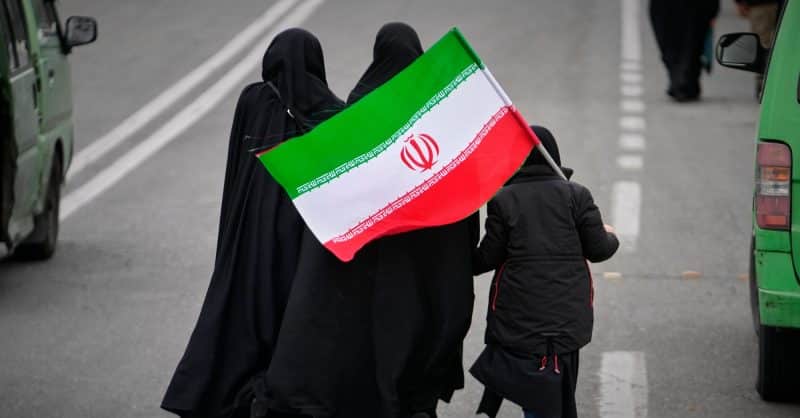
Iran claims it controls the Strait of Hormuz, the narrow chokepoint through which roughly 20% of the world’s oil passes daily. President Trump says he won’t discuss a ceasefire until it reopens. With a presidential address to the nation expected tonight, Wall Street and crypto markets alike are placing a very specific bet: that this is posturing, not prelude.
The numbers tell the story
The S&P 500 has climbed roughly 4% since Monday. The Nasdaq, heavy with tech names that tend to amplify broader market moves, jumped nearly 6% over the same stretch.
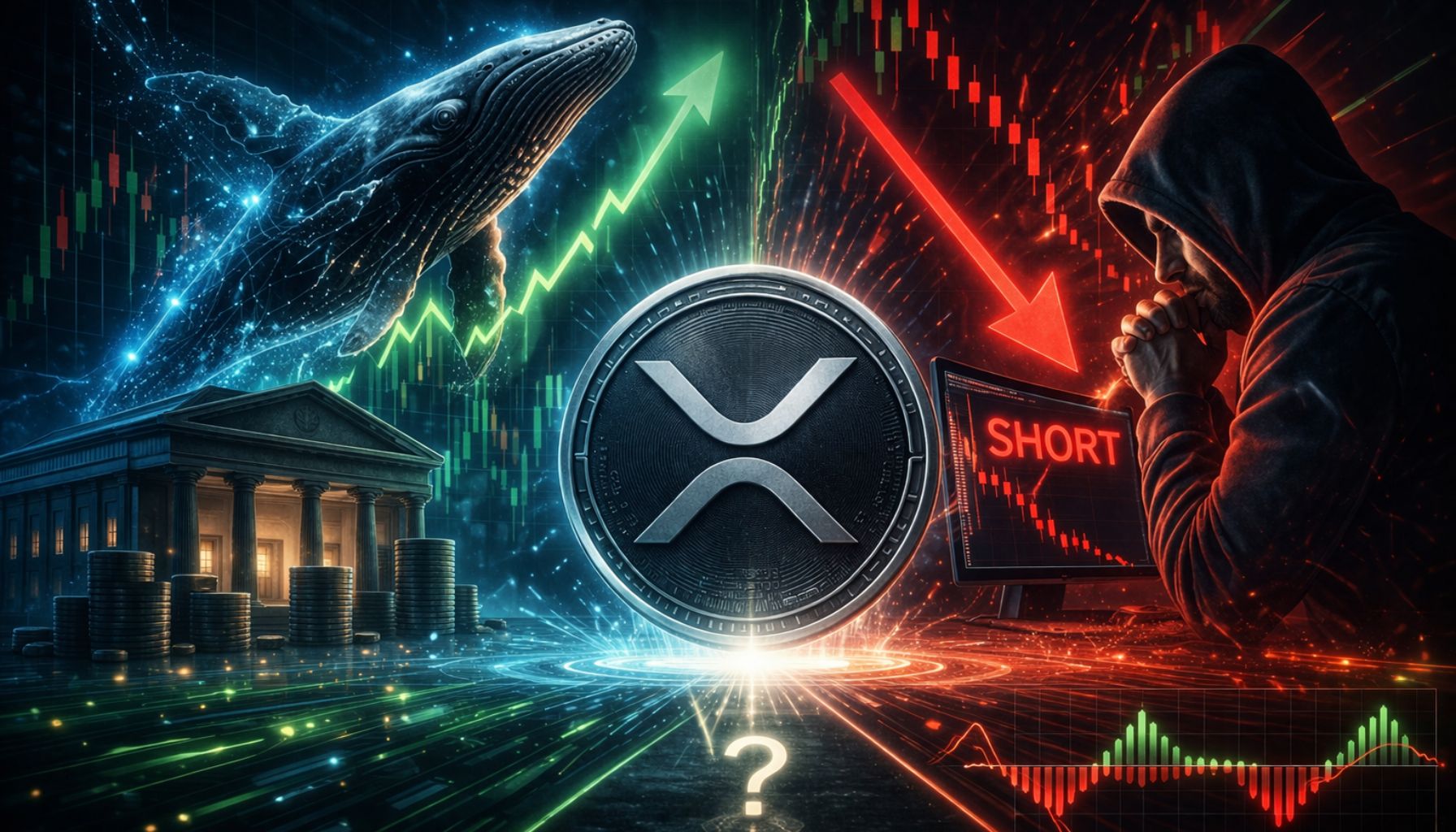
Crypto followed the playbook. Bitcoin pushed near $69K, up about 2.7% in the last 24 hours. Ethereum climbed toward $2,100, gaining 3.6%. Solana rose to around $84, adding 3.0%. XRP traded near $1.35.
Look, these aren’t small moves for a week that started with headlines about naval standoffs and oil supply disruptions. The market is reading this situation and concluding that the adults will find a way to the negotiating table. Whether that confidence is warranted is a different question entirely.
What makes this rally particularly notable is the backdrop. The Fear and Greed Index sits at 8, which Alternative.me classifies as “Extreme Fear.” Last week it was 14. Also Extreme Fear. In English: sentiment is in the basement, yet prices are climbing the stairs. That divergence is the kind of thing that either resolves with a sharp sentiment recovery or a painful price correction back down to match the mood.
Bitcoin’s weekly chart still shows a 4.1% decline, meaning this rally is really just clawing back recent losses rather than breaking new ground. Context matters. A 2.7% daily gain sounds impressive until you realize the asset was down nearly twice that over the preceding days.
Why Hormuz matters to your portfolio
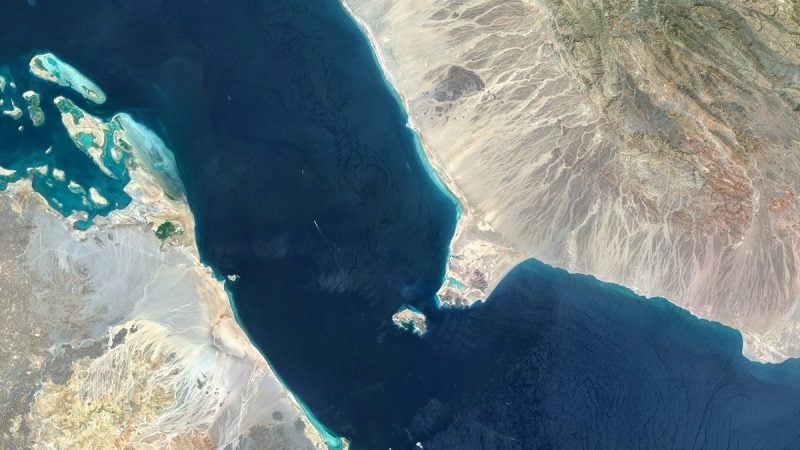
The Strait of Hormuz is essentially a 21-mile-wide bottleneck between Iran and Oman. About 17 million barrels of oil flow through it every single day. When someone threatens to close it, energy markets panic, and that panic cascades into everything else.
Iran has played this card before. During the 1980s “Tanker War,” both Iran and Iraq attacked commercial shipping in the Gulf. In 2019, Iran seized a British-flagged tanker. Each time, the threat alone was enough to spike oil prices and rattle global markets.
This time, though, the dynamic is different. Trump’s framing, that diplomatic talks are conditional on the strait staying open, creates a binary outcome that markets can actually price. Either Iran cooperates and talks begin, which is bullish. Or Iran escalates and the strait narrows or closes, which would send oil soaring and risk assets tumbling. Traders are betting heavily on door number one.
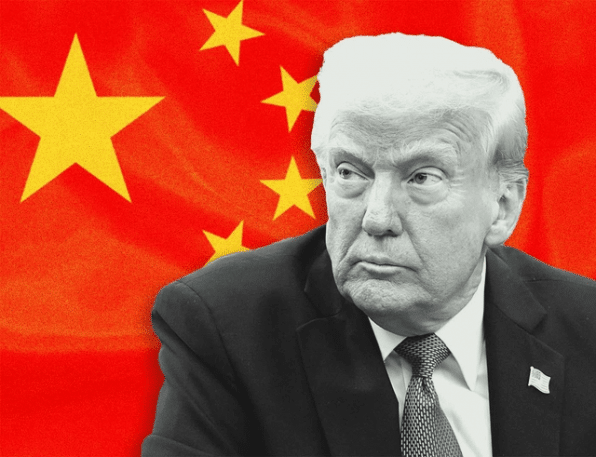
The presidential address tonight adds another variable. Markets historically react well to the mere promise of clarity, even before the actual content is known. The fact that Trump is addressing the nation suggests some form of resolution framework, or at least that’s the hopeful interpretation driving today’s bid.
What this means for crypto investors
Here’s the thing about crypto rallying alongside equities on geopolitical news: it completely undermines the “digital gold” narrative that Bitcoin maximalists love to tout. If Bitcoin were truly an uncorrelated safe haven, it would rally when stocks fall on war fears, not ride shotgun with the Nasdaq.
The correlation between Bitcoin and the S&P 500 has been stubbornly persistent throughout 2025. When risk is on, crypto goes up. When risk is off, crypto goes down, often harder. This week is just the latest confirmation.
One bright spot in the data: algorithmic stablecoins were the top-performing category over seven days, surging 39.9%. That’s a niche corner of the market, but it suggests capital is rotating into yield-generating strategies during the uncertainty. Investors who can’t stomach the volatility of majors are apparently parking funds where they can earn returns without directional exposure.
The extreme fear reading on the sentiment index deserves serious attention. Historically, readings below 10 have preceded significant rallies in crypto, simply because there’s almost no one left to sell. The March 2020 COVID crash bottomed with a Fear and Greed reading of 8. The June 2022 Terra/Luna aftermath saw similar levels before a multi-month relief rally.
That doesn’t mean a bottom is guaranteed here. The geopolitical situation is genuinely fluid, and a single inflammatory statement from Tehran or Washington could reverse the week’s gains in hours. The Strait of Hormuz isn’t a Fed meeting where outcomes can be modeled with reasonable probability. It’s a real-world conflict with real-world unpredictability.
Investors should also consider what happens after Trump’s address. If the speech delivers concrete steps toward de-escalation, the rally likely extends and fear gauges normalize. If it’s vague or aggressive, the market could give back everything it gained this week and then some. The asymmetry of outcomes here favors caution over conviction.
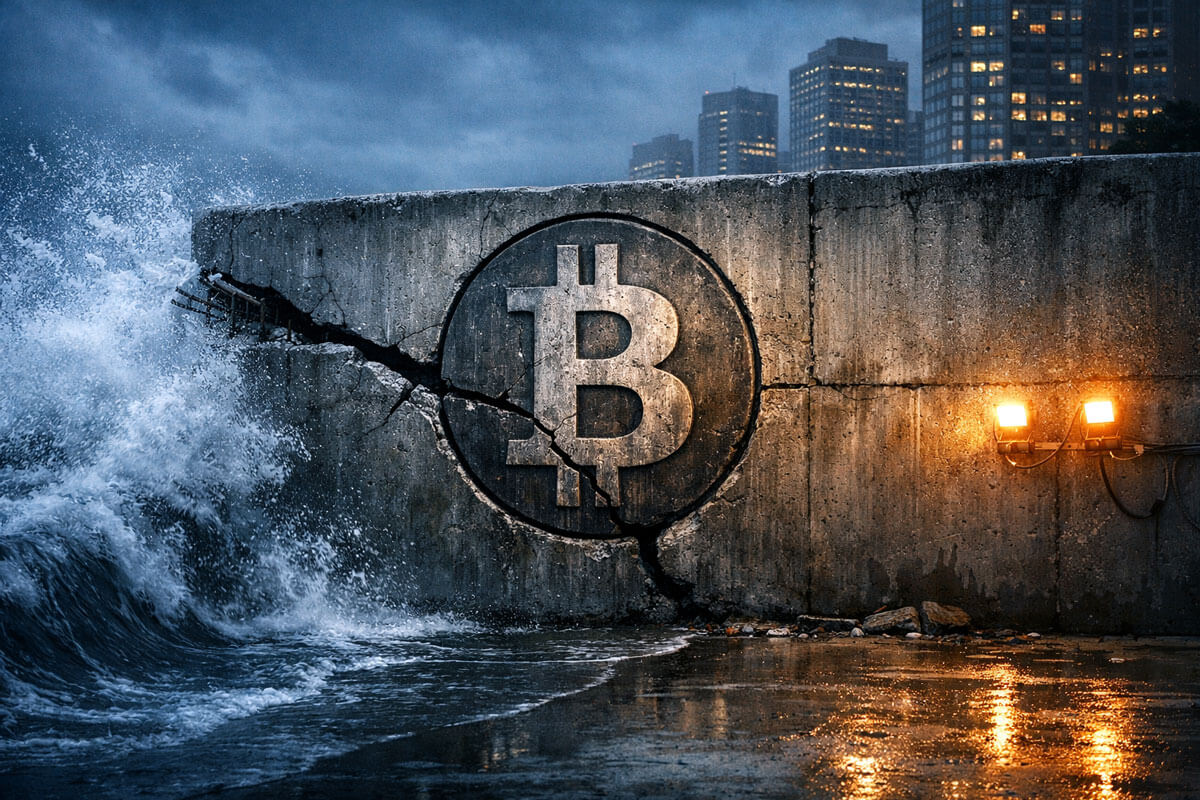
For those watching specific levels, Bitcoin’s $69K area has been a significant zone of interest going back to its 2021 cycle high. Reclaiming and holding above it would signal genuine strength. Failing there, as it has several times in recent months, would suggest the rally is just a short squeeze dressed up in geopolitical clothing.
Bottom line: Markets are pricing in a peaceful resolution to a standoff that hasn’t actually been resolved yet. That optimism has lifted everything from the S&P 500 to Solana. But with fear sentiment still at extreme levels and a presidential address that could go either way, this rally is built on hope rather than hard evidence. Hope is a fine trading thesis right up until it isn’t.
Disclosure: This article was edited by Estefano Gomez. For more information on how we create and review content, see our Editorial Policy.




 English (US) ·