
 1 month ago
26
1 month ago
26
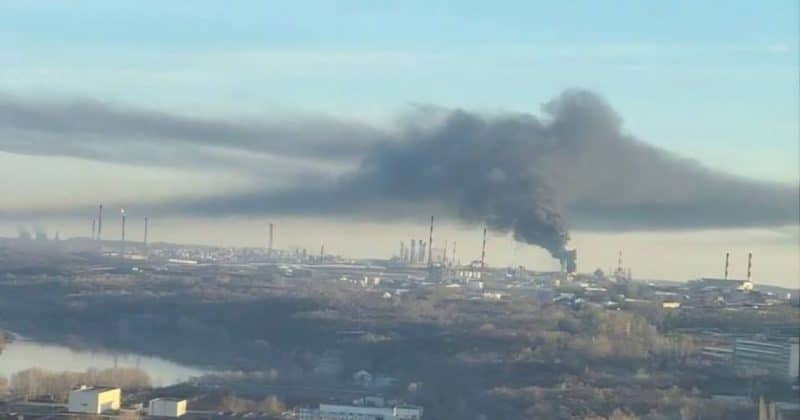
The world’s oil pantry is running dangerously low, and everyone is trying to restock at the same time. The Iran war has effectively shut down tanker traffic through the Strait of Hormuz, the narrow chokepoint that normally handles roughly a fifth of the world’s petroleum supply, and the consequences are rippling through every corner of the global economy.
The International Energy Agency reports that global oil inventories fell by 250 million barrels over March and April alone. That works out to roughly 4 million barrels per day vanishing from stockpiles.
A billion barrels and counting
More than 14 million barrels per day of oil production has been shut in since the conflict disrupted Gulf shipping lanes. Cumulative losses from Gulf producers now exceed 1 billion barrels.
The IEA has warned that price volatility could persist, particularly as peak summer fuel demand approaches.
Southeast Asia and Europe have been flagged as particularly vulnerable to fuel shortages and soaring import costs. Both regions depend heavily on seaborne crude and refined product deliveries, and both are now competing with every other import-dependent economy for a shrinking pool of available supply.
The scramble for alternatives
Non-Middle Eastern producers have responded by ramping up output as fast as drilling schedules and pipeline capacity allow. The IEA has revised its outlook for supply growth in the Americas upward by more than 600,000 barrels per day, projecting a total of 1.5 million barrels per day of new supply by 2026.
This mismatch between lost supply and replacement capacity is what’s driving the inventory race. Countries aren’t just buying oil for current consumption. They’re trying to rebuild strategic reserves and commercial stockpiles that have been drawn down to uncomfortable levels.
What this means for markets
The IEA’s warning about continued volatility heading into summer should be taken seriously. The 250 million barrel drawdown in just two months represents one of the fastest inventory declines on record, and the structural cause, a blocked Strait of Hormuz, has no clear resolution timeline.
Disclosure: This article was edited by Editorial Team. For more information on how we create and review content, see our Editorial Policy.













 English (US) ·