
 1 month ago
31
1 month ago
31
Gold is supposed to be the thing you buy when the world gets scary. Three consecutive days of price declines during an active military conflict between the US and Iran suggest the playbook might need updating.
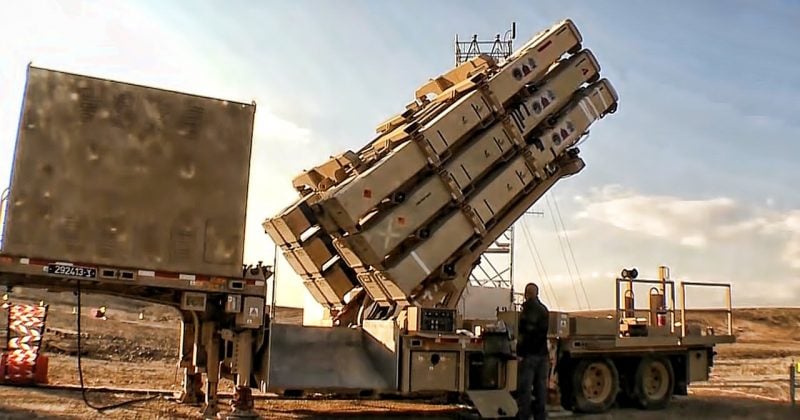
Spot gold fell as much as 1.7%, sliding into a range between $4,380 and $4,516 per ounce as US Central Command carried out strikes on Iranian missile and drone facilities. The catalyst for the military action was the downing of a US Apache helicopter, which prompted what the Pentagon characterized as self-defense strikes on Iranian missile launch sites.
Why gold is falling when it should be rising
The counterintuitive sell-off comes down to one familiar villain: the US dollar. A strengthening greenback has been working against gold, making the dollar-denominated commodity more expensive for international buyers. When the dollar flexes, gold tends to buckle, even when bombs are falling.
Meanwhile, Brent crude oil prices climbed above $96 per barrel during the same period. That’s the more traditional response to Middle Eastern military action, since oil supply disruptions are a tangible, immediate concern when missiles are flying near production infrastructure.
The broader conflict timeline
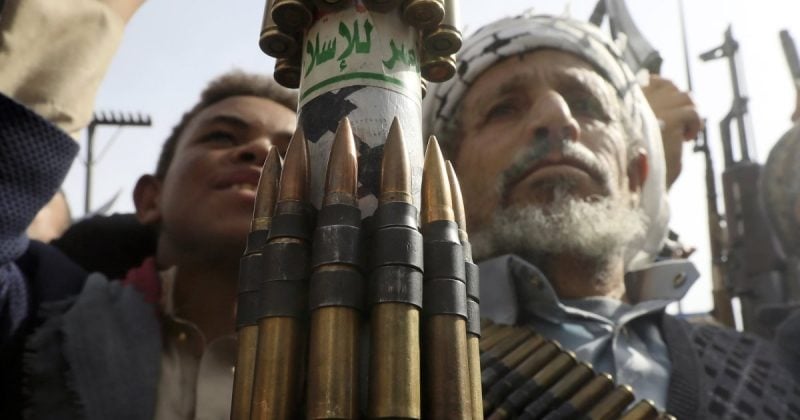
The current escalation didn’t materialize out of nowhere. The broader conflict traces back to US-Israeli airstrikes on February 28, 2026, which set off a chain of retaliatory attacks, unstable ceasefire negotiations, and periodic flare-ups that have kept markets on edge for months.
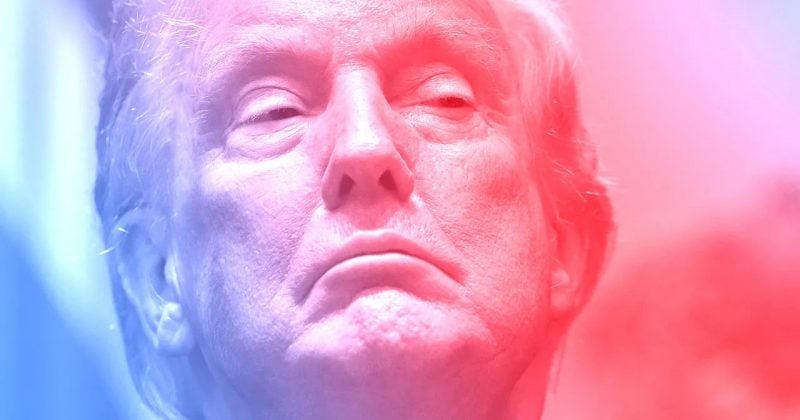
The latest round of US military strikes on Iranian missile launch sites spanned from May 26 to June 9, 2026. President Trump described the US response as “proportional” while emphasizing that diplomatic talks with Iran were still ongoing.
For gold investors, the uncertainty should theoretically be bullish. But the dollar’s strength has been acting as a gravity well, pulling gold prices down even as geopolitical risk rises.
Bitcoin feels the tremors too
Gold isn’t the only asset catching strays from the conflict. Bitcoin dipped below $73,000 as the risk-off sentiment spread across markets following the military strikes.
Bitcoin has shown some safe-haven buying during previous flare-ups in the Iran conflict, but the broader pattern looks more like a risk asset than a store of value during acute geopolitical stress. The fact that both gold and Bitcoin fell simultaneously during a military escalation is worth noting.
What this means for investors
Three consecutive days of gold declines during active military hostilities between two major nations is not normal. It signals that macro forces, particularly dollar strength, are currently more powerful than the fear premium that geopolitical risk usually injects into precious metals.
For gold holders, the key variable to watch isn’t the next missile strike. It’s the dollar index. If the greenback continues to strengthen on the back of higher energy prices and a flight to dollar-denominated assets, gold could face more pressure regardless of what happens on the ground in Iran.
Oil above $96 per barrel is also worth monitoring closely. Sustained energy price increases feed into inflation expectations, which eventually force central bank responses. If Brent crude stays elevated or pushes toward $100, the inflationary impulse could shift the calculus for gold back into bullish territory, since gold has historically performed well during inflationary periods even when the dollar is strong.
Disclosure: This article was edited by Editorial Team. For more information on how we create and review content, see our Editorial Policy.













 English (US) ·