
 3 weeks ago
18
3 weeks ago
18
The IMF and World Bank meetings in Washington have drawn attention to economic strain from rising oil prices, with direct consequences for gold price markets and central bank rate decisions. The market for gold hitting $8,000 by the end of June is seeing increased interest, while odds of the BoJ and ECB cutting interest rates in April 2026 are falling.
Market reaction
Gold’s safe-haven demand could increase as geopolitical tensions and high oil prices persist. The market predicting gold reaching $8,000 by June has 75 days until resolution and has yet to see significant movement. Traders are watching potential Federal Reserve rate cuts and central bank gold purchases. The Bank of Japan’s April rate decision leans toward no change, since inflationary pressure from oil prices makes a cut unlikely. Twelve days remain until the BoJ meeting, and odds remain uncertain.
The ECB’s April rate decision market shows minimal activity, with a 0.3% YES probability for a 50+ bps cut. Actual USDC volume is negligible, pointing to little faith in a significant rate decrease under current conditions.
Why it matters
The IMF’s warnings about lasting economic damage and stagflation risks hit debt-laden countries hardest. Gold’s safe-haven case could strengthen further: a YES share priced at 22¢ pays $1 if gold reaches $8,000, a 4.5x return. For central banks, high oil prices and geopolitical tensions reduce the probability of rate cuts, consistent with the IMF’s cautionary stance.
What to watch
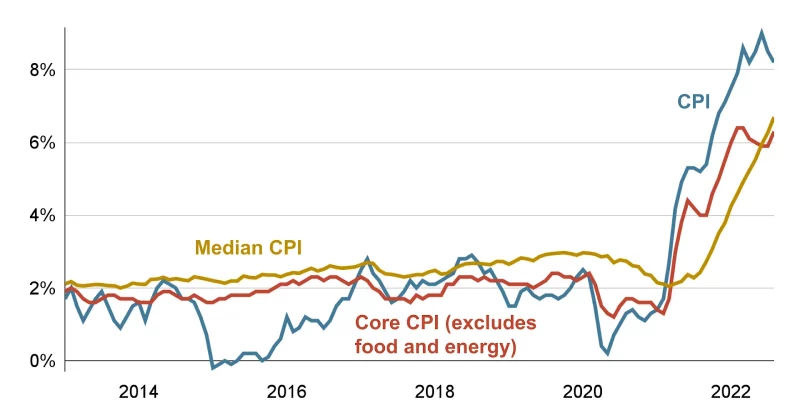
Announcements from Jerome Powell and Christine Lagarde, upcoming CPI prints, and geopolitical developments will all feed directly into these markets.
API access
Get prediction market intelligence as a structured API feed. Early access waitlist.










 English (US) ·