
 4 weeks ago
23
4 weeks ago
23
Former Iranian President Hassan Rouhani is making a public push for regional buy-in on the memorandum of understanding between Tehran and Washington, arguing that Iran’s neighbors stand to both guarantee and benefit from the agreement.
The MOU, digitally signed on June 15, 2026, represents the most significant diplomatic channel between Iran and the US in years. A formal signing is scheduled to take place in Geneva.
What the MOU actually says
The agreement covers three core commitments that, if honored, would meaningfully reshape the security architecture of the Middle East.
First, both sides have committed to ceasing military operations, with specific attention to Lebanon. Second, the two governments have agreed to initiate negotiations on a final deal within 60 days of the MOU signing. Third, the US naval blockade is set to be lifted within 30 days.
The 30-day timeline for lifting the naval blockade is even more immediate. It represents a tangible, verifiable concession from Washington that Iran can point to as evidence the agreement has teeth.
Rouhani’s regional lobbying effort
Rouhani’s call for neighboring countries to support the MOU is consistent with his long-standing diplomatic philosophy. During his presidency, he championed the 2015 nuclear deal and built his political brand around constructive engagement with the international community.
The domestic reaction in Iran has been predictably split. Social media has become a battleground between supporters who see the MOU as a path toward economic normalization and hardliners who view any agreement with Washington as capitulation. The skepticism from Iran’s right flank echoes the bitter debates that surrounded the 2015 nuclear deal, which hardliners never fully accepted and which ultimately collapsed after the US withdrew in 2018.
The Trump factor and what investors should watch
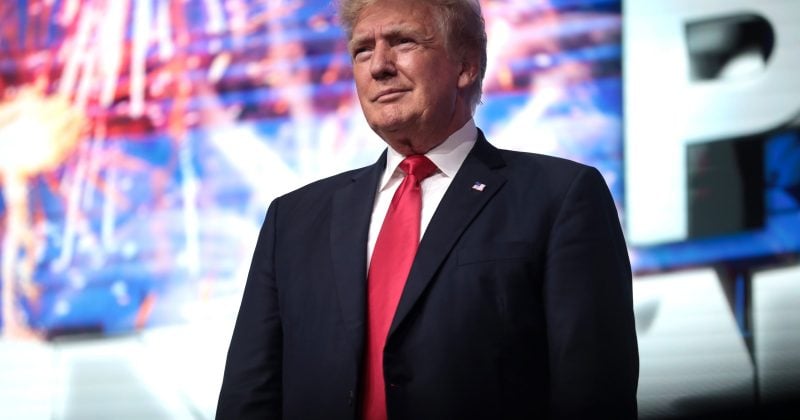
US President Donald Trump has signaled that the agreement comes with conditions. He has indicated the possibility of resuming pressure on Iran if Tehran fails to meet the terms of the MOU.
The 30-day blockade deadline and the 60-day negotiation window provide two concrete dates that will serve as market-moving checkpoints.
Rouhani’s regional lobbying adds another variable. If neighboring countries actively endorse and participate in guaranteeing the MOU, it becomes harder for either side to walk away without broader diplomatic consequences. If the regional response is lukewarm, the agreement remains a bilateral arrangement vulnerable to the political calculations of just two capitals.
Disclosure: This article was edited by Editorial Team. For more information on how we create and review content, see our Editorial Policy.







 English (US) ·