
 1 month ago
21
1 month ago
21
Yemen’s Iran-backed Houthi movement has declared its intent to block Israeli ships from navigating through the Red Sea, according to reports from the Jerusalem Post. This announcement is part of an ongoing maritime escalation involving the Houthis, who have claimed responsibility for recent attacks on Israel. The Bab al-Mandeb Strait, a critical maritime chokepoint linking the Red Sea to the Gulf of Aden, is likely to be affected, highlighting increased military threats and disruptions in the region. Previous Houthi actions in the area have already led to significant rerouting of commercial traffic and international military responses.
Key Takeaways
- The Houthi announcement appears consistent with increased likelihood of disruptions at the Bab al-Mandeb Strait, with market pricing suggesting a 25% increased probability of closure by June 30.
- Escalating tensions between the Houthis and Israel, with Iranian backing, may indicate a reduced chance of a permanent peace deal between Israel and Iran, reflected in a decrease to 3.5% YES in relevant markets.
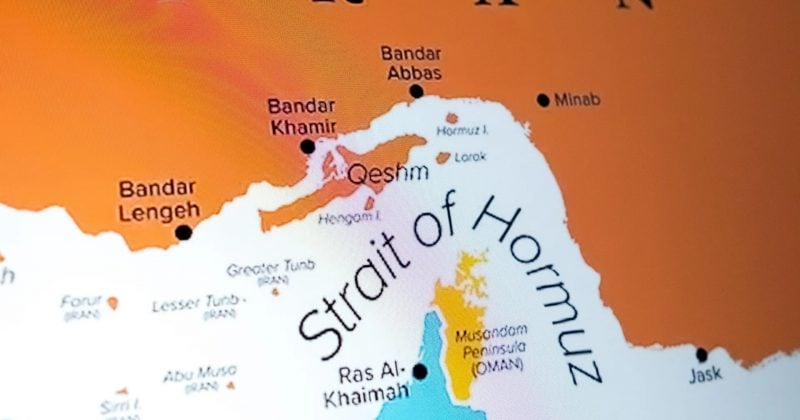
- The current geopolitical dynamics do not appear to directly impact the Strait of Hormuz traffic markets, with no significant change observed in market expectations for traffic normalization.
What to Watch
Observers should monitor any further declarations from the Houthi leadership or military actions in the Red Sea region, as these could impact the Bab el-Mandeb Strait’s accessibility. Key indicators include insurance company responses and U.S. Navy reports regarding the strait’s operational status. The development of diplomatic efforts, or lack thereof, between Israel and Iran could further influence market perceptions of long-term peace prospects.
Classifier accuracy: 33/154 (21%) correct on market direction (4hr window).
Get prediction market intelligence as a structured API feed. Early access waitlist.
Disclosure: This article was edited by Estefano Gomez. For more information on how we create and review content, see our Editorial Policy.















 English (US) ·