
 6 hours ago
1
6 hours ago
1
As 2026 begins, cryptocurrencies are entering a period of heightened sensitivity to macroeconomic policy. With institutional participation at record levels, assets such as Bitcoin, Ethereum, and XRP are responding more sharply to shifts in liquidity, inflation expectations, and global trade—particularly as President Donald Trump’s tariffs continue to reshape market sentiment.
Understanding Trump tariffs
Summary
- Trump’s tariffs in 2025 and potential expansions in 2026 have created uncertainty in global trade, impacting financial markets and contributing to volatility.
- Short-term crypto volatility is expected, with BTC, ETH, and XRP reacting to inflation concerns, interest rate expectations, and global trade tensions.
- While prices may face initial pressure, cryptos could gain long-term interest as alternative stores of value amid inflation fears and market instability.
In 2025, the Trump administration implemented a series of tariffs on imported goods, including metals, vehicles, and other key products, significantly altering U.S. trade policy and creating uncertainty in global supply chains.
These measures, which included increased duties on selected imports, elicited responses from trading partners and contributed to market volatility, affecting the prices of imported goods and financial assets.
Looking ahead, the continuation or expansion of these tariffs could intensify pressure on financial markets. Higher import costs and the risk of rising inflation may lead central banks to maintain tighter monetary conditions, creating uncertainty for risk assets.
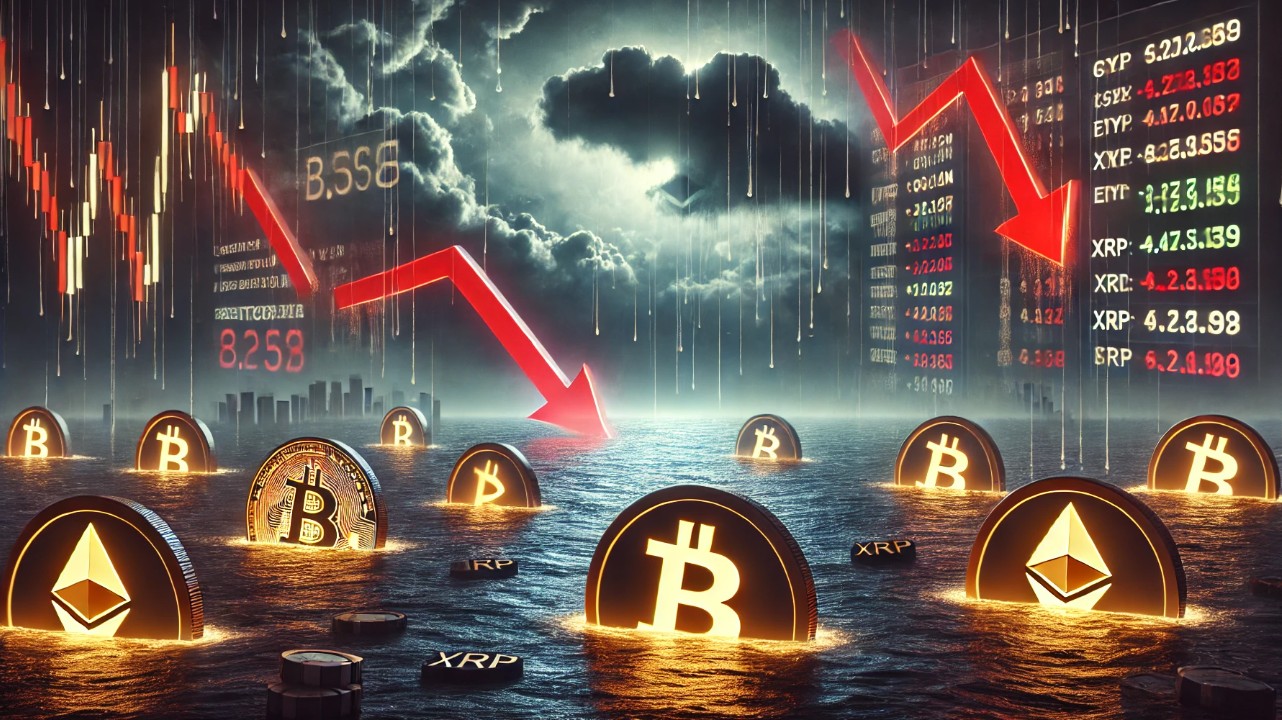
For cryptocurrencies, this environment could result in increased volatility: short-term price pressure as investors move away from risky assets, but potential long-term interest in Bitcoin, Ethereum, and other digital assets as alternative stores of value amid inflation fears or broader financial market instability.
What tariffs could mean for BTC, ETH, and XRP
Trump’s tariffs in 2026 are expected to create short-term uncertainty across financial markets, including cryptocurrencies. BTC, ETH, and XRP may all experience volatility as investors react to inflation concerns, interest rate expectations, and global trade tensions. While these assets could face initial pressure, some may benefit if inflation fears or currency instability drive investors toward alternative stores of value.
Bitcoin
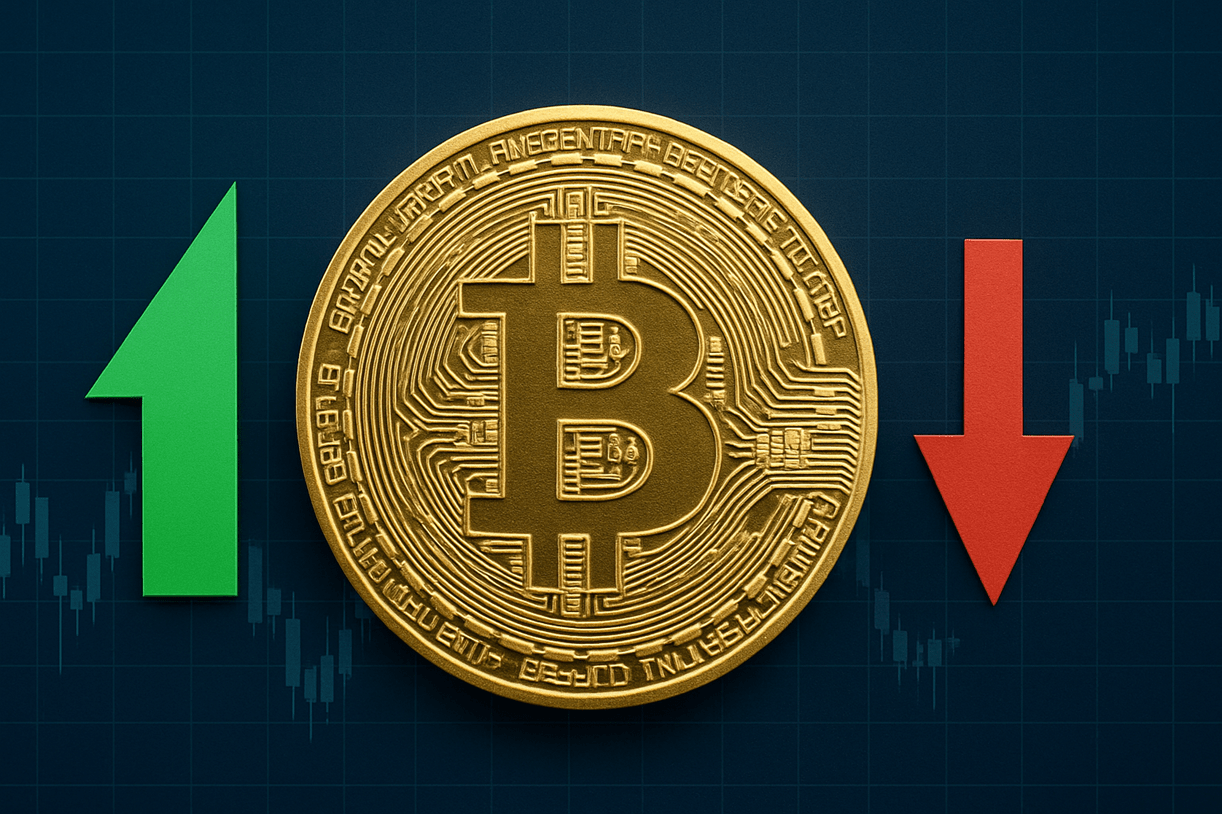
Bitcoin (BTC) is likely to move up and down as tariff news hits the market. When investors play it safe, Bitcoin often drops along with the stock market. On the flip side, worries about inflation could make it appealing again as a scarce, non-sovereign asset.
Ethereum
Ethereum (ETH) usually moves more sharply when liquidity shifts or investors get nervous. Higher interest rates could slow the flow of capital into DeFi projects and other ETH-based applications. Still, staking rewards and steady network growth might help keep prices supported.
XRP
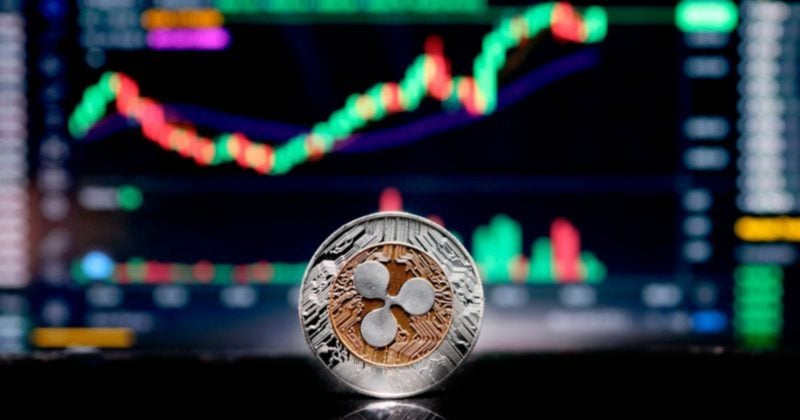
Ripple (XRP) may stand out thanks to its role in international payments, particularly if trade between countries becomes trickier. That said, any positive effects are likely to show up gradually.
Final thoughts
Trump’s 2026 tariffs might initially rattle the crypto market, especially if they trigger inflation concerns or delay interest rate cuts. While prices may dip in the short term, crypto’s overall role as an alternative financial system stays the same. Over the year, clearer trends should emerge as traders adjust to the new trade environment.












 English (US) ·