
 1 month ago
27
1 month ago
27
Hyperliquid traders located in Tokyo have a speed advantage over their counterparts in Europe and the U.S, new data shows.
A Timely Matter For Hyperliquid Traders
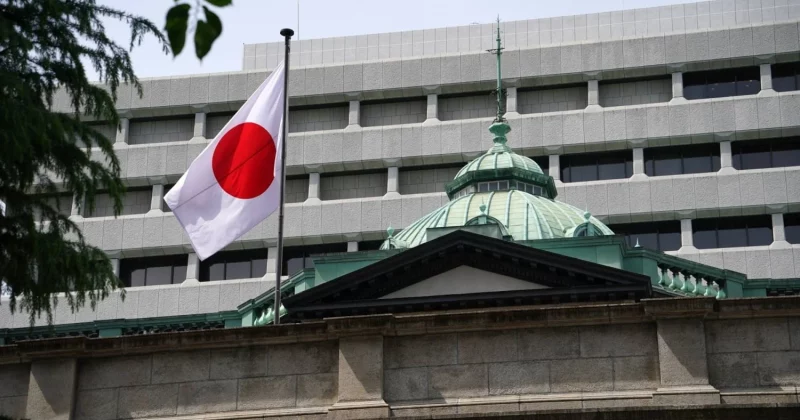
Even the fastest growing derivatives DEX in the world needs its servers to be geographically located somewhere: in Hyperliquid’s case, it’s Amazon’s data centers in Tokyo. Latency probes and validator data from Glassnode show Hyperliquid’s 24 validators are clustered in AWS Tokyo. Spread across several availability zones inside Amazon Web Services’ ap‑northeast‑1 (Tokyo) region, the system’s API traffic is fronted by AWS CloudFront, but the validators themselves are all concentrated in a single Japanese cloud region.

Therefore, it’s not hard to understand why Tokyo‑based traders have a roughly 200 milliseconds advantage versus Europe and North America when hitting the matching engine. The raw network latency from Tokyo is only of 2–3 milliseconds. For an exchange processing more than $4 billion in daily perpetuals volume, that time gap compounds into real execution and P&L differences.
Median order‑to‑fill times are around 884 milliseconds from Tokyo versus roughly 1,079 milliseconds from Ashburn, Virginia. Most of the delay is server‑side processing, but in a time‑priority order book (the first orders to arrive get filled first at the best prices), geography still decides who gets to the front of the queue, tighter spreads, and better fill probability.

The traders closest to the servers can grab the best bids and asks before farther located traders can even reach the exchange. Over many trades, that tiny time edge can turn into better average prices and more profit for the fast traders, and worse prices for everyone else.
The Tokyo Dilemma
It is worth noting that Hyperliquid is not the only exchange concentrating its fundamental infrastructure in AWS Tokyo: this is also the case for major CEX’s such as Binance and KuCoin.
BitMEX migrated its data infrastructure from AWS Dublin to Tokyo in August 2025. As a result, the exchange saw liquidity (depth, tighter spreads, order‑book size) jump by roughly 180–400 percent only one month after the move.
AWS Tokyo is a long‑running, well‑invested region with multiple availability zones, high bandwidth and lots of enterprise support, so exchanges locating its servers on it benefit of scaling quickly without running their own data centers. A huge share of crypto volume now runs through Asia trading hours, and putting matching engines in Tokyo means many of their most active users get very low latency.
This strategy, however, concentrates technical risk. When AWS Tokyo hiccups, as it has happened in the past, multiple “independent” exchanges feel it at once.
For traders, a cross‑venue arbitrage strategy seems to be a sensible decision. With Hyperliquid’s engine sitting in AWS Tokyo while many centralized exchanges also anchor core infra in the same region, spreads between Hyperliquid and major CEXs can open and close faster during Asia trading hours, rewarding desks that monitor and hedge across both stacks in real time.

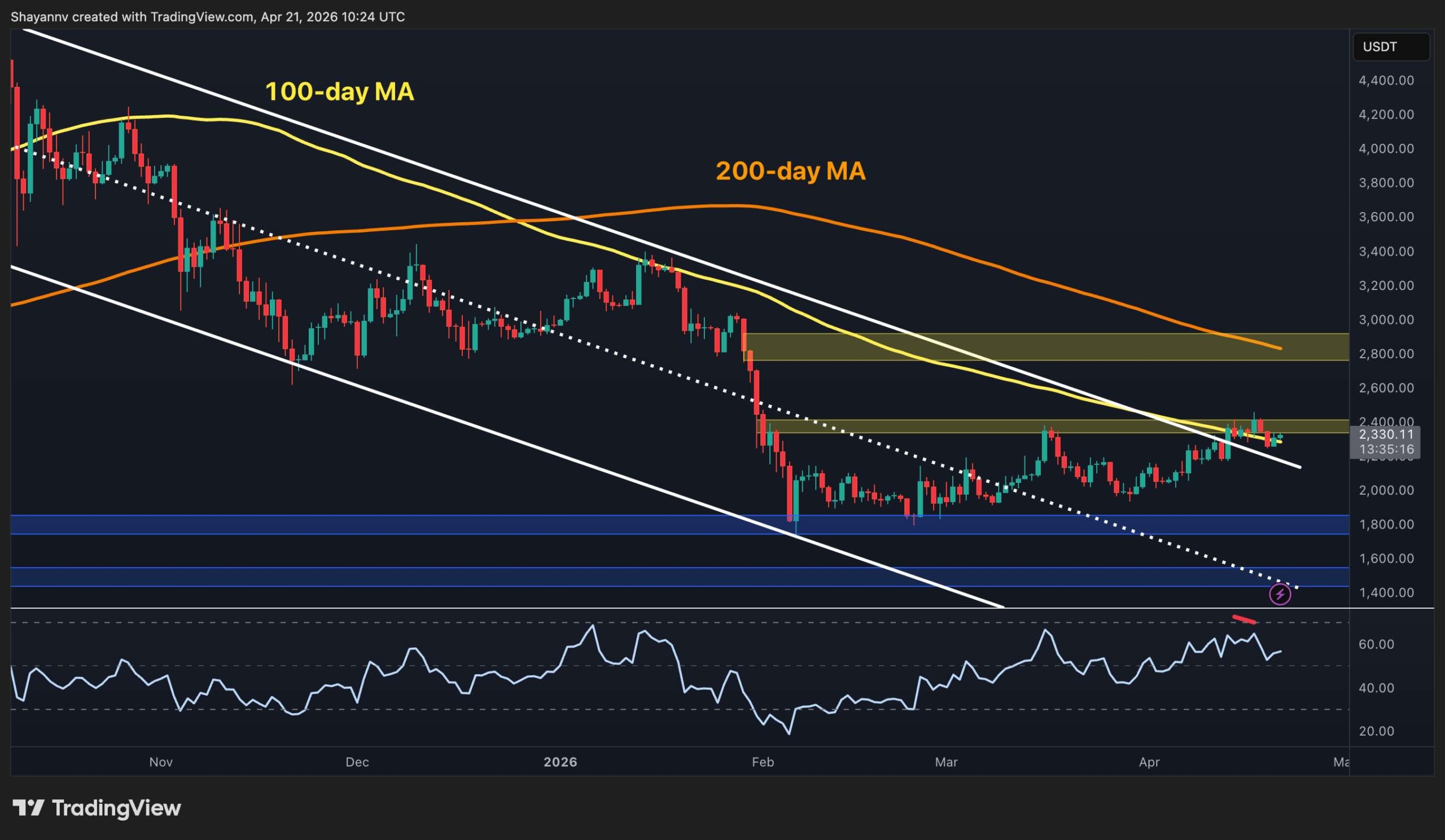
Cover image from Perplexity, HYPEUSDT chart from Tradingview








 English (US) ·