
 1 month ago
27
1 month ago
27
Wall Street is booking flights to Caracas. JPMorgan Chase and Jefferies Financial Group have started organizing investor trips to Venezuela’s capital, marking the first significant US bank engagement with the country since sanctions began easing. The trips are designed for institutional clients sniffing around what could be one of the decade’s biggest emerging market plays.
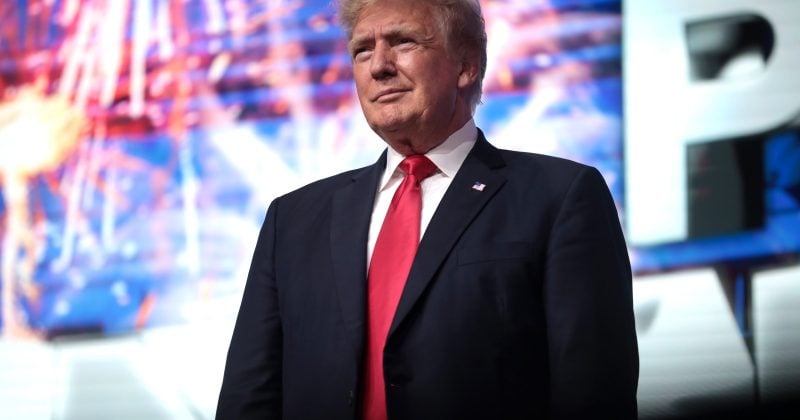
The catalyst: President Donald Trump’s push to attract at least $100 billion in private investment to rebuild Venezuela’s shattered oil infrastructure. Trump met with oil executives in January 2026 to pitch the vision. JPMorgan and Jefferies began organizing the Caracas trips in June 2026.
The gap between Wall Street enthusiasm and oil patch reality
Venezuela sits on more proven reserves than any other nation on Earth, and yet production has collapsed to under 1 million barrels per day. Industry estimates suggest roughly $10 billion per year over the next decade would be needed to get production back to pre-crisis levels.
But the companies with the actual expertise and equipment to do this work are not rushing in. ExxonMobil CEO Darren Woods has been blunt, calling Venezuela “uninvestable” under current conditions. ConocoPhillips has voiced similar skepticism, pointing to legal, commercial, and political risks tied to PdVSA.
Hedge funds smell opportunity in the wreckage
Elliott Investment Management, the hedge fund run by billionaire Paul Singer, is actively pursuing Venezuelan assets. That includes a bid for Citgo, the US-based refining arm of PdVSA that has been the subject of creditor battles for years.
Elliott’s involvement signals that the distressed debt and asset recovery angle may be where the real early action happens. The political shift following the ousting of Nicolas Maduro in January 2026 gave them the opening they were waiting for.
What reforms would actually change the calculus
Woods indicated that comprehensive reforms could shift ExxonMobil’s assessment. The list of things Venezuela would need to fix includes PdVSA’s governance structure, legal frameworks for foreign operators, property rights protections, dispute resolution mechanisms, and reliable institutions that enforce contracts.
What this means for investors
The Venezuelan oil play is shaping up as a two-speed market. Fast money from hedge funds and distressed debt specialists is already deploying. Slow money from major oil companies remains on the sidelines.
The risk side is significant. Venezuela has burned foreign investors before. Billions in arbitration claims from prior nationalizations remain unresolved. PdVSA’s debt restructuring is far from complete. The bankers are booking trips. The drillers are still reading the fine print.
Disclosure: This article was edited by Editorial Team. For more information on how we create and review content, see our Editorial Policy.








 English (US) ·