
 3 weeks ago
25
3 weeks ago
25
The US and Iran signed a preliminary memorandum of understanding on June 15, 2026, setting off a 60-day clock on one of the most consequential diplomatic agreements in recent memory. Iran has committed to long-term nuclear inspections supervised by the International Atomic Energy Agency, agreed to the destruction of its highly enriched uranium stockpile, and watched the US lift its threat of a naval blockade on the Strait of Hormuz. In exchange, Washington is preparing a conditional sanctions waiver covering Iranian oil exports.
The numbers behind the deal are significant. Full compliance could unlock between $24 billion and $25 billion in sanctions relief and asset releases, money currently sitting frozen or heavily restricted by US Treasury controls.
What the deal actually says
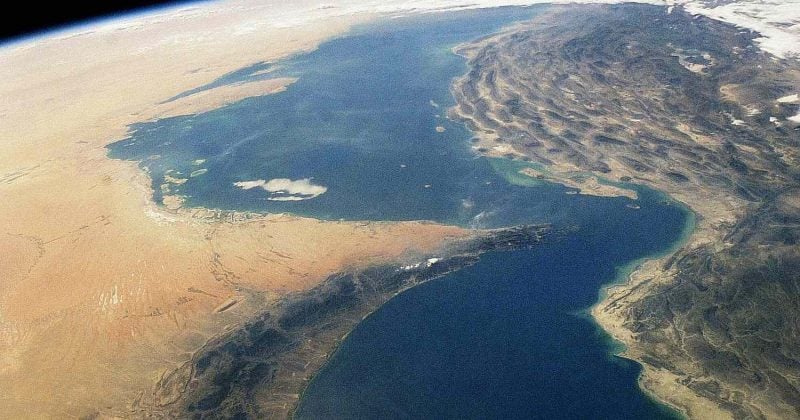
The core mechanics work like this: the US issues a 60-day waiver on sanctions restricting Iranian oil exports, Iran submits to IAEA-supervised destruction of its highly enriched uranium, and both sides use the window to negotiate the longer-term framework. The Strait of Hormuz, a narrow chokepoint responsible for roughly 20% of the world’s oil shipments, stays open.
Funds released through the US Treasury go into escrow rather than directly to Iran, a structural safeguard designed to prevent immediate deployment of cash while negotiations continue.
The inspection commitment is described as extending “long into the future,” language that matters because previous agreements, including the Joint Comprehensive Plan of Action, had defined sunset clauses that expired in 2025 and contributed to the renewed tensions that preceded this deal. Negotiations resumed in 2025 following the JCPOA’s expiration, making this MoU the first substantive framework to emerge from that breakdown.
Why crypto is paying attention
Iran has historically leaned on crypto as a workaround for the very sanctions this agreement is designed to ease. The clearest recent data point: the US Treasury sanctioned Nobitex on June 2, 2026, just 13 days before the MoU was signed. Nobitex handled more than 50% of Iran’s digital asset inflows in 2025, making it effectively the dominant on-ramp for Iranian crypto activity. The timing of that sanction, right before a diplomatic breakthrough, suggests enforcement and negotiation were running on parallel tracks rather than one replacing the other.
The Treasury’s enforcement posture has remained consistent throughout the negotiation period, and compliance teams at exchanges with any Iranian-adjacent activity should treat the MoU as a reason to stay alert, not to relax.
If Iranian businesses regain access to conventional dollar-clearing infrastructure, the premium on crypto as a financial escape hatch shrinks. That is a structural headwind for one specific use case of digital assets—the sanctions-evasion utility trade.
What this means for markets and investors
The Strait of Hormuz carrying roughly one-fifth of global oil supply is the most immediate pressure valve in this deal. Markets that have been pricing in potential supply disruption risk now have a reason to exhale, at least for 60 days.
Investors watching this space should focus on three things: whether Iran meets its IAEA commitments during the 60-day window, whether the US Treasury continues enforcement actions against crypto platforms during the negotiation period (the Nobitex precedent suggests yes), and whether oil market stabilization translates into the kind of macro softening that has historically correlated with Bitcoin outperformance.
Disclosure: This article was edited by Editorial Team. For more information on how we create and review content, see our Editorial Policy.












 English (US) ·