
 3 weeks ago
23
3 weeks ago
23
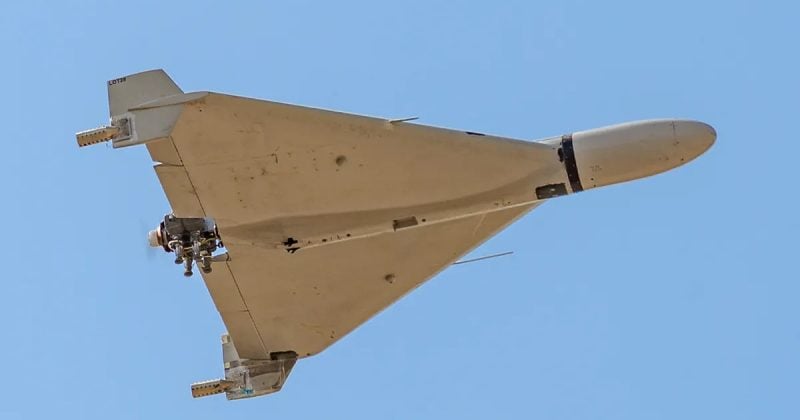
Iranian forces struck two commercial ships in the Strait of Hormuz in late June, derailing what was supposed to be a carefully orchestrated reopening of the world’s most important oil shipping lane. The attacks targeted the Singapore-flagged Ever Lovely and another vessel, the Kiku, through drone strikes around June 25-26.
No casualties or significant environmental damage were reported. But the timing could hardly have been worse, hitting during active United Nations efforts to resume commercial shipping operations after months of disruption.
A chokepoint that moves 20% of global energy
The Strait of Hormuz handles roughly 20% of global oil and LNG flows. Under normal conditions, more than 100 vessels transit the strait daily. Those numbers have been dramatically reduced since Iran’s blockade began in late February 2026, following US and Israeli military operations.
The latest attacks effectively paused UN recovery efforts that had been building momentum after a fragile ceasefire was brokered between Washington and Tehran. That ceasefire followed months of escalating military actions that turned one of the busiest shipping corridors on Earth into something closer to a conflict zone.
The US responded to the June strikes with retaliatory military action, though the full scope of that response remains part of an evolving situation. The Islamic Revolutionary Guard Corps, Iran’s elite military branch, has been identified as the force behind the vessel attacks.
Months of escalation and failed diplomacy
The current crisis didn’t materialize overnight. Since the blockade commenced in late February, the strait has seen repeated attacks on commercial vessels. President Trump and Iranian officials have engaged in negotiations over ceasefire extensions and framework agreements aimed at restoring safe passage, but those diplomatic efforts keep running into the same problem: actual missiles.
International shipping companies have been forced to reroute vessels around the Cape of Good Hope, adding weeks to delivery times and billions in additional costs.
The Strait of Hormuz is a narrow waterway between Iran and Oman, barely 21 miles wide at its narrowest point.
What this means for investors
Oil prices have been on a roller coaster tied directly to newsflow from the strait. Every ceasefire discussion pushes prices down on hopes of resumed supply. Every attack sends them right back up.
The US is both striking Iranian targets and negotiating with Iranian officials, a dual-track approach that can produce sudden, dramatic shifts in either direction.
Monitoring organizations have heightened alert levels in the region, suggesting that the risk of additional incidents remains elevated even if diplomatic talks resume.
Disclosure: This article was edited by Editorial Team. For more information on how we create and review content, see our Editorial Policy.











 English (US) ·