
 1 hour ago
1
1 hour ago
1
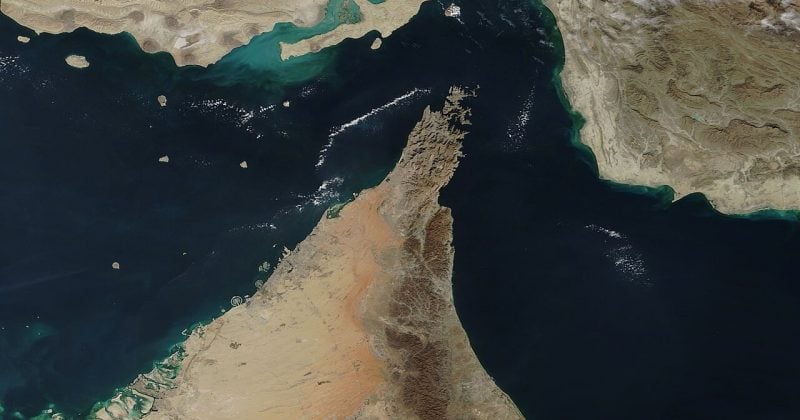
Iranian state television has reported that the Strait of Hormuz will remain closed until the United States ceases its interference, highlighting ongoing tensions between the two nations. The closure, declared by Iran’s Islamic Revolutionary Guard Corps, has halted nearly all ship transits through this critical chokepoint, affecting global oil and LNG markets. The disruption follows recent U.S. naval actions and airstrikes, which Iran cites as the primary reasons for its decision. This move could significantly impact global energy prices, given the strait’s role in the international supply chain.
Key Takeaways
- Markets suggest the closure of the Strait of Hormuz is consistent with increased WTI crude oil prices, reflecting potential supply disruptions.
- Pricing changes in prediction markets indicate a potential upward movement for WTI crude, with odds for hitting $130 in July increasing.
- The geopolitical situation involving Iran and the U.S. appears to influence market sentiment, suggesting heightened volatility in energy markets.
What to Watch
Observers should monitor statements from key actors such as the U.S. President and Iranian officials for any indications of de-escalation or further conflict. Developments regarding the strait’s status, including any potential reopening, could significantly alter market expectations. Additionally, announcements from OPEC+ or changes in global oil supply reports could further impact market pricing for WTI crude.
Get live prediction-market analysis, powered by Vera. Sign up for Vera.
Disclosure: This article was edited by Estefano Gomez. For more information on how we create and review content, see our Editorial Policy.












 English (US) ·