
 1 month ago
33
1 month ago
33
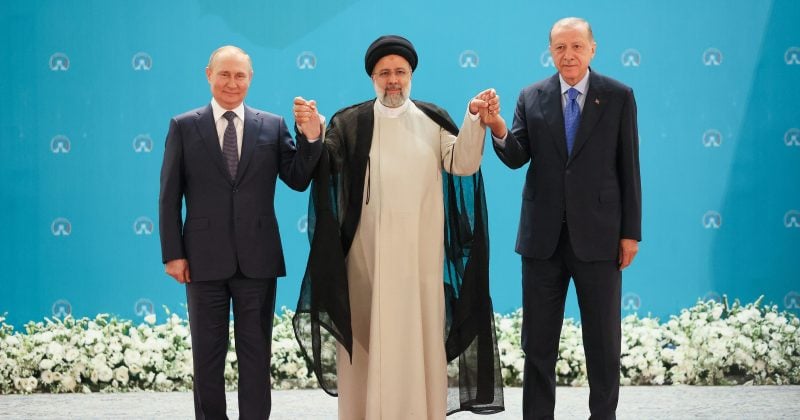
https://en.wikipedia.org/wiki/Ebrahim_Raisi
The State Welfare Organization of Iran has stopped providing living allowances to many disabled Iranians, citing a budget shortfall, as reported by the labor-focused news agency ILNA. This payment halt, which began in June, affects between 13,000 to 30,000 individuals who rely on these funds for essential living expenses, including caregiver and hygiene subsidies. The development reflects Iran’s ongoing economic crisis, marked by significant inflation and a restrictive 2026 budget, which has forced the government to make difficult financial cuts amid delayed oil revenues and currency devaluation.
This financial strain has broader implications for Iran’s political landscape, particularly for President Masoud Pezeshkian. Market activity suggests increased speculation about Pezeshkian’s potential departure from office by the end of the year. The halt in payments could heighten public discontent and pressure on his leadership, contributing to speculation in prediction markets about his political future.
Key Takeaways
- The halt in payments for disabled Iranians appears to reflect Iran’s severe budget constraints and economic challenges.
- Market pricing suggests increased speculation regarding President Masoud Pezeshkian’s potential exit from office by December 31.
- The decision to prioritize budget cuts over disability payments may indicate rising public dissatisfaction and political pressure.
What to Watch
Observers are monitoring for any official statements from President Pezeshkian or key political figures that could impact market perceptions of his tenure. Additionally, any shifts in Iran’s economic strategy or international relations could influence the likelihood of Pezeshkian’s departure. Increased public protests or political maneuvering within Iran’s leadership may also affect market pricing regarding the president’s future.
Get live prediction-market analysis, powered by Vera. Sign up for Vera.










 English (US) ·