
 1 month ago
45
1 month ago
45
Iran is reportedly exploring the possibility of transferring its stockpile of near-weapons-grade uranium to China as part of a broader ceasefire agreement with the United States. The arrangement, if finalized, would involve roughly 440.9 kg of uranium enriched to 60% purity, just one technical step below what’s needed for a nuclear weapon.
Chinese officials have signaled openness to receiving the material, though the specific safeguards the US would demand remain unclear.
What’s actually on the table
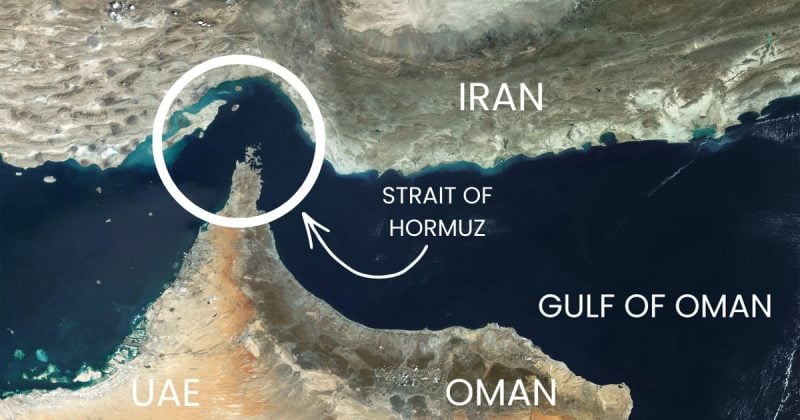
The uranium transfer discussion sits inside a larger negotiating framework between Washington and Tehran. Current proposals include a 60-day ceasefire extension and talks around reopening the Strait of Hormuz, the narrow waterway through which roughly a fifth of the world’s oil passes daily.
Uranium management remains the thorniest unresolved piece. Iran’s Supreme Leader has publicly stated a preference to keep the enriched stockpile within Iran’s borders. But conditional willingness to ship it to China reportedly exists, provided a broader deal materializes.
China is already deeply entangled with Iran economically. Beijing has continued large-scale imports of Iranian oil despite existing US sanctions, a dynamic reported as recently as early May 2026. Adding a uranium custody arrangement to that relationship would represent a significant escalation in China’s role as a geopolitical intermediary.
Prediction markets are picking up on the shifting mood. Polymarket odds for a US-Iran peace deal climbed above 30% in late May 2026, a notable jump that reflects genuine, if cautious, optimism among bettors that some form of agreement could land.
Why crypto traders should care about enriched uranium
Bitcoin has repeatedly demonstrated sensitivity to Middle Eastern tensions throughout 2025 and 2026. If a deal actually comes together, a credible agreement that removes near-weapons-grade uranium from Iranian soil would meaningfully reduce the probability of a military confrontation. Any deal that includes easing financial restrictions on Iran could open pathways for increased digital asset adoption in the region. Iran has historically leveraged cryptocurrencies to circumvent banking restrictions, and a more permissive sanctions environment could bring some of that activity above board, increasing trading volumes on regulated platforms.
Iran pushing more crude onto global markets through legitimate channels would put downward pressure on energy prices. Cheaper energy means lower mining costs for proof-of-work networks, which tends to be constructive for crypto valuations.
The risks that keep this interesting
A 30% probability on Polymarket means the market still thinks there’s a 70% chance this doesn’t happen. The Supreme Leader’s public opposition to exporting the uranium stockpile is not a minor detail. Any deal would require either a genuine change of position or a face-saving framework that allows the leadership to claim the uranium remains under Iranian sovereignty in some technical sense.
The US safeguards question is equally thorny. Washington would presumably need verification mechanisms to ensure the material is properly secured in China and not quietly returned. Designing those safeguards involves the International Atomic Energy Agency and bilateral trust between Washington and Beijing that is currently in short supply.
The Polymarket odds themselves have become a real-time sentiment indicator worth monitoring. A move above 40% would likely correlate with constructive price action in Bitcoin and major altcoins. A drop below 20% would signal that traders see escalation risk rising.
China’s dual role as both Iran’s largest oil customer and potential uranium custodian adds a layer of complexity. If Beijing accepts the material, it gains enormous leverage in three-way negotiations with both Washington and Tehran, leverage that could be deployed in unrelated disputes over trade, Taiwan, or technology export controls.
Disclosure: This article was edited by Editorial Team. For more information on how we create and review content, see our Editorial Policy.










 English (US) ·