
 1 month ago
32
1 month ago
32
Iran’s Islamic Revolutionary Guard Corps says it destroyed a US radar system, struck a drone hangar, and hit an equipment depot at Ali Al Salem Air Base in Kuwait. The claims, issued around July 13, have not been independently verified, but the pattern is familiar: the IRGC announces damage, markets flinch, and the region’s already elevated tension notches up another degree.
Ali Al Salem is not a minor outpost. It functions as a critical logistics and air operations hub supporting US military activity across the broader Middle East, which makes it a high-value symbolic and strategic target.
What the IRGC says happened
According to IRGC statements, the strikes involved a combination of missiles and drones targeting air-defense radar infrastructure, drone hangars, and fuel storage at the Kuwaiti base. The IRGC framed the operation as part of a deliberate, ongoing campaign rather than a one-off response.
Kuwait has been absorbing pressure since documented strikes began in February 2026, and this latest claimed operation fits a broader pattern of escalation across the conflict that has intensified throughout the year.
Kuwaiti authorities have reported airspace closures and activated defensive measures in response to the threat environment.
Markets noticed, Bitcoin included
Crypto traders did not wait for independent verification. Bitcoin briefly dropped toward $99.5K following the strike reports before partially recovering.
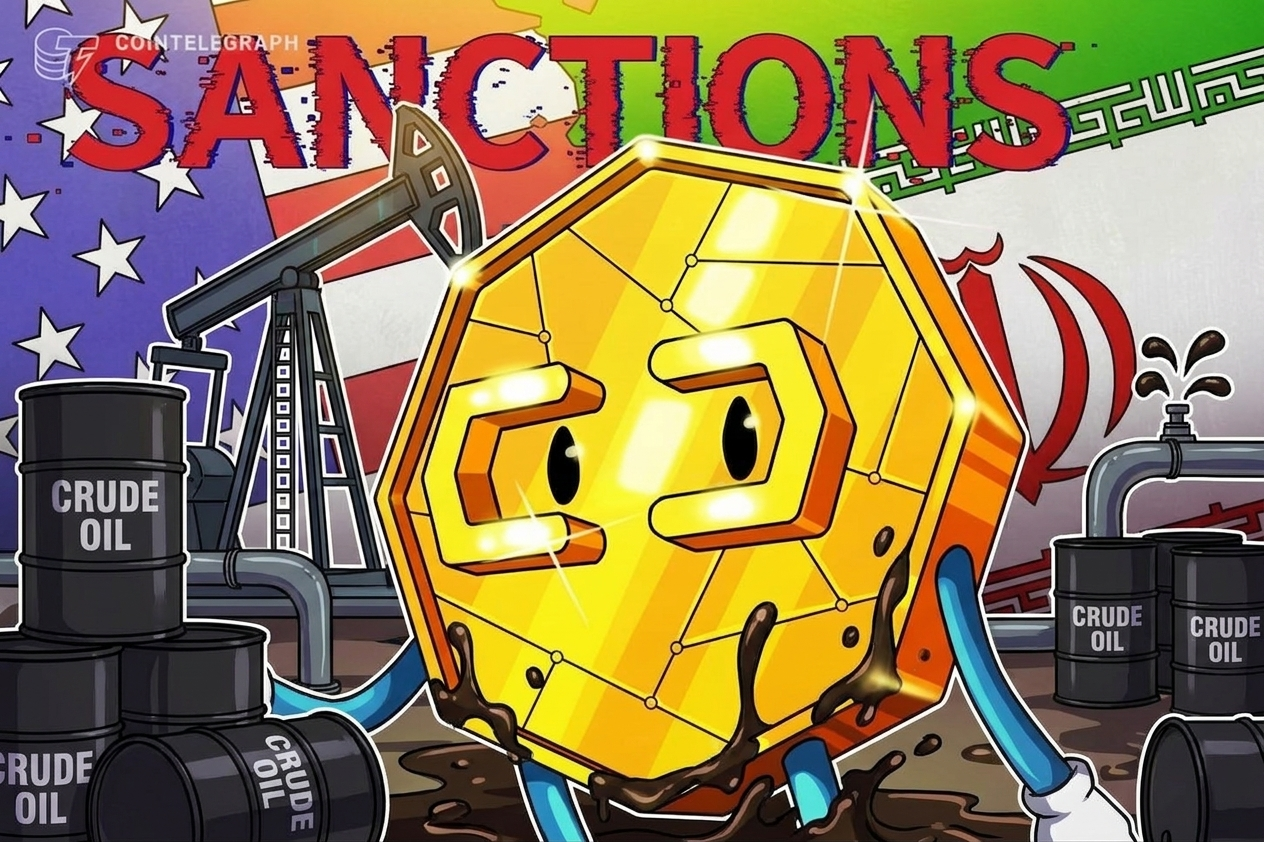
The Bitcoin dip also lands in a specific context. The IRGC is not a peripheral actor in the crypto ecosystem. Iran’s broader crypto market has been estimated at more than $7.8 billion, with IRGC-affiliated flows concentrated heavily in stablecoins. The organization has used digital assets as a sanctions evasion tool for years, moving value across borders in ways that dollar-denominated banking systems are designed to block.
That creates a dual dynamic for crypto markets. On one hand, escalating conflict drives safe-haven uncertainty that can pressure risk assets including Bitcoin. On the other, any regulatory response targeting Iran-linked crypto flows could tighten compliance pressure on exchanges and OTC desks globally, raising operational costs and potentially restricting liquidity in certain stablecoin corridors.
What investors should be watching
The IRGC’s crypto financing dimension adds a regulatory layer worth tracking separately. US Treasury and the Financial Crimes Enforcement Network have been tightening crypto sanctions enforcement since 2023, and a high-profile military confrontation with Iran tends to accelerate that process. Exchanges operating with exposure to Iran-linked wallets or stablecoin flows could face renewed scrutiny, and that scrutiny tends to ripple outward to compliance requirements across the industry rather than staying narrowly targeted.
For now, Bitcoin’s recovery after the initial dip suggests the market is treating this as a containable flare-up rather than a structural break.
Disclosure: This article was edited by Editorial Team. For more information on how we create and review content, see our Editorial Policy.













 English (US) ·