
 3 weeks ago
31
3 weeks ago
31
Iranian President Masoud Pezeshkian confirmed his government has directed 20 million barrels of state-owned oil to the Islamic Revolutionary Guard Corps air force.
The oil-to-arms pipeline
Iran’s use of oil revenues to fund the IRGC is not new. The practice of allotting crude directly to the Revolutionary Guards for operational needs has been ongoing since at least 2013. What makes this allocation notable is the scale, and the timing.
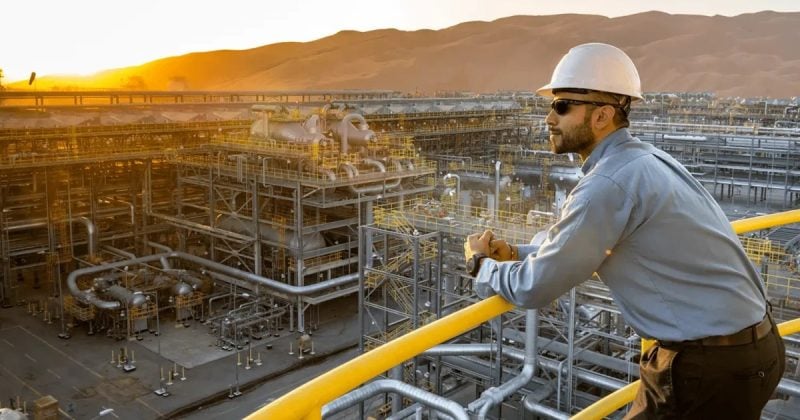
The country’s fiscal budget for 2025/2026, which took effect on March 21, marks a dramatic escalation in military spending. Allocations for defense initiatives are reportedly three times greater than the previous year. Roughly one-third of projected oil export revenues, approximately $12.4 billion, has been earmarked for military and special projects.
Iran’s projected daily exports sit at around 1.85 million barrels.
The military-allocated oil is provided at a subsidized exchange rate of approximately 600,000 rials per euro. The open-market rate sits closer to 1.14 million rials per euro. That gap effectively doubles the purchasing power of oil revenues when they flow through IRGC channels compared to what the same barrels would yield on the open market for civilian purposes.
Regional context and geopolitical pressure
Reports indicate that significant oil shipments have been moving through Iranian ports, with 20 million barrels departing the port of Chabahar in a single week.
The IRGC has historically funded its operations through several channels: direct allocations of crude oil from the state, shadow fleet exports predominantly destined for China, and the favorable exchange rate arbitrage described above. Iran has maintained a network of tankers that operate outside conventional shipping and insurance frameworks, enabling oil exports to continue flowing to willing buyers. China has been the primary destination for these shipments.
What this means for investors
There is no indication that digital assets or tokens play any role in this particular funding mechanism. The allocation is purely traditional: state-owned hydrocarbons converted into military capability through government budgetary channels and subsidized exchange rates.
If Iran can comfortably direct $12.4 billion toward defense from oil exports alone, the leverage that Western nations believe they hold through economic pressure may be weaker than assumed.
The Strait of Hormuz, through which roughly 20% of the world’s oil supply passes daily, remains a key bottleneck. Any escalation involving the IRGC could send crude prices sharply higher.
Investors watching energy markets should pay close attention to Iranian export volumes and any shifts in sanctions enforcement posture from the US. A crackdown on shadow fleet shipments to China could tighten global supply and push prices higher. Conversely, any diplomatic de-escalation could release pent-up supply and pressure prices downward.
Disclosure: This article was edited by Editorial Team. For more information on how we create and review content, see our Editorial Policy.













 English (US) ·