
 1 month ago
29
1 month ago
29
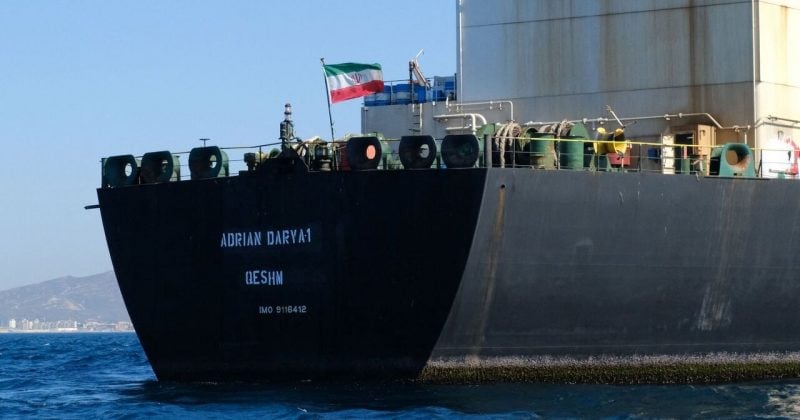
The Islamic Revolutionary Guard Corps Navy forced a US oil tanker to halt and turn back in the Strait of Hormuz after firing toward the vessel. The incident marks another sharp escalation in the narrow waterway that handles roughly a fifth of the world’s oil supply.
A pattern of aggressive intervention
This isn’t an isolated incident. The IRGC Navy has conducted multiple interventions in the Strait of Hormuz throughout May 2026, including drone strikes targeting oil tankers that ignored warnings.
One vessel, the tanker “Prima,” was struck by IRGC drones after reportedly failing to comply with directives. At least five US military boardings of Iranian-flagged tankers were reported in late May 2026, part of broader blockade enforcement measures. One of those operations involved the boarding of an Iranian-flagged vessel called the “M/T Celestial Sea,” suspected of attempting to breach the blockade.
Oil prices and the toll demand
Brent crude peaked above $95 per barrel during the April-May 2026 period, while WTI climbed to nearly $89 per barrel. Those prices have since softened slightly on ceasefire hopes, but the latest tanker incident could easily reverse that trajectory.
Iran has been demanding approximately $1 per barrel in transit tolls from vessels passing through the strait since mid-March 2026. Tehran wants payment in yuan or digital assets.
Blockchain analytics firms Chainalysis and TRM Labs report minimal onchain evidence of Bitcoin being used for Hormuz toll payments, despite documented claims from Iranian officials. Whatever digital payments are happening, they’re either negligible in volume or running through channels that aren’t showing up on public blockchains.
What this means for investors
The oil price impact creates a direct transmission mechanism into crypto markets. Historically, sharp oil price spikes have correlated with broader risk-off sentiment, which tends to hit speculative assets like crypto hard in the short term. But sustained energy inflation also drives narratives around dollar debasement and alternative stores of value, which can support Bitcoin prices over longer timeframes.
Iran’s insistence on yuan and digital asset payments for transit tolls represents something genuinely novel. A sovereign nation using a military chokepoint to force adoption of non-dollar payment rails is the kind of development that reshapes how markets think about sanctions, currency competition, and the utility of digital assets in adversarial geopolitics.
For traders watching this unfold, the immediate variables to monitor are straightforward: oil price movements, US military response posture, and any concrete evidence of digital asset flows tied to Iranian toll collection.
Disclosure: This article was edited by Editorial Team. For more information on how we create and review content, see our Editorial Policy.














 English (US) ·