
 1 month ago
26
1 month ago
26
What Are Wrapped and Staked Bitcoin?
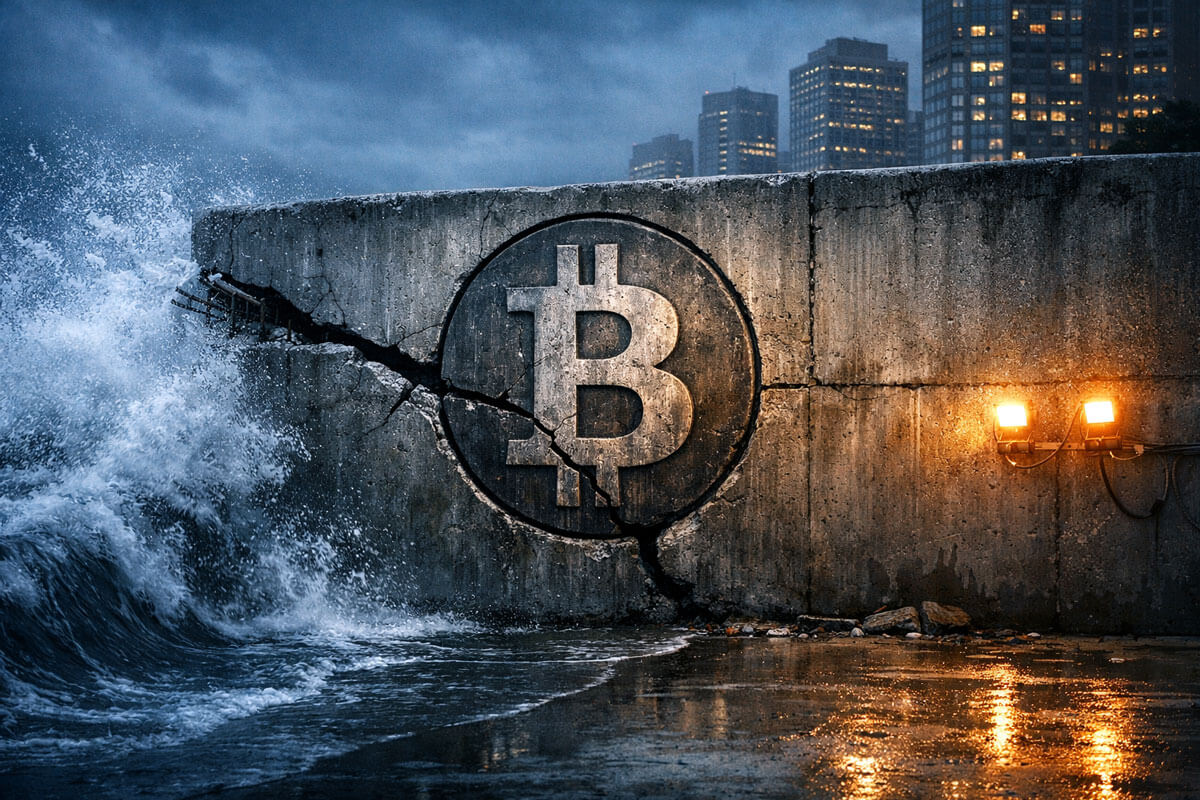
At first glance, tokens like LBTC, ckBTC, or staked BTC may look like new versions of Bitcoin. But in reality, they are financial layers built on top of Bitcoin, not Bitcoin itself.
Wrapped and staked BTC are derivative assets that represent Bitcoin in different environments:
- Wrapped BTC allows Bitcoin to be used on other blockchains like Ethereum or Solana
- Staked BTC lets holders earn yield by locking their BTC in DeFi protocols
- Synthetic BTC tracks Bitcoin’s price without necessarily holding real BTC
These tokens typically aim to maintain a 1:1 value with BTC, but they come with very different mechanics and risks.
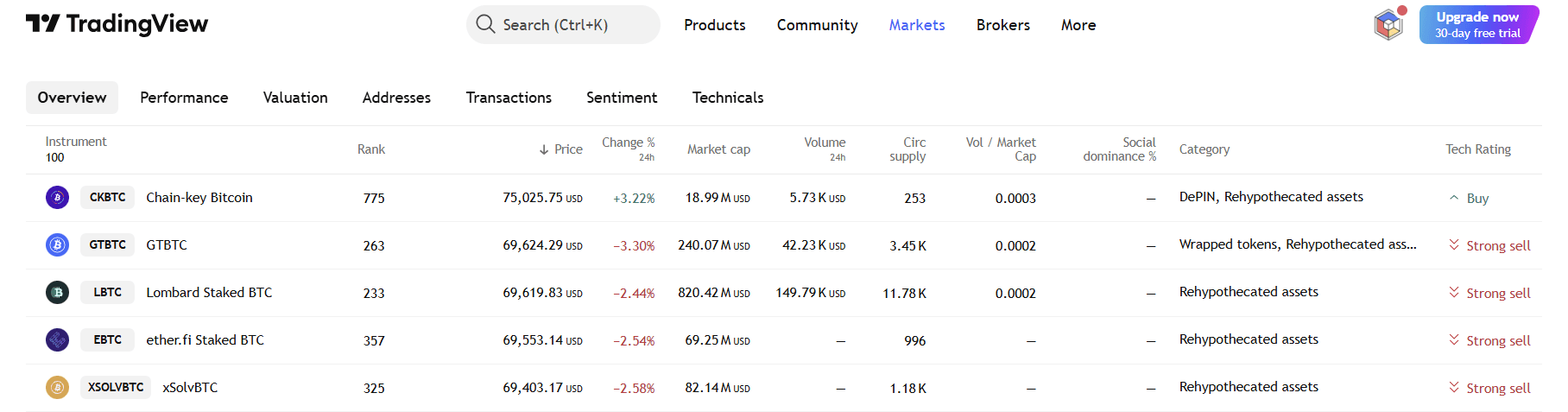 Most Expensive Cryptos
Wrapped vs Staked vs Synthetic BTC — What’s the Difference?
Understanding the differences is key before interacting with any of these assets.
Wrapped Bitcoin (WBTC-style assets)
- Backed 1:1 by real BTC held in custody
- Used for DeFi trading, lending, and liquidity
- Requires trust in custodians or bridge mechanisms
👉 Example use: Providing liquidity on Ethereum-based platforms
Staked Bitcoin (LBTC, eBTC, etc.)
- BTC is locked into a protocol
- Users receive a token representing their deposit
- Can earn yield while remaining liquid
👉 Example use: Earning passive returns on BTC holdings
Synthetic Bitcoin
- Tracks BTC price via algorithms or collateral
- May not be backed by real BTC
- Higher risk due to dependency on mechanisms
👉 Example use: Trading exposure without owning BTC
What Does ‘Rehypothecated Bitcoin’ Mean?
One of the most overlooked concepts in crypto today is rehypothecation.
This means the same Bitcoin can be used multiple times across different platforms.
Here’s a simplified example:
1 BTC is locked in a protocol
→ A wrapped token is issued
→ That token is used as collateral
→ Another asset is created from it
Now, multiple claims exist on the same BTC.
This creates what many call:
👉 “paper Bitcoin” inside DeFi
Why These Tokens Trade at Bitcoin Prices
Despite not being real BTC, these assets trade close to Bitcoin’s price because:
- They are designed to maintain a 1:1 peg
- Arbitrage keeps prices aligned
- Market participants trust the backing mechanism
However, small deviations can occur due to:
- Liquidity differences
- Market stress
- Trust issues
This is where things get serious—and often misunderstood.
1. Custodial Risk
If the entity holding the BTC fails, the token may lose its backing.
2. Smart Contract Risk
Bugs or exploits in DeFi protocols can lead to loss of funds.
3. Depeg Risk
The token may lose its 1:1 value with BTC during market stress.
4. Liquidity Risk
Some of these tokens have very low volume, making them hard to exit.
Why This Trend Is Growing in 2025
The rise of wrapped and staked BTC is not random—it’s driven by major shifts in the crypto market:
- Investors want yield on Bitcoin, not just price appreciation
- DeFi protocols need BTC liquidity
- Institutions are exploring structured BTC products
- Cross-chain ecosystems are expanding
Bitcoin is no longer just a store of value—it is becoming programmable capital.
Should You Use Wrapped or Staked BTC?
It depends on your strategy.
Use them if:
- You want to earn yield on BTC
- You actively use DeFi
- You understand the risks
Avoid them if:
- You want pure, self-custodied BTC
- You prioritize security over yield
- You don’t fully understand DeFi mechanisms
Final Thoughts: Not All Bitcoin Is Equal
While wrapped and staked BTC open new opportunities, they also introduce layers of complexity and risk.
Owning Bitcoin directly is fundamentally different from holding a representation of it.
As the ecosystem evolves, one key question remains:
👉 Is your Bitcoin truly Bitcoin—or just a claim on it?







 English (US) ·