
 1 month ago
17
1 month ago
17
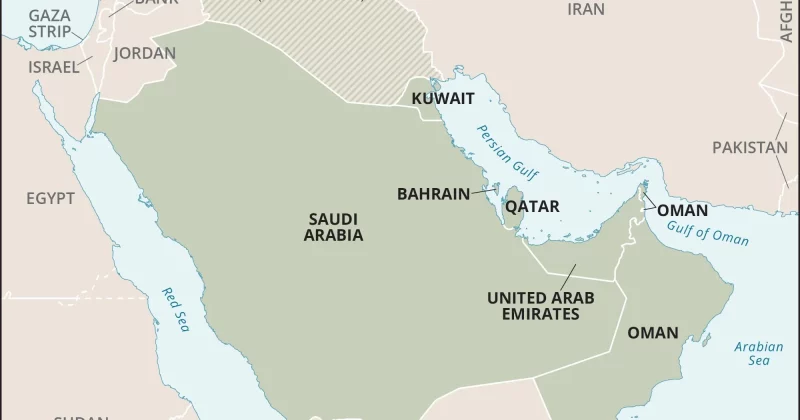
Israel’s “double-tap” attack in southern Lebanon killed journalist Amal Khalil and injured her colleague Zeinab Faraj. The ceasefire-by-June-30 market sits at 100% YES, a price that looks disconnected from what’s actually happening on the ground.
Market reaction
Both the April 30 and June 30 ceasefire markets are at 100% YES. Volume for both markets is at $0, meaning there is no active trading. The 100% price is not a consensus view; it’s an artifact of an empty order book. A single large order could move the odds sharply.
Why it matters
The attack targeted reporters from Al-Akhbar, a pro-Hezbollah outlet. Repeated Israeli strikes on journalists and rescue personnel during a declared ceasefire suggest the agreement exists on paper but not in practice. A market pricing certainty at 0¢ while violations continue is misleading. The odds reflect no actual change in conditions on the ground, and traders treating 100% YES as reliable are ignoring persistent hostilities.
What to watch
If Israel maintains its current pace of strikes, the probability of a stable ceasefire holding through either deadline drops. Statements from Netanyahu or Hezbollah’s Naim Qassem are the most likely catalysts for a market repricing. Any official confirmation of a renewed ceasefire breach could move these thin markets fast. Contrarian traders may see an opportunity if a breakdown forces the odds to catch up with reality.
API CTA
Get prediction market intelligence as a structured API feed. Early access waitlist.











 English (US) ·