
 1 month ago
26
1 month ago
26
Key takeaways
- Decentralized perpetuals are poised to dominate derivatives markets, signaling a major shift in finance.
- Hyperliquid is projected to become a leading financial product of this generation.
- Traditional finance is increasingly aware of blockchain markets, indicating potential future integration.
- US laws restrict financial institutions from using DeFi protocols like Hyperliquid due to derivatives trading regulations.
- Perpetual contracts offer simplicity and accessibility, making them superior for retail traders.
- Combining perpetual derivatives with DeFi results in a more efficient global financial system.
- Regulators focus on consumer protection in the volatile crypto market.
- Consumer protection in DeFi should emphasize choice over government restrictions.
- Significant updates to financial regulation and infrastructure for DeFi are anticipated.
- ADLs are proving effective in managing risk and ensuring protocol solvency in DeFi.
- The intersection of regulation and technology is crucial for DeFi’s advancement.
- The evolution of financial regulation will impact how DeFi integrates into traditional systems.
- Understanding the regulatory framework is key to navigating DeFi’s legal landscape.
- The potential of DeFi to transform finance is becoming increasingly recognized.
- Consumer autonomy is a critical consideration in developing DeFi regulatory policies.
Guest intro
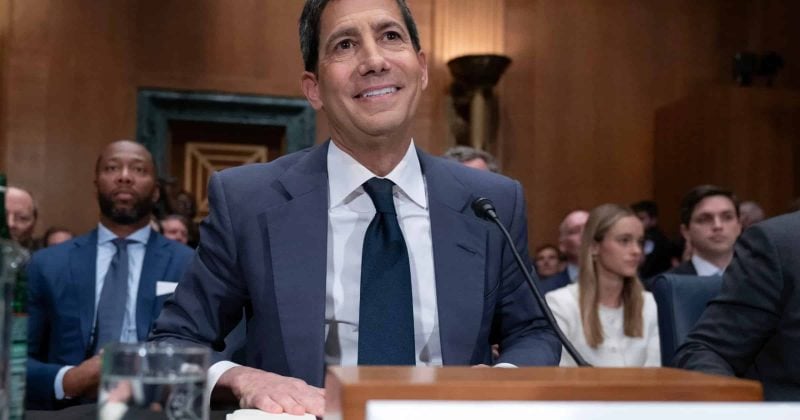
Jake Chervinsky is the founder and CEO of the Hyperliquid Policy Center. He previously served as Chief Policy Officer at the Blockchain Association and General Counsel at Compound Labs. His work has focused on DeFi advocacy and shaping US crypto policy.
The rise of decentralized perpetuals
-
Decentralized perpetuals will dominate the derivatives markets and DeFi will take over finance.
— Jake Chervinsky
- The current state of decentralized finance is at the beginning of a significant growth phase.
-
I think we’re at the very beginning of the hockey stick for decentralized perpetuals.
— Jake Chervinsky
- Perpetuals are expected to fundamentally change how derivatives markets operate.
- The potential for DeFi to overtake traditional finance is becoming more apparent.
- Understanding the growth trajectory of decentralized perpetuals is crucial for market participants.
-
Perps will basically take over the derivatives markets.
— Jake Chervinsky
- The impact of decentralized perpetuals on traditional financial markets is significant.
Hyperliquid’s potential impact
-
Hyper liquid has the potential to become the most successful financial product of our generation.
— Jake Chervinsky
- The role of Hyperliquid in the DeFi ecosystem is gaining attention.
- Hyperliquid’s success could redefine the landscape of financial products.
-
The most successful crypto project of our generation.
— Jake Chervinsky
- The promise of Hyperliquid highlights the innovation within DeFi.
- Understanding Hyperliquid’s potential is key for stakeholders in the DeFi space.
- The evolution of Hyperliquid could serve as a model for future DeFi projects.
- The integration of Hyperliquid into financial systems could have far-reaching effects.
Traditional finance’s growing interest in blockchain
-
Traditional finance is increasingly paying attention to blockchain markets.
— Jake Chervinsky
- Recent geopolitical events have heightened TradFi’s awareness of blockchain.
-
Bloomberg articles and coverage were sent to me by people from all across my career.
— Jake Chervinsky
- TradFi’s interest in blockchain indicates a potential shift in market dynamics.
- The intersection of traditional finance and blockchain is becoming more pronounced.
- Understanding TradFi’s perception of blockchain is crucial for industry participants.
- The potential for future engagement between TradFi and blockchain is significant.
- TradFi’s growing interest could lead to increased adoption of blockchain technologies.
Regulatory challenges for DeFi protocols
-
Financial institutions are restricted from using DeFi protocols like Hyperliquid due to US laws.
— Jake Chervinsky
- The regulatory framework in the US impacts DeFi’s integration into financial systems.
-
It’s not lawful in the United States to trade derivatives off exchange in a DeFi protocol.
— Jake Chervinsky
- Understanding the legal barriers is crucial for DeFi stakeholders.
- The intersection of regulation and technology presents challenges for DeFi.
- Financial institutions face limitations in engaging with DeFi due to regulatory constraints.
- The need for regulatory clarity is essential for DeFi’s advancement.
- The impact of US laws on DeFi highlights the importance of regulatory reform.
Advantages of perpetual contracts
-
Perpetual contracts are simpler and more accessible financial products.
— Jake Chervinsky
- Perps offer a superior alternative to futures and options for retail traders.
-
A perp is a superior financial product to a future or an option.
— Jake Chervinsky
- The simplicity of perps makes them appealing to ordinary traders.
- Understanding the differences between derivatives is crucial for traders.
- Perps provide accessibility, reducing complexity for retail participants.
- The advantages of perps highlight their potential for widespread adoption.
- The role of perps in financial markets is becoming increasingly significant.
The synergy of perpetual derivatives and DeFi
-
The combination of perpetual derivatives and DeFi creates a more efficient financial system.
— Jake Chervinsky
- This synergy enhances the efficiency and reliability of financial markets.
-
An upgrade for the entire global financial system and global trade.
— Jake Chervinsky
- The integration of these innovations offers benefits for individual traders and global systems.
- Understanding the impact of this synergy is crucial for market participants.
- The potential for these innovations to transform finance is becoming more recognized.
- The combination of perps and DeFi represents a significant advancement in financial technology.
- The evolution of financial systems through these innovations highlights their transformative potential.
Regulatory focus on consumer protection
-
Regulators prioritize consumer protection in the volatile crypto market.
— Jake Chervinsky
- Balancing innovation with consumer safety is a key regulatory challenge.
-
Consumer protection is something regulators really care about.
— Jake Chervinsky
- Understanding the regulatory landscape is crucial for navigating the crypto market.
- The focus on consumer protection highlights the need for regulatory frameworks.
- The role of regulators in ensuring consumer safety is becoming more pronounced.
- The importance of consumer protection in DeFi is a critical consideration for policymakers.
- The regulatory approach to consumer protection impacts the development of DeFi policies.
Consumer choice in DeFi regulation
-
Consumer protection in DeFi should prioritize consumer choice over government restrictions.
— Jake Chervinsky
- The balance between regulation and consumer autonomy is crucial in DeFi.
-
There is no such thing as consumer protection if the government is just telling people what they are and are not allowed to use.
— Jake Chervinsky
- Understanding the importance of choice is key for developing effective DeFi regulations.
- The emphasis on consumer choice highlights a critical perspective in regulatory discussions.
- The role of consumer autonomy in DeFi regulation is becoming increasingly significant.
- The need for regulatory frameworks that prioritize choice is essential for DeFi’s advancement.
- The impact of consumer choice on DeFi regulation highlights the importance of balancing innovation and protection.
Anticipated updates to DeFi regulation
-
There will be significant updates to financial regulation and infrastructure for DeFi in the near future.
— Jake Chervinsky
- The evolution of the regulatory landscape is crucial for DeFi’s integration into traditional systems.
-
There’s gonna be an update of all these financial regulation and financial infrastructure.
— Jake Chervinsky
- Understanding the forthcoming changes is key for industry stakeholders.
- The potential for regulatory updates to impact DeFi is becoming more recognized.
- The role of regulation in shaping DeFi’s future is a critical consideration for policymakers.
- The anticipated updates highlight the need for regulatory clarity and reform.
- The evolution of financial regulation will impact the development of DeFi policies.
The role of ADLs in DeFi risk management
-
ADLs are a new concept in managing risk within decentralized finance that have proven effective.
— Jake Chervinsky
- ADLs ensure protocol solvency, highlighting their importance in DeFi.
-
ADL has managed to ensure the solvency of the protocol.
— Jake Chervinsky
- Understanding the role of ADLs is crucial for risk management in DeFi.
- The effectiveness of ADLs highlights their potential for widespread adoption.
- The integration of ADLs into DeFi protocols represents a significant advancement in risk management.
- The impact of ADLs on protocol solvency underscores their importance in DeFi.
- The role of ADLs in managing risk is becoming increasingly recognized in the DeFi space.
Disclosure: This article was edited by Editorial Team. For more information on how we create and review content, see our Editorial Policy.













 English (US) ·