
 1 month ago
25
1 month ago
25
Key takeaways
- There is a significant disconnect between rising oil prices and the actual physical availability of oil.
- Current oil price quotes may not accurately reflect real transactions due to supply chain issues.
- The ongoing energy crisis has the potential to escalate significantly in the coming weeks.
- The duration of an energy crisis is crucial in determining its overall impact on markets.
- Geographical proximity to oil supply sources affects how quickly a crisis is felt in different regions.
- In a severe crisis, some countries might face situations where oil cannot be obtained at any price.
- Brent crude is not a true representation of the average global barrel of oil, especially for Middle Eastern oil.
- Significant tension is observed in the market for refined products, particularly in Southeast Asia.
- The disconnect between crude oil and refined product prices is due to lost production in both areas.
- The refining market acts as a buffer between crude oil shortages and consumer demand, leading to extreme pricing.
- Oil market dynamics during crises highlight the complexities of supply chain disruptions.
- The geopolitical landscape can significantly impact oil supply routes and market stability.
- Historical energy crises provide context for understanding current market conditions.
Guest intro
Javier Blas is a Bloomberg Opinion columnist covering energy and commodities, based in London. He previously served as chief energy correspondent at Bloomberg News and commodities editor at the Financial Times. He co-authored The World for Sale, a book on the secretive world of energy and commodity trading.
The disconnect between oil prices and physical availability
-
There is a disconnect between the rising oil prices and the actual physical availability of oil.
— Javier Blas
- The financial world and physical oil supply are not aligned, causing market confusion.
-
It feels also like there’s this disconnect between what’s going on in the financial world and what’s going on in the physical world which I don’t get.
— Javier Blas
- Understanding the dynamics of oil pricing is crucial during crises.
- Market prices often do not reflect the actual physical supply of oil.
-
The real issue on pricing is that while sellers and buyers can quote almost any price nothing is actually getting out of the gulf.
— Javier Blas
- Supply chain issues make market discussions more academic than practical.
- Misleading market quotes can obscure the true state of oil availability.
The potential escalation of the energy crisis
-
The current energy crisis could escalate significantly in the coming weeks.
— Javier Blas
- Historical precedents show that energy crises can worsen over time.
- The current crisis is still in its early stages compared to past events.
-
It’s bad and it could get really bad… give it a few more weeks and certainly we will get there.
— Javier Blas
- The length of a crisis is critical in determining its impact.
-
We are still at it four years later… that was about eight months… at times we forget how long other crisis were.
— Javier Blas
- Market reactions are influenced by the duration of an energy crisis.
- Understanding past crises helps in assessing potential outcomes for the current situation.
Geographical impact on oil crisis response
- Proximity to oil supply sources affects crisis response times.
-
The closer that you are to that location the more action you need to take because you typically depend more of that flow of oil coming from the Middle East.
— Javier Blas
- Regions closer to supply sources feel the impact of disruptions earlier.
- Geographical distance plays a role in oil transportation dynamics.
- Countries near conflict zones may face more immediate supply challenges.
- Understanding global oil supply dynamics is crucial for strategic planning.
- The speed of crisis impact varies based on geographical factors.
- Oil transportation routes are influenced by geopolitical tensions.
Extreme scenarios in oil supply disruptions
- In severe crises, some countries may not obtain oil at any price.
-
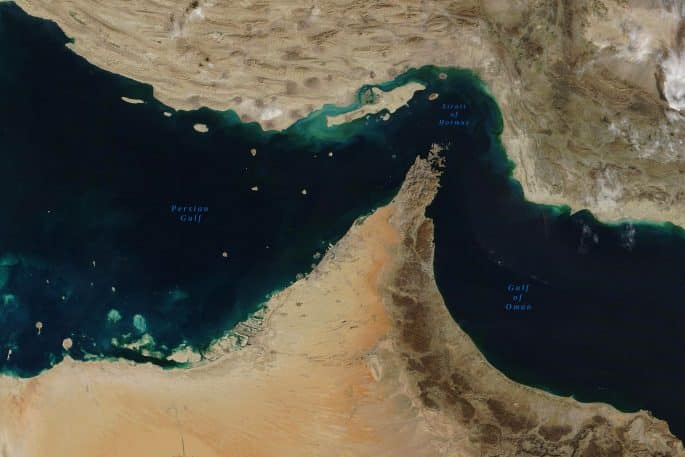
In an absolutely full blown crisis where we have the strait of Hormuz closed for many months… we can get into a situation that no matter what you are offering for a barrel of oil no one is willing to sell.
— Javier Blas
- Geopolitical instability can lead to extreme supply scenarios.
- The closure of key supply routes can exacerbate crisis conditions.
- Understanding geopolitical tensions is key to assessing supply risks.
- Extreme scenarios highlight the vulnerabilities in global oil supply chains.
- Strategic reserves may not suffice in prolonged crises.
- Market stability is heavily influenced by geopolitical developments.
Limitations of Brent crude as a benchmark
- Brent crude is not representative of the average global barrel of oil.
-
Brent is just effectively a short term for the average barrel in the world and it’s not really the average barrel that comes from the Middle East.
— Javier Blas
- Different benchmarks exist for oil pricing based on geographical relevance.
- The limitations of Brent highlight the need for diverse pricing metrics.
- Middle Eastern oil is not accurately reflected in Brent pricing.
- Understanding benchmark limitations is crucial for market analysis.
- Regional differences in oil quality affect pricing benchmarks.
- Accurate pricing requires consideration of multiple market factors.
Tensions in the refined products market
-
The price of refined products is where we are seeing significant tension in the market.
— Javier Blas
- Southeast Asian markets are experiencing extreme refined product prices.
- The disconnect between crude and refined prices indicates supply issues.
-
What matters really is the price of refined products and there actually we are beginning to see particularly in the east in the southeast Asian markets some very extreme prices.
— Javier Blas
- Lost production in crude and refined products contributes to pricing tensions.
-
We have lost not only a lot of crude oil production but we have lost a significant chunk of refined production.
— Javier Blas
- Understanding the dynamics of crude versus refined markets is crucial.
- Market demand and supply chain disruptions drive refined product pricing.
The refining market’s role as a buffer
-
The refining wall is acting as a buffer in between crude oil that is not there and consumers that they have not yet realized that the crude oil is not there.
— Javier Blas
- The refining market attempts to balance crude shortages and consumer demand.
- Extreme pricing is a mechanism to reconcile supply and demand gaps.
- The refining market dynamics highlight the impact of supply constraints.
-
The refined market is trying to basically get that two together and the way that it can only do it is by extreme pricing.
— Javier Blas
- Understanding refining market mechanisms is key to analyzing oil industry trends.
- The buffer role of refining markets is critical during supply disruptions.
- Consumer awareness of crude shortages influences market dynamics.
Disclosure: This article was edited by Editorial Team. For more information on how we create and review content, see our Editorial Policy.













 English (US) ·