
 4 weeks ago
23
4 weeks ago
23
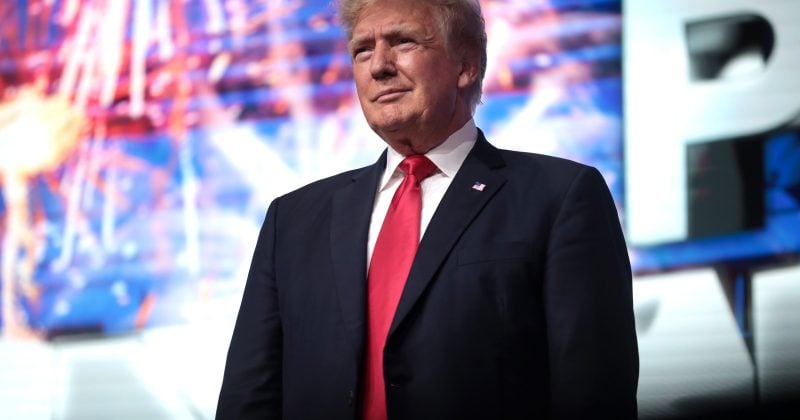
The US and Iran just signed a deal that, on paper, looks like the most consequential geopolitical development for energy markets in years. On June 17, 2026, President Donald Trump and Iranian President Masoud Pezeshkian put their electronic signatures on a 14-point Memorandum of Understanding at the Palace of Versailles in France.
The immediate result: Brent crude dropped to $83.55 per barrel. The broader implication: a potential defusing of one of the world’s most dangerous trade chokepoints.
What the deal actually says
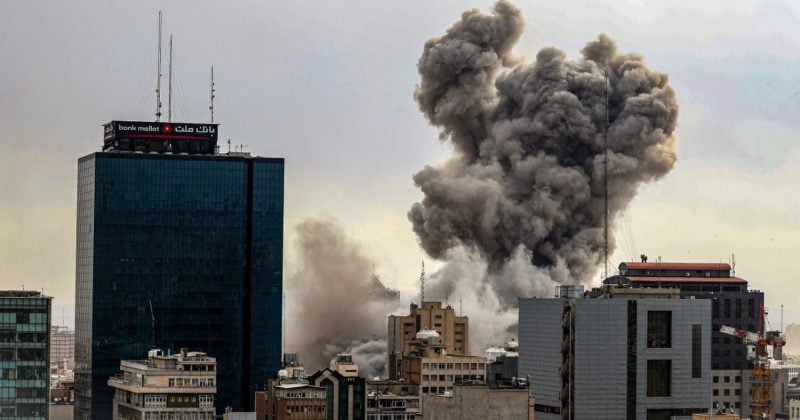
The MoU establishes a permanent cessation of hostilities between the two nations. That alone would be significant, given that military conflict erupted on February 28, 2026, when nearly 900 strikes targeted Iranian sites, triggering retaliatory actions and months of regional instability.
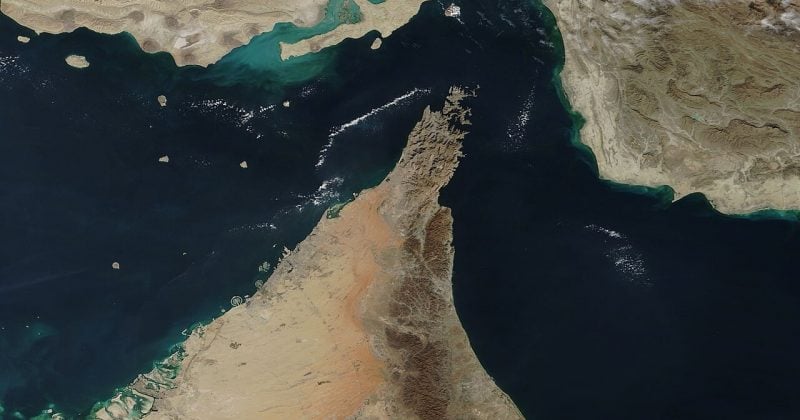
But the deal goes further than a ceasefire. The US naval blockade on Iranian ports gets lifted. Iran commits to restoring free commercial shipping through the Strait of Hormuz, the narrow waterway that handles roughly 20% of the world’s oil traffic.
The US Treasury is also issuing waivers for Iranian oil and petroleum exports for a minimum of 60 days. That window is designed to buy time for supplementary negotiations on two issues that have haunted US-Iran relations for decades: Iran’s nuclear program and broader sanctions relief.
Pakistan’s Prime Minister Shehbaz Sharif played a mediating role in brokering the agreement, adding a layer of regional diplomacy to what might otherwise look like a purely bilateral affair.
There’s also a reference to a potential $300 billion reconstruction fund for Iran, though that appears tied to future phases of the deal rather than the current interim arrangement.
Why oil markets responded immediately
The decline in Brent crude to $83.55 per barrel tells you exactly how the market read this news. Traders had been pricing in sustained disruption to one of the planet’s most critical shipping lanes, and the promise of restored Hormuz traffic removed a significant chunk of that risk premium.
Analysts are cautioning that a complete recovery of pre-conflict shipping levels could take weeks or longer. Port infrastructure needs inspection, insurance markets need to recalibrate, and shipping companies need to reroute vessels that were diverted during the blockade.
The 60-day waiver window is exactly that: a window. If broader negotiations stall, the market could reprice risk just as quickly as it shed it.
The crypto and broader market angle
When oil prices spike due to conflict, central banks face harder choices about interest rates. Higher rates tighten liquidity. Tighter liquidity is historically bad for risk assets like Bitcoin and the broader digital asset market.
The $83.55 Brent crude price is worth watching as a benchmark. If it holds or drifts lower as shipping normalizes, that’s a sustained tailwind for global growth expectations. If it bounces back up because the 60-day window closes without a broader deal, the market mood could shift fast.
A $300 billion infrastructure rebuild, if it materializes, would represent a massive capital deployment into a region that has been largely cut off from Western investment. The hard problems — Iran’s nuclear ambitions and the full sanctions architecture — remain unresolved.
Disclosure: This article was edited by Editorial Team. For more information on how we create and review content, see our Editorial Policy.












 English (US) ·