
 1 month ago
28
1 month ago
28
US Secretary of State Marco Rubio said on May 26 that a potential deal with Iran could materialize within days, even as American forces carried out strikes on Iranian missile launch sites and vessels. The diplomatic optimism, however thin, arrived alongside renewed military action that has kept global markets on edge for months.
US Central Command confirmed self-defense strikes on May 25 and 26 targeting Iranian missile sites and boats. Meanwhile, an Iranian delegation was in Doha, Qatar, negotiating over ceasefire extensions, the reopening of the Strait of Hormuz, and the ever-thorny nuclear program. Both sides acknowledged progress but tempered expectations, with disputes over draft document language slowing things down.
Rubio characterized the potential delay as lasting “a few days,” pinning the holdup on disagreements over wording in draft documents. Iran, for its part, acknowledged “some progress” in the talks but stressed that no deal is imminent.
The broader conflict between the US, Israel, and Iran stretches back to February 28, 2026, when American and Israeli forces began striking Iranian facilities. Since then, there have been multiple rounds of escalation and de-escalation, including a two-week ceasefire in April that briefly calmed markets before tensions ratcheted back up.
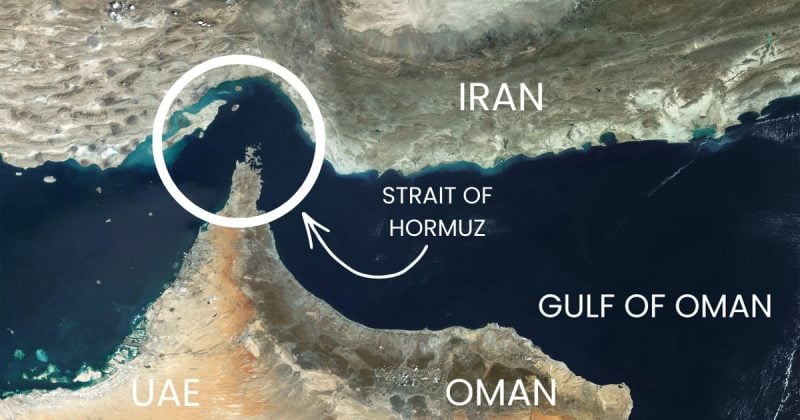
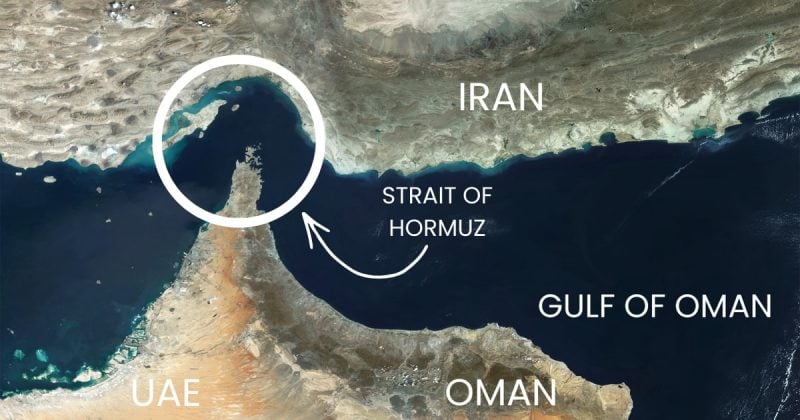
The Strait of Hormuz sits at the center of this standoff. Roughly 20% of global oil passes through that narrow waterway, and any disruption there sends shockwaves through energy prices.
Bitcoin’s volatile ride through geopolitical turbulence
Bitcoin has been trading between $63,000 and $72,000 as the US-Iran situation has evolved. Escalation triggers sell-offs. De-escalation triggers recoveries. The initial reaction to the February strikes was a sharp sell-off across risk assets, but crypto markets recovered during subsequent de-escalation windows, sometimes faster than traditional equities.
Bitcoin has, in several instances during this conflict, bounced back more quickly than stock indices after geopolitical shocks. Oil prices have surged in response to threats around the Strait of Hormuz, and those energy market moves have become a leading indicator for crypto traders. When oil spikes on Hormuz fears, Bitcoin tends to dip as broader risk appetite contracts. When diplomatic progress surfaces and oil pulls back, crypto catches a bid.
What this means for crypto investors
Traders who sold the February escalation and bought the April ceasefire captured a meaningful swing. The April ceasefire lasted two weeks before falling apart, and the current round of strikes happened while negotiators were sitting in Doha trying to hash out terms.
Investors should watch for three things in the coming days: whether the draft document disputes get resolved, whether US strikes continue even as talks proceed, and how oil markets react to each development. Bitcoin’s $63,000 floor has held through multiple rounds of escalation, but another breakdown in talks combined with expanded military operations could test that level. Conversely, a genuine diplomatic breakthrough could push Bitcoin toward the upper end of its recent range and potentially beyond it.
Disclosure: This article was edited by Editorial Team. For more information on how we create and review content, see our Editorial Policy.














 English (US) ·