
 1 month ago
26
1 month ago
26
Secretary of State Marco Rubio said on May 26 that a deal with Iran could materialize in “a few days,” a timeline that sounds fast until you remember the US was actively bombing southern Iran the day before.
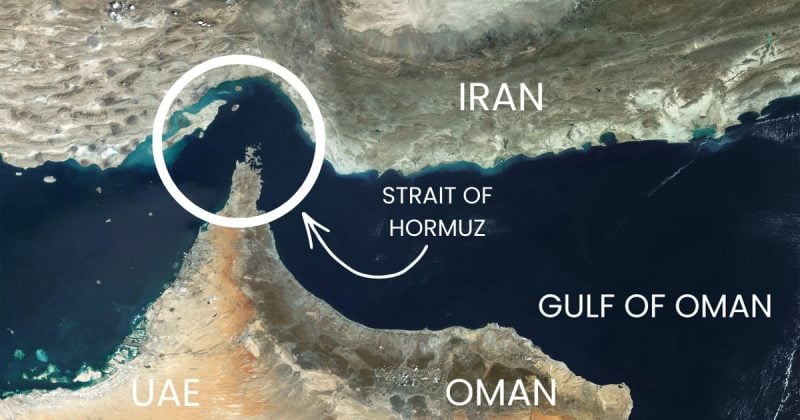
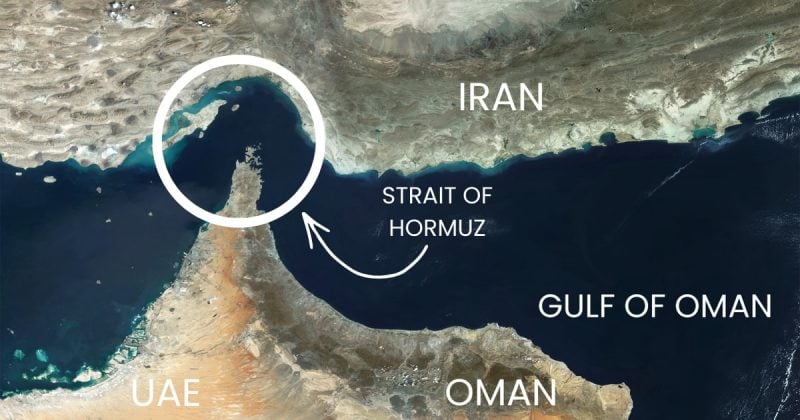
The statement came as US forces carried out what officials described as self-defense strikes against missile launch sites near the Strait of Hormuz on May 25. That waterway handles roughly 20% of global oil trade.
What’s actually on the table
The negotiations center on a proposed ceasefire lasting 45 to 60 days. That window would serve as a cooling-off period to hash out two much bigger issues: reopening the Strait of Hormuz and placing limits on Iran’s nuclear capabilities.
Iran’s foreign ministry acknowledged that some progress has been made in talks, but characterized a full agreement as “not imminent.”
The current round of tensions traces back to March 2026, when a series of US and Israeli military actions targeted Iranian facilities. Those operations escalated through the spring before a fragile ceasefire was established in early April. The strikes on May 25 suggest that ceasefire is holding together about as well as you’d expect.
Rubio indicated that President Trump is focused on securing favorable terms rather than rushing into an agreement.
Markets are reading the tea leaves
Oil prices fell on renewed hopes for a resolution that could restore normal shipping through the Strait of Hormuz. Global stock indexes climbed in response.
Bitcoin fluctuated between $71,000 and $77,000 during the recent stretch of geopolitical uncertainty.
Why crypto investors should pay attention
The Strait of Hormuz carrying 20% of global oil trade means any disruption there directly impacts inflation expectations. Inflation expectations drive central bank policy. Central bank policy drives liquidity conditions. And liquidity conditions are arguably the single biggest macro factor determining whether crypto goes up or down in any given quarter.
The $71,000 to $77,000 range Bitcoin has been trading in reflects this uncertainty in real time.
There’s also the question of sanctions relief. Any comprehensive deal with Iran would presumably involve adjustments to the sanctions regime, which has historically pushed some Iranian economic activity toward crypto rails.
The 45 to 60-day ceasefire window, if it gets formalized, would create a defined period of reduced tail risk. But the gap between Iran calling a deal “not imminent” and Rubio saying “a few days” is the kind of messaging disconnect that tends to produce volatility.
Disclosure: This article was edited by Editorial Team. For more information on how we create and review content, see our Editorial Policy.












 English (US) ·