
 1 month ago
24
1 month ago
24
Key Takeaways
- Digital credit is emerging as a crucial tool for addressing maturity risk associated with Bitcoin.
- The ongoing debt crisis is a catalyst for transitioning to a Bitcoin-driven financial future.
- The timeline for transitioning to a Bitcoin-centric economy remains uncertain.
- Traditional 60/40 investment portfolios are becoming obsolete, prompting a reevaluation of asset allocation strategies.
- Digital credit could accelerate hyper bitcoinization by smoothing out volatility during economic transitions.
- Investment strategies are increasingly focused on leveraging Bitcoin’s growth to outpace financing costs.
- Bitcoin’s compounded annual growth rate is projected to reach approximately 30% over the next decade.
- Bear markets present opportunities for aggressive investment strategies to maximize returns.
- Digital credit can provide a steady stream of dividends, minimizing the need for timing investments.
- Transitioning to daily dividends could stabilize digital credit, making it akin to a money market fund.
- The shift towards digital credit reflects a broader movement towards integrating digital assets into traditional finance.
- Bitcoin’s role as a hedge against economic instability is gaining traction among investors.
- The financial landscape is evolving as digital assets become more prominent in investment portfolios.
Guest intro
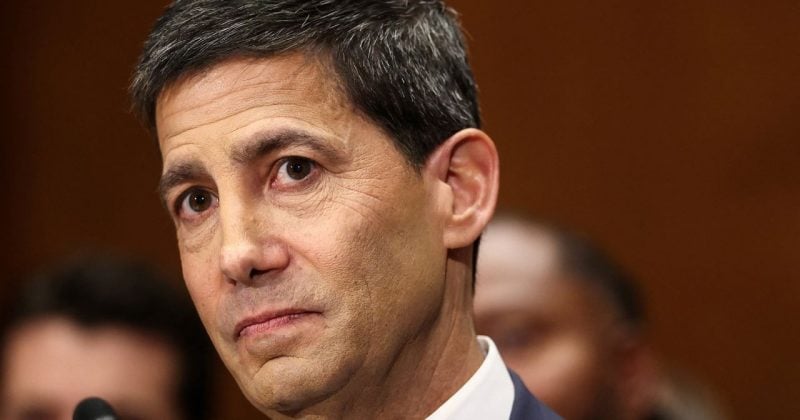
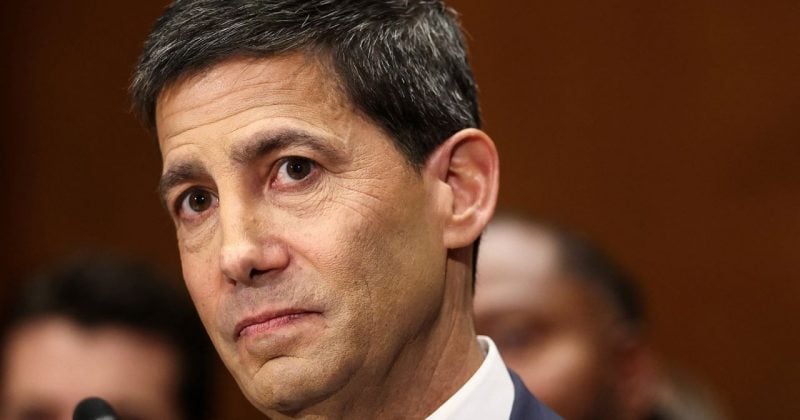
Matt Cole is Chief Executive Officer and Chief Investment Officer of Strive Asset Management, where he leads the firm’s Bitcoin-focused investment strategy. He previously spent 15 years at CalPERS, where he managed more than $70 billion in global fixed income and later led Strive’s push into Bitcoin treasury and structured digital credit products.
The evolving role of digital credit
- Digital credit addresses maturity risk, particularly in relation to Bitcoin’s volatility.
-
Digital credit is solving a larger problem than initially perceived, particularly in relation to maturity risk associated with Bitcoin.
— Matt Cole
- The perception of digital credit is shifting from a niche product to a mainstream financial instrument.
-
When we first launched SATA, what I viewed it as was just a preferred equity security.
— Matt Cole
- The relationship between digital credit and Bitcoin is becoming more intertwined.
- Digital credit’s role in financial systems is expanding beyond initial expectations.
-
As an issuer, I was concerned with a couple risks on the issuer side, namely maturity risk.
— Matt Cole
- Understanding digital credit’s potential requires knowledge of Bitcoin’s market dynamics.
Transitioning to a Bitcoin future
- The debt crisis is a significant driver towards a Bitcoin-centric economy.
-
The debt crisis will not improve, leading to a transition towards a Bitcoin future.
— Matt Cole
- The inevitability of a Bitcoin future is acknowledged, but the timeline is uncertain.
-
The hardest part about that transition is how long will it take and no one knows the answer to that.
— Matt Cole
- Bitcoin’s role in financial systems is expected to grow as traditional currencies face challenges.
- The transition involves navigating economic uncertainties and market dynamics.
-
I firmly believe that this debt crisis will not get better and we’re transitioning to a Bitcoin future.
— Matt Cole
- The shift towards Bitcoin reflects broader changes in global financial paradigms.
Rethinking investment strategies
- The traditional 60/40 portfolio is being reevaluated in light of current market conditions.
-
The traditional 60/40 investment portfolio is no longer viable.
— Matt Cole
- Investors are exploring alternatives for the 40% allocation in their portfolios.
-
What do you do with the 40? Do you put it in Bitcoin, digital credit, trend following solutions?
— Matt Cole
- The changing investment landscape requires new approaches to asset allocation.
- Digital assets are becoming integral components of modern investment strategies.
-
I agree with this concept of the sixty forty portfolio being dead.
— Matt Cole
- The evolution of investment strategies reflects broader shifts in financial markets.
Digital credit’s impact on hyper bitcoinization
- Digital credit could play a pivotal role in accelerating hyper bitcoinization.
-
Digital credit could be the most important asset in this transition period.
— Matt Cole
- The potential for digital credit to minimize volatility is significant.
-
It could actually accelerate hyper bitcoinization.
— Matt Cole
- Understanding hyper bitcoinization requires knowledge of digital credit’s role in financial systems.
- The transition to a new currency system involves leveraging digital credit’s capabilities.
-
If that thesis plays out and digital credit is this transition asset.
— Matt Cole
- The integration of digital credit into financial systems is a key factor in economic transitions.
Investment strategies leveraging Bitcoin growth
- Investment strategies are increasingly focused on Bitcoin’s growth potential.
-
The investment strategy involves taking capital from investors at a certain yield and using it to buy Bitcoin.
— Matt Cole
- The relationship between yield and asset growth is crucial in investment decisions.
-
We are making an investment bet on is that the average compounded annual growth rate of Bitcoin into the future will be better than that financing rate.
— Matt Cole
- Understanding investment strategies requires knowledge of Bitcoin’s market dynamics.
- The focus on Bitcoin growth reflects broader trends in digital asset investments.
- The mechanics of investment strategies are evolving in response to market conditions.
-
As an issuer, it’s really a carry trade.
— Matt Cole
Projected growth for Bitcoin
- Bitcoin’s projected growth rate is substantial, even in bear markets.
-
Bitcoin could see a compounded annual growth rate of around 30% over the next decade.
— Matt Cole
- Market analysis and historical trends support the growth projections for Bitcoin.
-
When Bitcoin goes down, that compounded annual growth rate projection actually goes higher to make up for the bear market.
— Matt Cole
- The forecasted growth rate reflects Bitcoin’s potential as a long-term investment.
- Understanding market conditions is crucial for interpreting Bitcoin’s growth projections.
- The projected growth rate is a key factor in investment strategies focused on digital assets.
-
We have a long-term projection call it for the next couple decades.
— Matt Cole
Aggressive investment strategies in bear markets
- Bear markets present opportunities for aggressive investment strategies.
-
Investors should be aggressive and take risks during bear markets to maximize potential returns.
— Matt Cole
- The concept of being greedy when others are fearful is emphasized in investment strategies.
-
You really wanna push it to the max exactly at this period of time.
— Matt Cole
- Understanding market psychology is crucial for developing effective investment strategies.
- The focus on aggressive strategies reflects broader trends in market behavior.
-
Be greedy when others are fearful.
— Matt Cole
- The approach to investment strategies is evolving in response to market conditions.
Digital credit as a continuous dividend stream
- Digital credit can function like a continuous stream of dividends.
-
Digital credit can function like a continuous stream of dividends, reducing the need for investors to time their investments around dividend events.
— Matt Cole
- The structure of digital credit influences investor behavior and market dynamics.
-
To the extent that you can make the dividend a more continuous stream of events.
— Matt Cole
- Understanding digital credit’s mechanics is crucial for interpreting its impact on investments.
- The comparison to traditional dividend-paying instruments highlights digital credit’s potential.
-
Someone that holds it doesn’t need to hold it waiting for the next dividend event.
— Matt Cole
- The evolution of digital credit reflects broader changes in financial markets.
The potential for daily dividends in digital credit
- Moving to daily dividends could reduce volatility in digital credit.
-
Moving to daily dividends could reduce volatility and allow digital credit to be used more like a money market fund or savings account.
— Matt Cole
- The potential for digital credit to evolve into a stable financial instrument is significant.
-
If you reduce and compress the volatility then it can be used more likely like a money market fund.
— Matt Cole
- Understanding dividend frequency’s impact on market behavior is crucial for interpreting this forecast.
- The shift towards daily dividends reflects broader trends in financial markets.
- The potential for digital credit to function like a savings account highlights its versatility.
-
It can be used more likely like a savings account type sort of instrument.
— Matt Cole
Disclosure: This article was edited by Editorial Team. For more information on how we create and review content, see our Editorial Policy.












 English (US) ·