
 3 weeks ago
17
3 weeks ago
17
Meta just wrote a $900 million check to acquire a 20% stake in CRED, the Indian fintech startup founded by Kunal Shah. The deal values CRED at $4.5 billion post-money, and it comes with a personnel shakeup that tells you everything about where Mark Zuckerberg wants to take WhatsApp next.
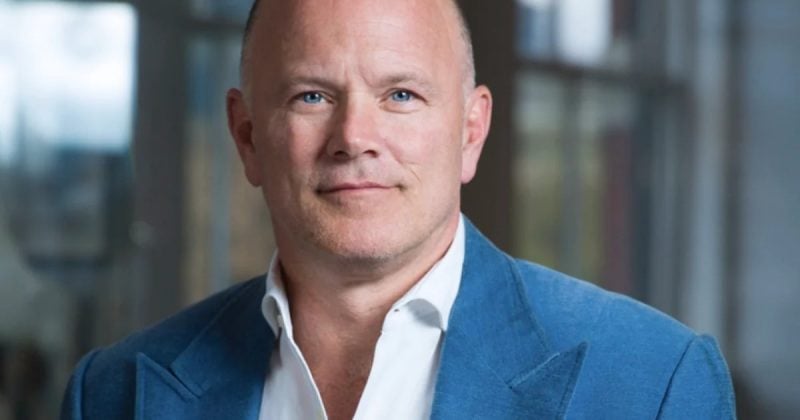
Shah is being appointed as WhatsApp’s new global head, replacing Will Cathcart, who led the messaging app for nearly seven years. His job description is straightforward if ambitious: turn WhatsApp from a chat app into a payments-centric super app.
The WeChat playbook, Indian edition
Meta thinks India might be the place to finally make it work. India is WhatsApp’s largest market, and the country’s digital payments ecosystem has exploded in recent years thanks to infrastructure like UPI, the government-backed payments rail that processes billions of transactions.
WhatsApp already has a payments feature in India, but it’s been a modest player compared to entrenched competitors like PhonePe and Google Pay. Bringing in Shah, who built CRED into one of India’s most recognizable fintech brands, signals that Meta is done experimenting and ready to compete seriously.
WhatsApp has somewhere between 2.3 and 3 billion daily users globally. The problem has never been reach. It’s been monetization. WhatsApp generates a fraction of the revenue that Instagram and Facebook produce, despite being arguably more embedded in people’s daily lives.
Why CRED and why now
CRED started as a credit card bill payment app for India’s premium consumers, the kind of people with high credit scores and disposable income. It expanded into merchant payments, personal finance tools, and a members-only commerce ecosystem. At $4.5 billion, the valuation represents a significant premium, but Meta isn’t buying CRED for its current revenue. It’s buying Shah’s playbook and his team’s fintech infrastructure expertise.
Zuckerberg has praised Shah’s ability to innovate, pointing to his track record of building CRED into a significant player in the Indian tech scene.
This also fits a pattern. In June 2025, Meta took a minority stake in Scale AI rather than acquiring the company outright. The CRED deal follows the same logic: acquire capabilities and talent without the regulatory headaches of a full acquisition.
What this means for investors and the competitive landscape
Right now, Meta’s business is advertising. Instagram, Facebook, and the broader family of apps generate nearly all of the company’s revenue from ads. WhatsApp has been the odd one out, a massively popular product that doesn’t pull its weight financially. If Shah can layer payment services, merchant tools, and commerce features into WhatsApp, it opens an entirely new revenue stream that doesn’t depend on ad spending cycles.
India is probably the best testing ground Meta could ask for. The country has a young, mobile-first population that already uses WhatsApp for everything from family group chats to small business communication. Merchants already share catalogs via WhatsApp. Adding seamless payments to those interactions is a natural extension, not a forced one.
PhonePe, backed by Walmart, and Google Pay dominate India’s digital payments space. Both will be paying close attention to how aggressively WhatsApp moves into their territory.
The absence of immediate regulatory pushback is notable. India’s regulators have historically been cautious about foreign tech companies expanding into financial services. The Reserve Bank of India and the National Payments Corporation of India both have oversight roles that could complicate Meta’s ambitions.
Disclosure: This article was edited by Editorial Team. For more information on how we create and review content, see our Editorial Policy.














 English (US) ·