
 4 weeks ago
9
4 weeks ago
9
Mojtaba Khamenei, Iran’s supreme leader, is set to publish a message to the Iranian public regarding the memorandum of understanding signed between the US and Iran to end hostilities. It will be his first direct public statement on the agreement, and it carries enormous weight for markets, diplomacy, and the future of the Middle East.
The MoU, electronically signed by US President Donald Trump and Iranian President Masoud Pezeshkian around mid-June 2026, lays out a 14-point framework designed to halt a conflict that has been grinding on since February. Khamenei has tacitly supported the deal behind the scenes but hasn’t said a word about it publicly.
What the deal actually includes
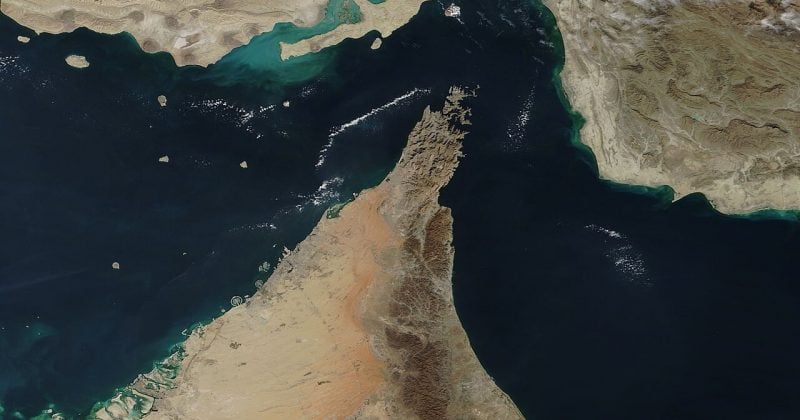
The 14-point plan includes an immediate halt to military operations, the reopening of the Strait of Hormuz, which handles roughly 20% of global oil transit, the lifting of US naval blockades, and the unfreezing of approximately $24 billion in frozen Iranian assets.
The agreement also carves out a 60-day window for further negotiations focused on Iran’s nuclear program and other unresolved issues.
Pakistan and Oman served as mediators during the indirect negotiations that produced the framework.
The backstory matters
Mojtaba Khamenei became supreme leader after the assassination of his father, Ayatollah Ali Khamenei, on February 28, 2026. That event triggered the four months of conflict that the MoU is now trying to end.
The MoU itself was a product of cautious, behind-the-scenes diplomacy. The electronic signing, conducted remotely rather than in a handshake-for-the-cameras setting, reflected the reality that trust between Washington and Tehran remains thin.
What this means for investors
Global oil prices dropped after the initial MoU announcement. Reopening the Strait of Hormuz removes one of the biggest chokepoints in global energy supply chains.
For crypto markets, Bitcoin posted gains tied to earlier diplomatic progress in May, when initial signals of a potential agreement first surfaced. No specific tokens or protocols have been directly linked to the MoU, but reduced geopolitical risk boosts overall risk appetite, and crypto is one of the first asset classes to benefit when institutional investors feel comfortable reaching for yield.
The 60-day negotiation window adds another layer of complexity, as a two-month period where nuclear talks could succeed or collapse introduces volatility. Traders should expect headline-driven price swings in both oil and crypto as each negotiation update hits the wire.
Disclosure: This article was edited by Editorial Team. For more information on how we create and review content, see our Editorial Policy.








 English (US) ·