
 3 weeks ago
25
3 weeks ago
25
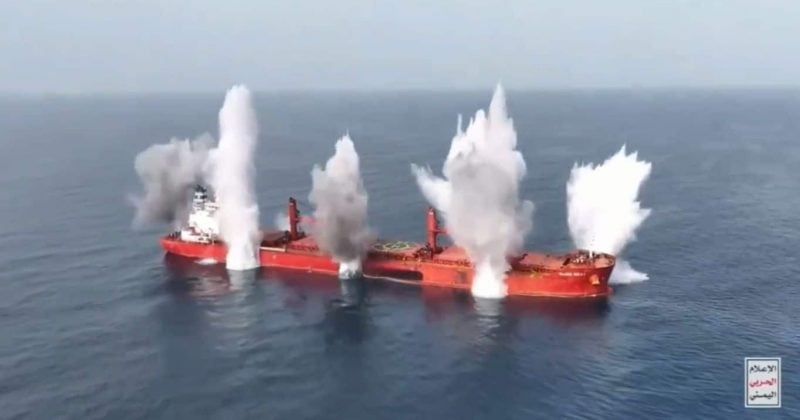
Oil prices have risen following Iran’s refusal to engage in talks with US envoys, reducing the likelihood of a ceasefire extension. The ongoing geopolitical tension has pushed Brent crude prices close to $95 per barrel, marking a significant increase since the conflict escalated in February. The situation is exacerbated by Iran’s control over the Strait of Hormuz, a crucial oil passage, where shipping has been disrupted due to US naval blockades and Iranian threats. This development has increased concerns about potential supply disruptions, as the existing truce between the US and Iran nears its expiration without a resolution in sight.
Key Takeaways
- Iran’s decision not to meet US envoys appears to increase oil market uncertainty, consistent with a YES outcome for higher prices.
- Current market behavior suggests potential further increases in oil prices, reflecting geopolitical risks impacting supply.
- The pricing indicates a 6% probability for crude oil to reach a new all-time high by September 30, suggesting cautious optimism among participants.
What to Watch
Markets will be closely monitoring any developments in the US-Iran relationship, particularly any signs of renewed hostilities or diplomatic breakthroughs. The expiration of the current ceasefire poses a critical juncture, with potential implications for oil prices if no agreement is reached. Attention will also be on the Strait of Hormuz, where continued disruptions could further influence price movements. Key actors such as OPEC and US officials remain pivotal in shaping the market’s response to these geopolitical tensions.
Get prediction market intelligence as a structured API feed. Early access waitlist.
Disclosure: This article was edited by Estefano Gomez. For more information on how we create and review content, see our Editorial Policy.














 English (US) ·