
 1 month ago
25
1 month ago
25
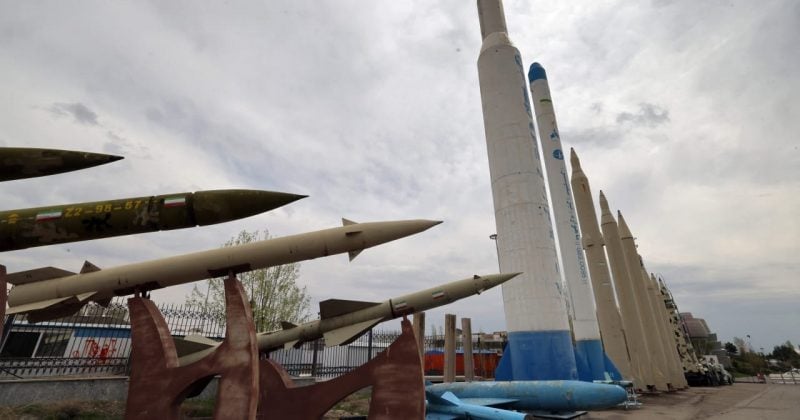
Oil prices climbed more than a dollar per barrel as military exchanges between the US and Iran intensified, reviving fears of supply disruptions in one of the world’s most critical energy chokepoints. Brent crude settled at $94.25, up $1.16 on the session, while WTI closed at $91.30, gaining $0.76.
The moves are the latest chapter in a conflict that has kept energy traders on edge since February 2026, when tensions first erupted and briefly sent oil past the $100 mark. That spike cooled as ceasefire discussions gained traction. Now, with strikes escalating again, the market is recalculating just how fragile those diplomatic efforts really were.
The Strait of Hormuz problem
Roughly 20% of global oil shipments pass through the Strait of Hormuz, the narrow waterway between Iran and the Arabian Peninsula. In recent sessions, WTI surged as much as 3.1% to $90.89 while Brent jumped 2.7% to $93.92, reflecting the market’s anxiety about potential supply disruptions.
Bitcoin feels the tremors
During April 2026, Bitcoin oscillated between $70,000 and $77,000 as traders digested the implications of rising oil costs and broader Iranian risk.
Adding another layer of complexity, US authorities have frozen portions of Iran-linked crypto holdings estimated in the billions as part of sanctions enforcement actions.
What this means for investors
The risk-off trade is already visible in positioning data. Many traders have moved to protective positions or liquidated holdings to reduce exposure to inflation-driven losses.
The freezing of Iran-linked crypto assets adds a regulatory dimension that shouldn’t be ignored. Sanctions enforcement through blockchain analysis demonstrates that crypto’s transparency can be a double-edged sword, offering both pseudonymity and traceability depending on which side of the transaction you’re on.
Disclosure: This article was edited by Editorial Team. For more information on how we create and review content, see our Editorial Policy.













 English (US) ·