
 1 month ago
33
1 month ago
33
US military strikes on Iranian missile launch sites and naval assets sent oil prices climbing over 2% on May 8, with Brent crude pushing to approximately $102 per barrel. The attack, which US Central Command characterized as defensive retaliation against Iranian strikes on US warships, effectively poured cold water on peace negotiations that were already struggling to gain traction.
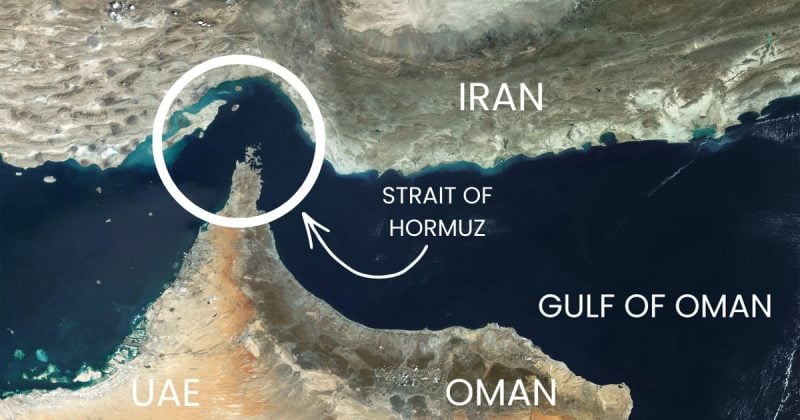
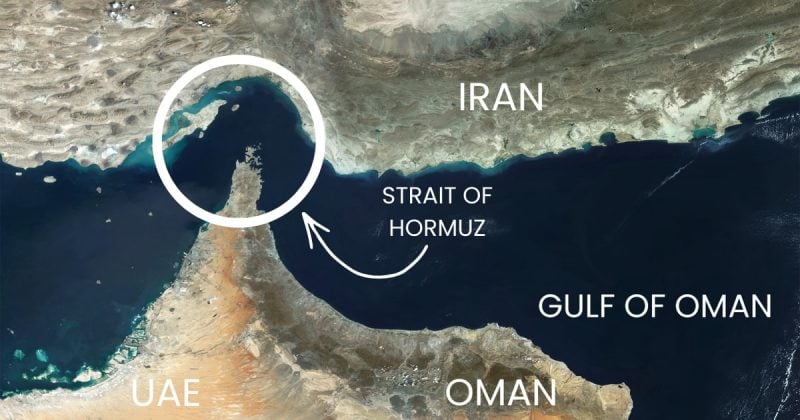
For crypto investors wondering why they should care about fighter jets and oil tankers: the Strait of Hormuz handles roughly 20% of global seaborne oil trade. When that chokepoint gets hot, everything downstream gets expensive, and “everything” includes the liquidity conditions that keep digital asset markets humming.
What happened in the Strait
The strikes targeted Iranian missile launch sites and naval positions in and around the Strait of Hormuz. Since February 2026, US-Iran hostilities have escalated through a series of military confrontations, fragile ceasefires, and repeated provocations from both sides.
Pakistan had been mediating peace talks between the two nations. Those efforts now look considerably more fragile.
This cycle of escalation has already driven oil prices up more than 8% over recent months, and the latest action suggests the trend isn’t breaking anytime soon.
The crypto ripple effect
The crypto market responded with heightened volatility almost immediately after news of the strikes broke. Bitcoin saw notable price swings as traders recalibrated their risk exposure. In a curious subplot, HYPE briefly surpassed Dogecoin in trading volume as capital rotated rapidly across tokens.
The broader digital asset market shifted into a risk-off posture, with cautious trading and potential liquidations characterizing the session as participants braced for more headlines out of the Middle East.
Why oil prices matter for your portfolio
When oil prices spike, they feed directly into inflation readings. And when inflation readings come in hot, the Fed has less room to cut rates or maintain accommodative monetary policy. Market experts have drawn a direct line between sustained high oil prices and potential constraints on Fed policy. Tighter monetary conditions mean less liquidity in the financial system, and less liquidity means less speculative capital flowing into risk assets.
The $102-per-barrel level for Brent is particularly significant. It sits above the psychological $100 threshold that tends to shift narrative framing from “elevated prices” to “energy crisis.”
For Bitcoin specifically, the situation creates a paradox. Persistent inflation strengthens the “digital gold” narrative, but the liquidity contraction that comes with hawkish monetary policy tends to suppress all risk assets, Bitcoin included.
The HYPE-surpassing-Dogecoin moment suggests traders are rotating rapidly and chasing momentum, a hallmark of markets that are nervous but not yet in full panic mode.
What investors should monitor closely in the coming days: whether Brent crude holds above $100, any developments in the Pakistan-mediated peace talks, and Fed commentary on inflation expectations.
Disclosure: This article was edited by Editorial Team. For more information on how we create and review content, see our Editorial Policy.













 English (US) ·