
 3 weeks ago
27
3 weeks ago
27
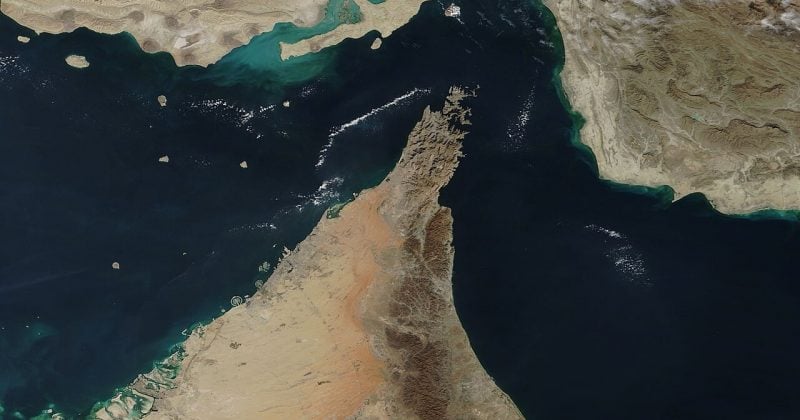
The Strait of Hormuz, a narrow waterway roughly 21 miles wide at its tightest point, handles roughly 20% of the world’s seaborne oil trade. So when reports surfaced that ships passing through might need to start paying fees, the global energy and crypto markets had reason to pay attention.
Here’s the thing: the story has already taken a sharp U-turn. Oman’s Foreign Minister Badr Al-Busaidi declared at a Gulf Cooperation Council-United States meeting in Bahrain on June 25, 2026, that future arrangements for the Strait of Hormuz will explicitly not include transit fees or tolls.
From fee threats to diplomatic denials
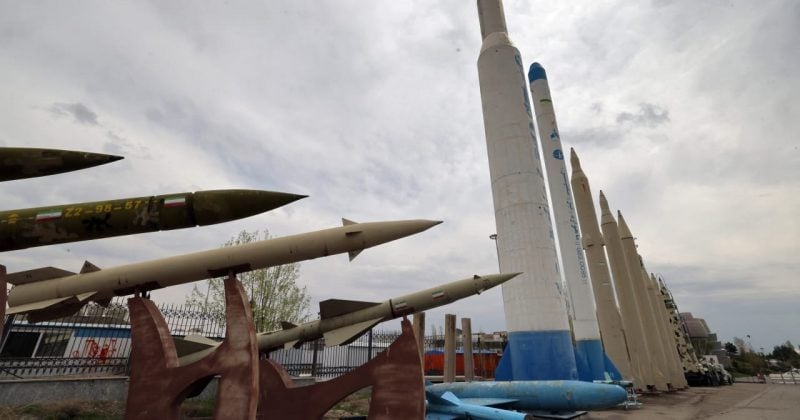
The timeline here matters. Starting in April 2026, reports indicated that Iran’s Islamic Revolutionary Guard Corps was preparing to impose charges on vessels transiting the Strait. Iran framed these as “service fees,” a linguistic choice designed to sidestep the obvious characterization: illegal tolls on international waters.
The proposed rate was reportedly $1 per barrel.
Iran was allegedly willing to accept payment in cash, goods, Chinese yuan, or cryptocurrencies like Bitcoin and stablecoins.
Oman, which shares sovereignty over the Strait with Iran, found itself in an awkward position. The country reportedly communicated to European officials that ships might face fees, a message that immediately drew a sharp response from Washington.
The Trump administration warned against any tolling system and specifically advised Oman not to facilitate Iran’s fee collection efforts. Al-Busaidi’s subsequent public declaration that no fees would be included in future arrangements was a clear attempt to de-escalate and reassure international partners.
The crypto angle, and why it matters less than you think
No specific crypto tokens were publicly identified in connection with the proposed tolls. The references to cryptocurrency were general, almost throwaway additions to a list of payment methods that also included physical goods and yuan.
The fact that Oman has now publicly ruled out facilitating these fees means the crypto payment angle is, for the moment, dead on arrival. There’s no transaction to process if there’s no fee to collect.
What this means for markets
For oil traders, Al-Busaidi’s statement is straightforwardly positive. Any fee system in the Strait of Hormuz would have added direct costs to every barrel transiting the waterway. The explicit ruling out of tolls, at least under Oman’s agreements, removes that near-term risk.
Iran’s willingness to float the idea signals that the country views its geographic leverage over the Strait as an untapped revenue source. The IRGC’s framing of these charges as “service fees” suggests legal and rhetorical groundwork is being laid for future attempts.
Investors should watch for two things going forward. First, whether Iran makes any unilateral move to impose fees regardless of Oman’s position, since Iran controls the northern side of the Strait independently. Second, whether US regulators use this episode as justification for expanded sanctions-related crypto enforcement, particularly around stablecoin issuers and mixers that could theoretically facilitate state-level evasion schemes.
Disclosure: This article was edited by Editorial Team. For more information on how we create and review content, see our Editorial Policy.







 English (US) ·