
 4 weeks ago
21
4 weeks ago
21
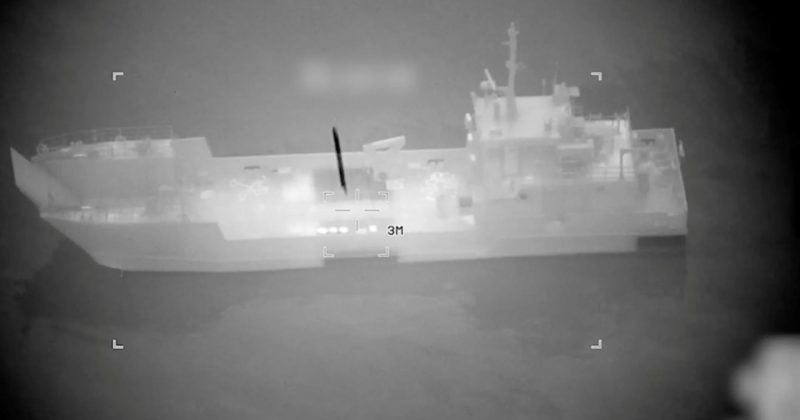
Pakistan’s National Hydrographic Office issued an urgent navigational warning on June 19, 2026, confirming the presence of a naval mine near the northwest tip of Oman’s Musandam peninsula in the Strait of Hormuz. The advisory, broadcast through the Navarea IX system, urged all vessels to exercise extreme caution in waters that carry approximately 20% of the world’s oil supply.
The mine warning dropped on the same day the US and Iran announced a deal aimed at normalizing shipping routes and dialing down tensions in the very same chokepoint.
A crisis months in the making
The Strait of Hormuz has been a flashpoint since late February 2026, when Iran began strategically deploying sea mines to restrict maritime passage. By early March, the situation had escalated enough to prompt a significant US naval response, with more than two dozen vessels deployed to the area.
Oman issued its own mine warning on May 30, 2026, and Iran has also flagged hazards in the area. Pakistan’s warning is the latest in a pattern that suggests the Strait remains littered with threats, even as diplomats work to cool things down. Mediation efforts have actually taken place in Pakistan itself, which gives the country’s hydrographic office a front-row seat to the crisis.
The diplomatic overlay
The US-Iran deal announced on June 19 is designed to restore normalized shipping and reduce the risk of further confrontation. But the Pakistan mine warning, issued on the very same day, underscores the gap between diplomatic agreements and physical reality. Mines don’t disappear because two governments shake hands.
Analysts have noted that Iran’s mining activities, which started in early March 2026, continue to pose a significant threat to navigation. The Strait of Hormuz is only about 21 miles wide at its narrowest point, and shipping lanes are even tighter. More than two dozen US naval vessels operating in mine-laden waters face their own risks, and the density of naval traffic increases the chance of miscalculation.
What this means for markets and crypto investors
Oil price volatility is the most direct transmission mechanism. When roughly a fifth of the world’s oil supply flows through a waterway with confirmed mines in it, energy markets react. Sharp moves in oil prices ripple through equities, currencies, and crypto.
If another vessel strikes a mine, or if Iran resumes active mining operations, the deal could collapse quickly. Sustained energy price uncertainty tends to feed into inflation expectations, which influences central bank policy, which moves every asset class on the board.
Disclosure: This article was edited by Editorial Team. For more information on how we create and review content, see our Editorial Policy.














 English (US) ·