
 1 month ago
29
1 month ago
29
Key Takeaways
- The complexity of Iran’s nuclear facilities necessitates a multi-target bombing strategy.
- American bombers can consistently destroy Iran’s nuclear enrichment facilities.
- Bombing enriched uranium sites does not eliminate the material, only buries it.
- Military actions have been strengthening Iran instead of weakening it.
- Political reactions often outweigh the tactical military effects of bombing campaigns.
- The inability to eliminate the last portion of an enemy’s capabilities can boost their morale.
- Iran’s significant arsenal of drones and missiles poses a challenge to US forces.
- Iran’s decentralized military structure complicates ceasefire negotiations.
- Decentralization in military command can lead to chaotic decision-making.
- The escalation trap in conflict involves three stages, with a potential fourth emerging.
- Understanding local reactions is crucial in military strategy.
- The resilience of nuclear material highlights the limitations of bombing as a strategy.
- Historical military strategies provide insights into current geopolitical challenges.
- The decentralized nature of Iran’s military affects international relations.
- The Strait of Hormuz is a critical point in military conflict escalation.
Guest intro
Robert Pape is Professor of Political Science at the University of Chicago and founding Director of the Chicago Project on Security and Threats. He has advised every White House since 9/11 on military strategy and bombing campaigns. He is the author of Bombing to Win: Air Power and Coercion in War.
The complexity of Iran’s nuclear facilities
- Iran’s nuclear facilities require a multi-target bombing strategy for effective military action.
-
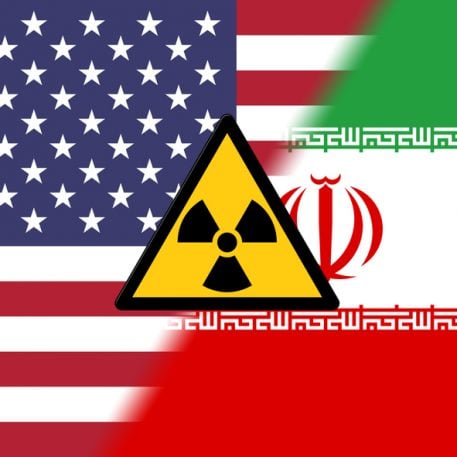
I laid out what a hypothetical bombing campaign of Iran would look like starting with the bombing of its nuclear enrichment sites… it’s not just one target there’s a whole target set a complex of targets.
— Robert Pape
- Understanding the geographical and technical layout is crucial for military strategy.
- The complexity of the target set poses significant challenges for military planners.
- A comprehensive approach is needed to address the multiple facets of Iran’s nuclear capabilities.
-
Our bombers would always be able to destroy the target the industrial facility that was enriching the uranium.
— Robert Pape
- The effectiveness of military technology is a key factor in targeting industrial facilities.
- Strategic considerations involve detailed planning and execution.
Limitations of bombing enriched uranium sites
- Bombing enriched uranium sites does not destroy the material; it only buries it under rubble.
-
They could bomb these sites where they’re making the enriched uranium but it wouldn’t destroy the enriched uranium it would just put it underneath a bunch of rubble.
— Robert Pape
- This highlights the ineffectiveness of bombing as a strategy to eliminate nuclear capabilities.
- The resilience of nuclear material poses a significant challenge to military strategies.
- Military actions may not achieve the intended strategic objectives.
- The limitations of bombing emphasize the need for alternative strategies.
- Understanding the resilience of nuclear material is crucial for military planning.
- The ineffectiveness of bombing highlights the need for comprehensive approaches.
Military actions and their unintended consequences
- Military actions have been strengthening Iran rather than weakening it.
-
We’re not weakening Iran in a sense where Iran will be weaker a year from now two years from now we have strengthened Iran.
— Robert Pape
- This challenges the effectiveness of military interventions.
- Political and social dynamics in Iran are crucial to understanding the impact of military actions.
- The unintended consequences of military actions can have long-term implications.
- Understanding the local context is essential for effective military strategy.
- The strengthening of Iran highlights the complexity of geopolitical conflicts.
- Military actions can have the opposite effect on the targeted nation.
Political reactions versus tactical military effects
- Political reactions often outweigh the tactical military effects of bombing campaigns.
-
The political reactions by the population often are overwhelming the tactical military effects.
— Robert Pape
- This emphasizes the importance of understanding local reactions.
- Historical examples provide insights into the political consequences of military interventions.
- The interplay between military action and political dynamics is critical.
- Understanding the political context is essential for effective military strategy.
- Military actions can have significant political repercussions.
- The political consequences of military actions can shape the outcome of conflicts.
The psychological aspects of warfare
- The inability to eliminate the last portion of an enemy’s capabilities can bolster their morale.
-
We couldn’t get that last 15 or 20% and that was what was energizing their morale so how does that apply to what’s going on now… Iran has figured out that we can’t beat them.
— Robert Pape
- This connects historical military strategy to contemporary challenges.
- The psychological aspects of warfare are critical to understanding military conflicts.
- Historical context provides insights into current military strategies.
- The morale of the enemy can be a significant factor in military conflicts.
- Understanding the psychological aspects of warfare is crucial for military planning.
- The resilience of the enemy highlights the complexity of military conflicts.
Iran’s military capabilities and US challenges
- Iran has developed a significant arsenal of drones and missiles that the US cannot fully eliminate.
-
We can’t get to that final 20% of drones and missiles… that Iran has and it’s probably bigger than that that we can’t knock out.
— Robert Pape
- This provides a critical assessment of the current military balance.
- The challenges faced by US forces in countering Iranian threats are significant.
- Understanding Iran’s military capabilities is crucial for effective military strategy.
- The limitations of US military technology pose challenges in detecting and destroying underground assets.
- The military balance between the US and Iran is complex and dynamic.
- Effective military strategy requires a comprehensive understanding of the enemy’s capabilities.
Decentralization in Iran’s military structure
- Iran’s military structure is decentralized, complicating ceasefire negotiations.
-
It suggests that there is actually not a centralized leadership structure in Iran and actually if there’s not a centralized leadership structure how does one negotiate a ceasefire if there’s lots of different factions doing lots of different things.
— Robert Pape
- This highlights a critical aspect of Iran’s military and political dynamics.
- The decentralized nature of Iran’s military affects international relations.
- Understanding the implications of Iran’s military organization is crucial for negotiations.
- Decentralization can lead to chaotic decision-making.
-
Decentralization means chaotic and they can’t actually make decisions that’s just not the case the more you move up the chain of command the more the leader can give pre-delegated orders.
— Robert Pape
- The challenges posed by decentralized command are significant for military strategy.
The escalation trap in conflict
- The escalation trap in conflict involves three stages, with a potential fourth stage emerging.
-
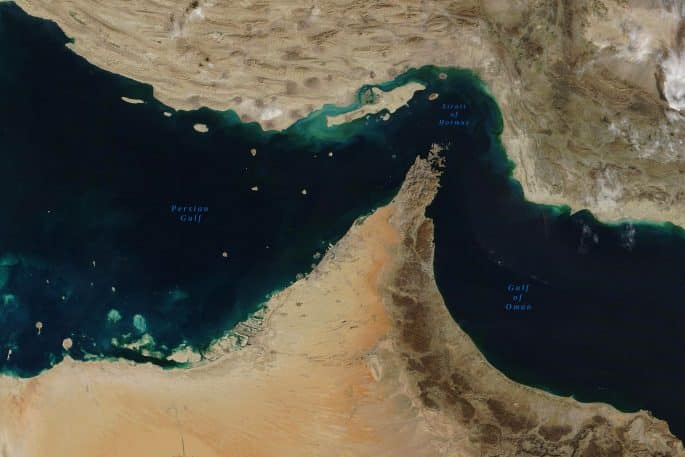
Stage one is America bombs does leadership change bombing we hit targets kill leaders but the regime actually evolves and is stronger than before stage two is that then stronger regime lashes back with horizontal escalation and takes the strait of Hormuz at least initially takes the strait of Hormuz and then stage three is that’s the ground option to start to take the strait of Hormuz back.
— Robert Pape
- Understanding the dynamics of military escalation is crucial for analyzing conflicts.
- The specific geopolitical context of the Strait of Hormuz is critical.
- The escalation trap framework provides a structured approach to understanding conflicts.
- Military conflict escalation can have significant geopolitical implications.
- The potential fourth stage of escalation highlights the complexity of military conflicts.
- Understanding the stages of escalation is essential for effective military strategy.
Disclosure: This article was edited by Editorial Team. For more information on how we create and review content, see our Editorial Policy.












 English (US) ·