
 1 month ago
42
1 month ago
42
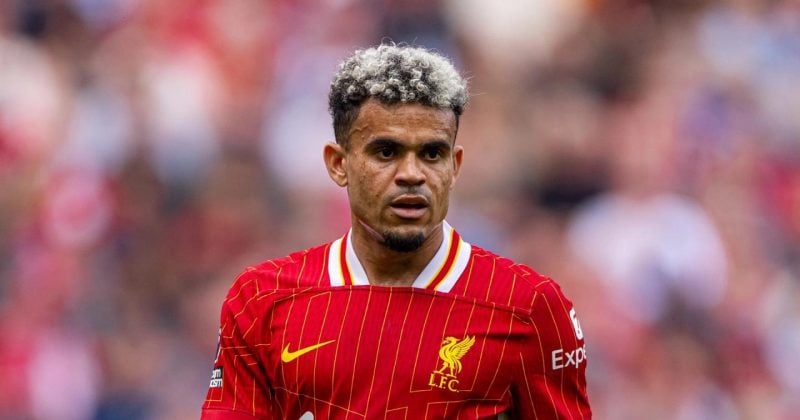
Two of the most decorated players in Brazilian football history are swapping boots for boardrooms. Ronaldo Nazário and Roberto Carlos have teamed up with Saudi prince Abdullah bin Saad bin Abdulaziz Al Saud and businessman Enrico Ambrogini to acquire a controlling stake in Inter de Limeira, a club currently languishing in Brazil’s third division.
The group’s ambition: take the club from Série C to the top flight of Brazilian football within roughly eight years. The estimated financial commitment sits at around R$454 million, which at current exchange rates lands somewhere north of $80 million.
Why this deal matters beyond the pitch
Inter de Limeira isn’t some random pickup for these investors. The club, founded in 1913 in São Paulo state, holds sentimental value for at least one member of the ownership group. Roberto Carlos launched his professional career there in 1992, long before his legendary left foot became synonymous with impossible free kicks at Real Madrid.
The acquisition follows the Sociedade Anônima do Futebol model, known as SAF. Think of it as Brazil’s framework for turning football clubs into proper corporate entities with outside investment, better governance, and actual accountability.
Prince Abdullah announced his entry into sports ownership on May 25, 2026, marking his first venture in the sector. Roberto Carlos followed up during a public interview on July 22, 2026, confirming the broader investor group and hinting at ambitions that extend beyond a single club.
Roberto Carlos suggested the group has a vision to reorganize Brazilian football at a regional level.
The SAF model and Brazil’s football gold rush
Brazil’s SAF legislation, passed in 2021, has fundamentally reshaped how investment flows into the country’s football ecosystem. Before the law, clubs operated under a model that made outside investment extremely difficult. Now, investor groups can acquire majority stakes, install professional management, and run clubs more like businesses than social clubs.
For Inter de Limeira specifically, the injection of R$454 million over multiple years would represent a transformative investment. Série C clubs in Brazil typically operate on modest budgets, and capital at this scale would fund infrastructure improvements, squad upgrades, youth development, and the kind of organizational professionalism that separates clubs stuck in lower divisions from those competing at the top.
The eight-year timeline for reaching the first division is ambitious but not unrealistic. Brazilian football’s promotion system requires climbing through Série C to Série B and then to Série A, with each step demanding consistent performance and investment.
Disclosure: This article was edited by Editorial Team. For more information on how we create and review content, see our Editorial Policy.










 English (US) ·