
 1 month ago
36
1 month ago
36
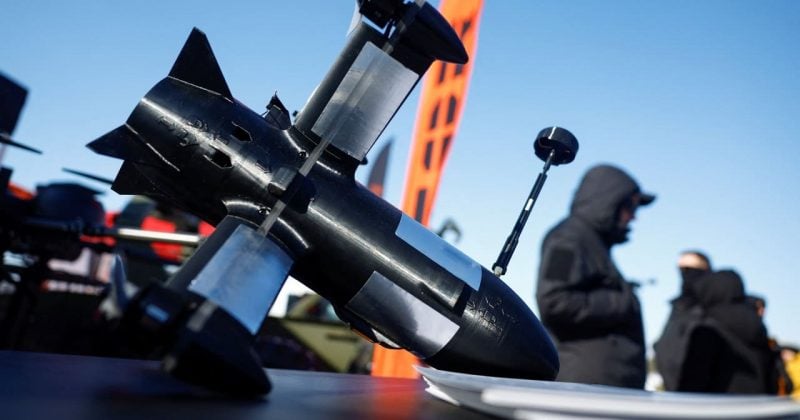
A Ukrainian drone struck a laboratory at the Zaporizhzhia Nuclear Power Plant on May 3, 2026, according to Russia’s state nuclear corporation Rosatom. The International Atomic Energy Agency confirmed the incident and requested access to inspect the damage.
No casualties were reported from the strike, which hit an external radiation control laboratory located outside the plant’s safety perimeter. But the attack comes just days after a separate drone incident on April 27, 2026, reportedly killed a driver employed in the plant’s transport department, according to Russian-installed management at the facility.
Rosatom has used increasingly urgent language to describe the situation, warning that repeated drone strikes could push the facility toward what it calls a “point of no return” for nuclear safety.
The state of Europe’s largest nuclear plant
Zaporizhzhia has been under Russian control since March 2022, and all six of its reactors are currently in cold shutdown. That means the plant isn’t generating any electricity. Before the conflict, it supplied roughly a fifth of Ukraine’s electricity. Its six VVER-1000 reactors, when operational, represented a significant chunk of the country’s energy infrastructure.
Cold shutdown still requires active cooling systems to function continuously. If those cooling systems fail, the consequences shift from geopolitical inconvenience to genuine radiological hazard.
The IAEA has maintained a presence at the plant and has documented multiple drone and shelling incidents at or near the facility between 2024 and 2025. Those incidents resulted in damage to critical equipment, according to the agency’s records.
Why a lab outside the perimeter still matters
Radiation control laboratories serve an essential function: they measure what’s happening in the surrounding environment and act as an early warning system for any radiological release. Damaging the instruments that detect problems doesn’t make the problems go away. It just makes them harder to see.
The IAEA’s request for inspection access signals that the agency wants to independently verify the extent of the damage rather than relying solely on Rosatom’s account.
What this means for energy markets and investors
Uranium markets are sensitive to anything that changes the calculus around nuclear power’s reliability and safety profile. Every incident at Zaporizhzhia feeds into the broader narrative about whether nuclear energy can be secured in conflict zones, and that narrative influences regulatory attitudes, investment flows, and long-term energy planning globally.
Countries like France, South Korea, and the UAE have doubled down on nuclear in recent years. Every headline about drones hitting a nuclear plant gives ammunition to skeptics who argue the technology carries unacceptable risks, particularly in an era of drone warfare where even non-state actors can project force across hundreds of kilometers.
Disclosure: This article was edited by Editorial Team. For more information on how we create and review content, see our Editorial Policy.















 English (US) ·