
 1 month ago
31
1 month ago
31
Iran decided to set up a toll booth in one of the world’s most important shipping lanes. The US decided that was not going to fly.
US Treasury Secretary Scott Bessent warned Oman that Washington would target any actors involved in facilitating tolls in the Strait of Hormuz, the narrow waterway through which roughly 20% of the world’s oil supply passes daily. The warning came alongside new sanctions against Iran’s Persian Gulf Strait Authority (PGSA), an entity linked to the Islamic Revolutionary Guard Corps (IRGC).
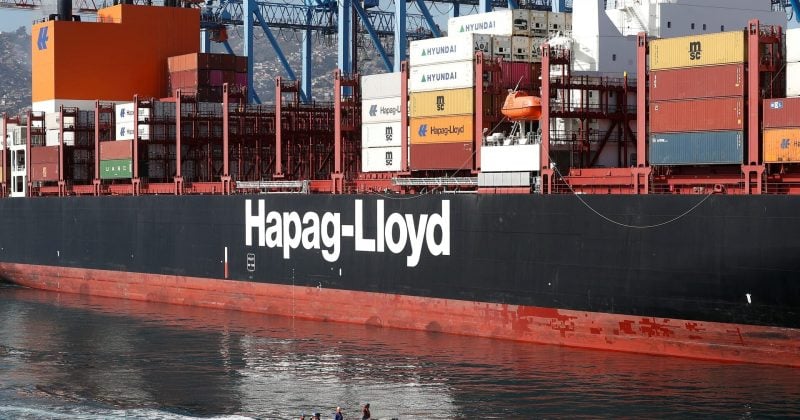
Iran has reportedly been charging vessels up to $2 million per transit. Bessent characterized the toll scheme as an effort to extort global maritime trade. The Treasury made clear that the enforcement net extends to every payment method, including digital assets and stablecoins.
Crypto in the crosshairs
US warnings about sanctions risks for stablecoin and cryptocurrency payments surfaced as early as the first days of May. The concern is straightforward: Iran could use crypto rails to collect toll payments while sidestepping traditional banking channels that are already subject to sanctions enforcement.
Iran has collected less than $1.3 million in total tolls as of early May, a figure that is almost comically small compared to its historical oil revenues. For context, Iran’s oil exports have historically generated tens of billions of dollars annually.
If Iran successfully establishes a crypto-based payment system for Strait tolls, it would represent one of the most visible state-level uses of digital assets to circumvent sanctions.
The Oman connection
Discussions between Oman and Iran regarding a formalized joint toll and payment system were reported as recently as May 21, just days before Sen. Tom Cotton sent a letter urging sanctions against the PGSA and any facilitators, including Oman.
Oman borders the Strait of Hormuz on the opposite side from Iran and has maintained working relationships with Tehran even as other Gulf states have kept their distance. The Treasury sanctioned the PGSA under counterterrorism authorities on May 28, which means anyone touching the entity’s finances, in any currency, faces potential criminal liability under US law.
What this means for crypto investors
The Treasury’s explicit inclusion of digital assets in its sanctions warnings signals that enforcement agencies are treating crypto as a potential evasion tool in geopolitical disputes. Tether and other major stablecoin issuers have previously cooperated with law enforcement to freeze wallets associated with sanctioned entities.
If the Treasury begins designating specific wallet addresses tied to PGSA toll collections, platforms will need to implement screening measures or risk secondary sanctions exposure.
Investors should watch for any signs that Oman formally participates in the payment system, or that crypto volumes tied to Iranian entities increase meaningfully, as either development would likely accelerate Treasury enforcement actions.
Disclosure: This article was edited by Editorial Team. For more information on how we create and review content, see our Editorial Policy.












 English (US) ·