
 1 month ago
22
1 month ago
22
EU Trade Commissioner Maroš Šefčovič is drawing a line in the sand. The deal between Brussels and Washington needs to land at a 15% all-inclusive tariff ceiling, he said, matching the parameters laid out in the Turnberry joint statement from 2025.
That might sound like routine diplomatic box-checking. It’s not. The statement comes as President Donald Trump has floated raising tariffs on EU products to 25% on cars alone, citing what he sees as foot-dragging on implementation. Šefčovič’s remarks are a quiet but firm reminder that the EU considers the Turnberry framework settled law, not a suggestion.
What the Turnberry agreement actually says
Here’s the backstory. On August 21, 2025, trade officials from both sides met at Trump’s Turnberry golf resort in Scotland and hammered out a joint statement. The core commitment: the US would cap tariffs on most EU exports at 15%, while the EU would lower duties on a range of American goods.
By May 20, 2026, the EU Council and European Parliament reached a political agreement on how to actually implement these tariff regulations. That deal included safeguard mechanisms, essentially escape hatches if one side feels the other isn’t playing fair, along with a sunset clause that would force both parties to revisit the terms after a set period.
Why Trump’s tariff threats complicate things
The problem is that Washington keeps hinting it might not stick to the deal. Trump has threatened to push tariffs on EU autos, steel, and aluminium well beyond the 15% ceiling. His argument is that the EU hasn’t moved fast enough on implementation, which in his view justifies escalation.
US officials have also floated the idea of new tariffs related to forced labor concerns and excess industrial capacity. American negotiators have suggested these additional levies could still technically comply with the 15% ceiling, provided the EU upholds its end of the bargain.
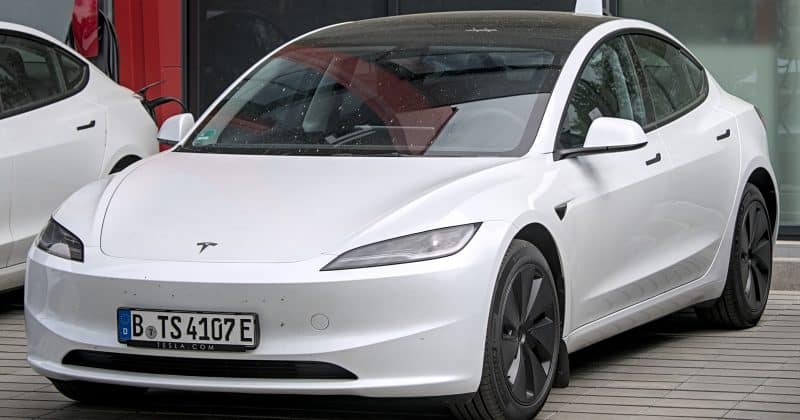
The distinction matters enormously for European manufacturers. A 15% tariff on a German sedan is painful but manageable. A 25% tariff is a different animal entirely, one that could reshape pricing strategies, supply chains, and investment decisions across the continent’s automotive sector.
What this means for markets and investors
The automotive sector is the most exposed. European carmakers have spent decades building export models predicated on relatively stable trade relationships with the US. A jump from 15% to 25% tariffs would force some combination of price increases for American consumers, margin compression for manufacturers, or accelerated plans to build production capacity inside the US.
The safeguard mechanisms built into the May 2026 agreement exist precisely for scenarios like this. If the US introduces new tariff categories that breach the spirit of the Turnberry ceiling while technically claiming compliance, those mechanisms become the EU’s first line of defense before full-blown retaliation.
The sunset clause in the agreement adds another layer of uncertainty. Both sides will eventually need to renegotiate terms, and whoever holds more leverage at that point will shape the next chapter.
Disclosure: This article was edited by Editorial Team. For more information on how we create and review content, see our Editorial Policy.













 English (US) ·