
 1 month ago
36
1 month ago
36
Senegal dismissed national football coach Pape Bouna Thiaw on July 7, 2026, just months after he led the team to an Africa Cup of Nations title. The reason: a disappointing exit from the 2026 FIFA World Cup.
Back in February 2026, Thiaw was riding high. His squad captured the AFCON title, earning the coach and team members ranks in Senegal’s National Order of the Lion, one of the country’s most prestigious honors.
By March, Sports Minister Khady Diène Gaye publicly declared that Thiaw “deserves a salary boost,” emphasizing the importance of continuity with a winning squad. He got the raise.
The dismissal reportedly came alongside a five-match suspension from CAF-sanctioned competitions. Going from national hero to unemployed in roughly five months is a trajectory that would make even the most volatile altcoin blush.
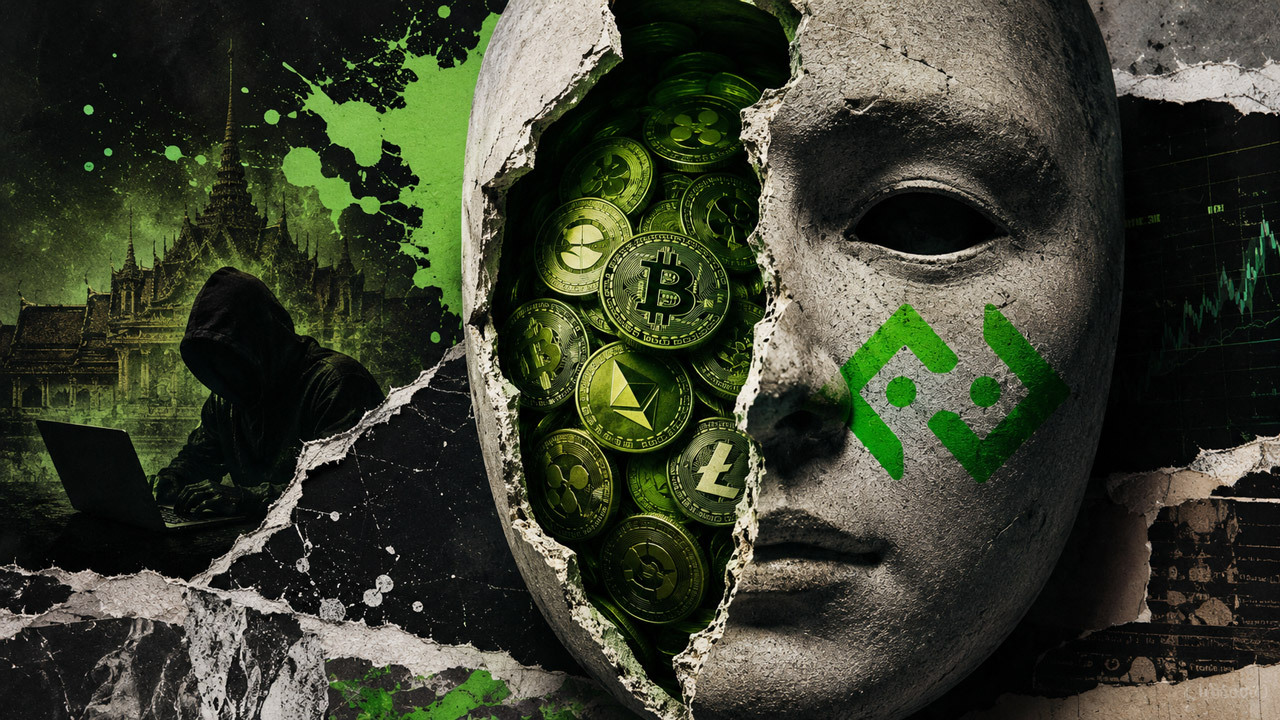
Fan tokens, the blockchain-based assets that give holders voting rights and engagement perks with their favorite teams, have turned national football programs into something resembling publicly traded entities. When a coach gets fired, when a team underperforms, when governance decisions look reactive rather than strategic, those dynamics ripple through tokenized ecosystems.
Senegal doesn’t currently have a widely traded fan token on major platforms like Socios or Chiliz. But the African football market has been one of the fastest-growing frontiers for fan token adoption. Nigeria, Cameroon, and several club-level teams across the continent have explored or launched token programs in recent years.
Chiliz, the blockchain network powering most major fan tokens, has built partnerships with football clubs across Europe, South America, and increasingly Africa.
For traders holding fan tokens tied to national teams or clubs in volatile competitive environments, the Thiaw firing is a reminder that leadership risk is real, sudden, and often disconnected from underlying performance. An AFCON title in February meant nothing by July.
Disclosure: This article was edited by Editorial Team. For more information on how we create and review content, see our Editorial Policy.







 English (US) ·